Sixteen retired military personnel are set to commence their roles as full-time wardens across eight MARA Junior Science Colleges starting Wednesday, July 1, representing a significant expansion of an initiative designed to fortify campus discipline and combat bullying. The recruitment drive, coordinated by MARA's subsidiary Glokal Link Sdn Bhd in partnership with the Veterans Affairs Department and other agencies, follows an encouraging pilot programme that deployed military-trained wardens at MRSM Besut and MRSM Balik Pulau since October last year.
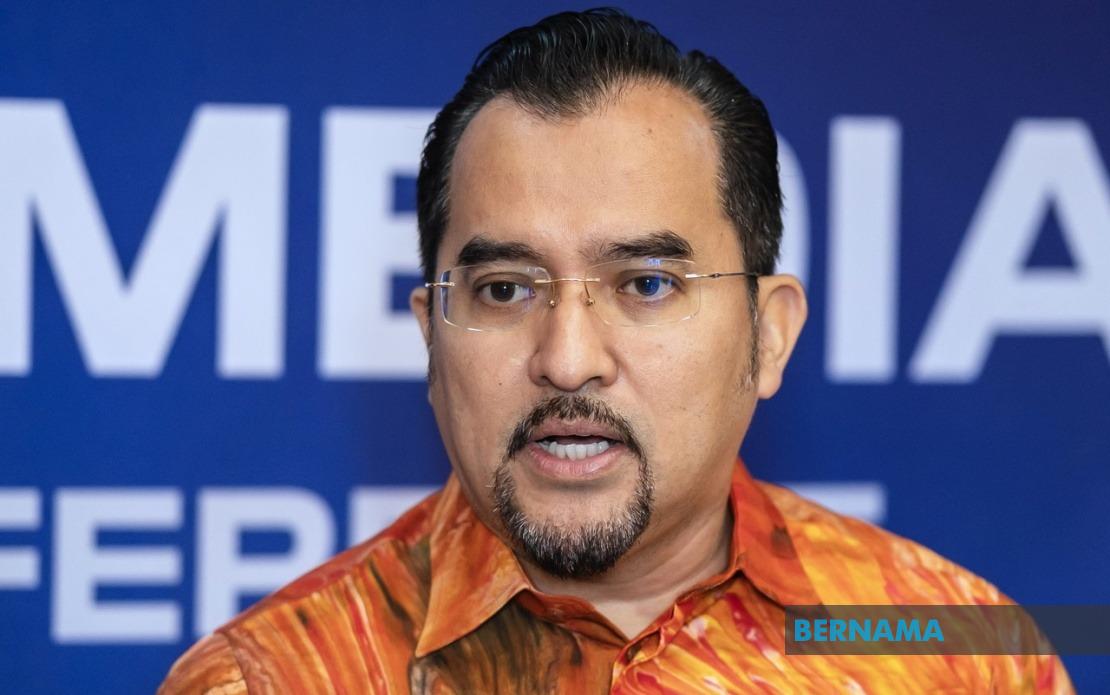
MARN Chairman Datuk Dr Asyraf Wajdi Dusuki framed the programme as a strategic response to ongoing concerns about student welfare and institutional safety. By embedding seasoned military personnel in residential college environments, MARA aims to leverage their discipline-focused background and pastoral experience to create more structured, secure living conditions for the predominantly adolescent student population housed at these institutions. The warden appointments underscore an institutional recognition that residential colleges require supervisory personnel with specialised training in duty of care, crisis management, and youth guidance.
The current phase will eventually see 32 wardens distributed across the eight selected colleges, with each institution receiving two male and two female supervisors. The male contingent of 16 wardens begins their assignments on July 1, while the female recruitment process is proceeding in parallel. MARA has received 162 applications from female candidates, with an online assessment completed on June 25 followed by physical interviews scheduled for July 2. This staggered approach to gender-balanced recruitment reflects efforts to ensure comprehensive residential coverage and diverse mentor relationships for students across both genders.
The screening process employed by MARA and its partners is notably rigorous, incorporating multiple assessment layers designed to identify candidates with both operational competence and exemplary personal integrity. Recruitment officials shortlisted 147 candidates from a larger applicant pool, conducting physical interviews at the MARA Higher Skills Institute in Kepong on June 15 and 16. Beyond conventional face-to-face evaluation, candidates undergo psychometric assessments including the MyNext OCEAN personality inventory and RIASEC aptitude testing, military psychological evaluations, mental health screening, body mass index assessments, and the bleep fitness test. This comprehensive vetting reflects MARA's determination to appoint only those genuinely qualified for what remains a position of significant trust and responsibility.
The selection criteria explicitly prioritise veteran status verification and behavioural suitability. Candidates must demonstrate clean service records, honourable discharge from the Malaysian Armed Forces, absence of misconduct or serious disciplinary offences, and no legal violations affecting veteran eligibility. Prior to appointment finalisation, MARA mandates criminal record verification through the Royal Malaysia Police and cross-reference against the child sexual offenders registry. This layered verification system indicates institutional awareness of safeguarding obligations and reputational risks associated with residential college staffing.
Psychological evaluation represents a particularly significant component of the selection framework. Final assessments involve Malaysian Armed Forces psychologists and counsellors conducting specialised screening focused on child protection awareness, assessment of sexual misconduct risks, impulse control evaluation, understanding of appropriate warden-student boundaries, and overall psychological suitability for hostel placement. These evaluations acknowledge the complex, high-trust nature of residential college supervision and the particular vulnerabilities inherent in adolescent hostel environments. The psychological screening methodology suggests institutional learning from past incidents and a commitment to preventative safeguarding.
Datuk Dr Asyraf Wajdi emphasised that appointment offers remain contingent on completion of all critical screening mechanisms. This conditional approach protects both the institutions and prospective appointees, ensuring transparency and demonstrating institutional commitment to employment integrity. The chairman explicitly stated that only candidates demonstrating genuine qualifications, clean records, demonstrated integrity, and suitability for student care will receive appointment letters, signalling zero tolerance for shortcuts in the vetting process.
The programme expansion trajectory indicates MARA's confidence in the pilot model's effectiveness and commitment to systematic rollout. Following the current deployment at eight institutions, a third phase is scheduled to commence on January 1, 2027, with the ultimate objective of extending the wardens initiative across all 58 MRSMs within MARA's portfolio. This phased approach allows for iterative refinement, operational lessons learned from earlier deployments, and incremental resource allocation across the broader MRSM network. The expansion timeline suggests MARA anticipates positive outcomes from the initial and second phases.
For Malaysian parents and education stakeholders, the initiative represents a substantive policy response to longstanding concerns about residential college safety and the adequacy of student supervision. MRSM institutions serve as formative environments for high-achieving secondary students, many boarding far from family support networks. The introduction of military-trained, psychologically vetted wardens with explicit child protection training addresses documented anxieties about student welfare, peer bullying, and the safeguarding competence of residential staff. The rigorous selection process aims to rebuild public confidence in institutional duty of care.
The appointment of former armed forces personnel also reflects a deliberate policy to provide meaningful post-service employment for military veterans, supporting their reintegration into civilian professional roles. By channelling retired military personnel into educational settings, MARA simultaneously addresses employment pathways for veterans and institutional staffing requirements, creating complementary policy benefits. The programme acknowledges both the skill transferability of military training to residential supervision and the value of structured career transitions for former service members.
Regional education systems across Southeast Asia increasingly face comparable challenges in residential college management, campus safety, and effective student supervision. MARA's systematic approach to vetting and appointing specialist residential staff may offer instructive models for peer institutions in the region grappling with similar safeguarding and discipline concerns. The emphasis on psychological evaluation and child protection training reflects contemporary best practices in duty of care and risk mitigation across residential education settings globally.
Looking forward, the success of this initiative will likely be evaluated through measures including incident reporting rates, student wellbeing surveys, parental satisfaction assessments, and comparative institutional safety metrics. The comprehensive nature of the recruitment process suggests MARA has invested significant institutional credibility in ensuring quality appointments. The staged expansion approach provides opportunities for systematic evaluation of outcomes and adjustment of protocols before broader rollout across the full MRSM network, positioning the initiative for either successful consolidation or evidence-based refinement.

