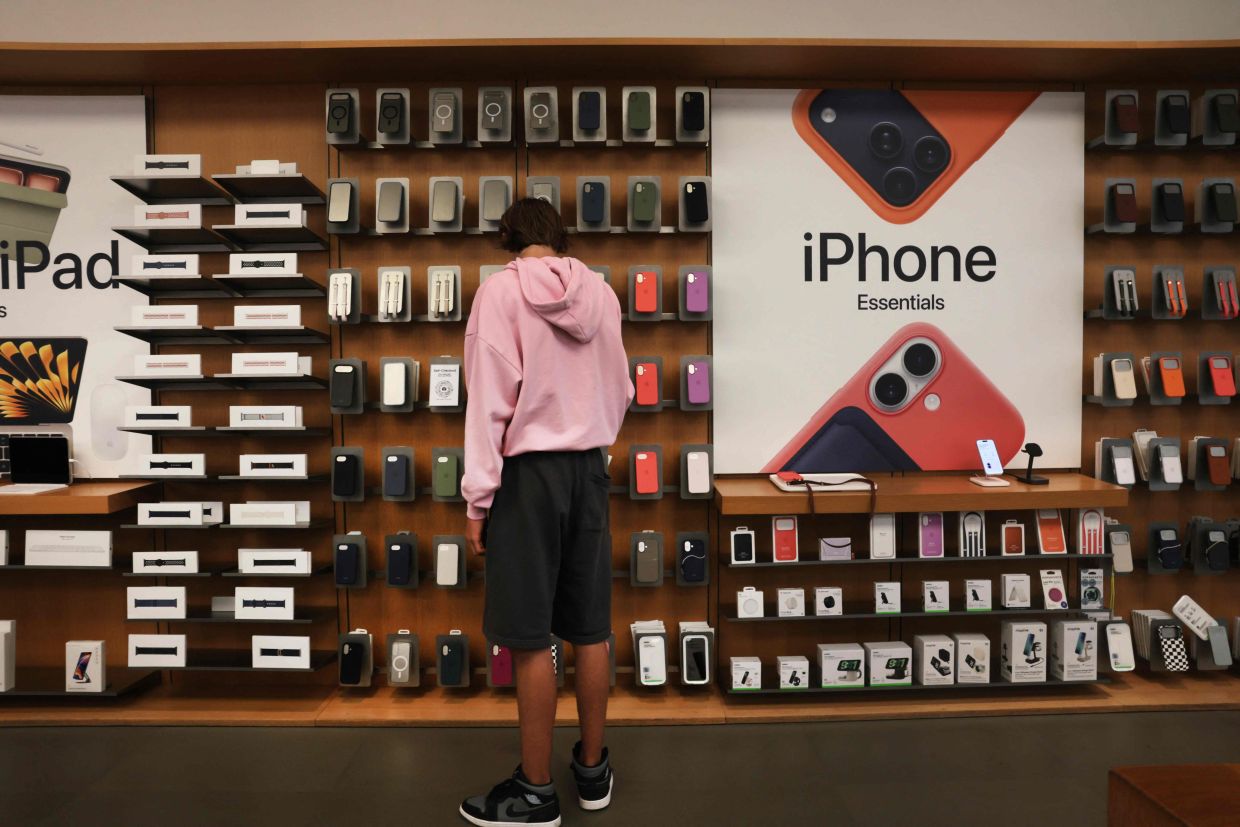
The escalating courtroom clash between technology giants Apple and OpenAI has entered a new phase of accusation and counter-accusation, revealing deep tensions beneath a partnership that still sees ChatGPT integrated into iPhones and other Apple devices. The iPhone maker filed suit in San Jose last month, alleging that OpenAI orchestrated a deliberate campaign to poach former Apple staff and extract sensitive design information to jumpstart its own consumer hardware venture. The dispute highlights growing friction in Silicon Valley as artificial intelligence companies race to build physical devices while raiding the talent pools of established hardware makers.
Apple's legal filing on August 3 characterised OpenAI's conduct as deliberate and repeated theft, emphasising that the AI company should not benefit from appropriating years of iPhone engineering secrets. The Cupertino firm argues it has invested substantial resources developing consumer hardware expertise and that permitting OpenAI to leverage this accumulated knowledge would provide an unfair competitive advantage. This framing underscores Apple's concern that OpenAI's hardware ambitions represent a direct threat, particularly as the AI lab pursues consumer devices that could eventually compete in markets where Apple dominates.
OpenAI's legal team responded aggressively on August 5, filing a motion to dismiss the case entirely and prevent Apple from pursuing similar claims in future litigation. The AI company's lawyers dismissed Apple's allegations as baseless and pretextual, arguing that the lawsuit reflects Apple's internal struggles rather than genuine misconduct by OpenAI. They characterised the complaint as fundamentally flawed and suggested that Apple is weaponising the court system to mask its own shortcomings in retaining talent and competing in artificial intelligence integration.
Central to OpenAI's defence is an appeal to California's permissive employee mobility laws, which allow workers to move freely between employers and take their skills to competitors. OpenAI's legal team argues that California policy actively encourages job-hopping precisely because it fuels innovation and entrepreneurship, crediting this flexibility with transforming the state into a global technology powerhouse. This argument places the dispute within a broader philosophical debate about the balance between protecting corporate secrets and enabling the talent circulation that drives technological progress.
The numbers paint a stark picture of talent movement between the two companies. Apple's initial complaint identified more than 400 former Apple employees currently working at OpenAI, suggesting systematic and substantial recruitment from the iPhone maker's workforce. This concentration of talent transfer raises legitimate questions about whether individual career moves constitute a coordinated campaign, or whether OpenAI is simply winning in the competitive market for experienced hardware and design professionals.
A critical flashpoint involves Tang Tan, whom Apple identifies as a former vice president of design at the company and now head of hardware at OpenAI. Apple alleges that Tan leveraged his knowledge of unreleased Apple products when interviewing job candidates, requesting they bring prototypes and design files to discussion sessions framed as "show and tell" exercises. The implication is that these interactive sessions allowed OpenAI to gather competitive intelligence about Apple's development pipeline. OpenAI counters that Tan explicitly instructed employees and candidates to avoid disclosing former employers' confidential information and that requesting candidates bring examples of their work reflects standard industry recruitment practice.
Details about OpenAI's forthcoming consumer device have intensified Apple's concerns about the stakes at hand. Reporting from Bloomberg and TechCrunch describes a screenless smart speaker designed in collaboration with LoveFrom, the design studio founded by Jony Ive, Apple's legendary former chief design officer. The device reportedly features a circular, hockey-puck-sized form factor, a US$300 to US$400 price range, and a planned 2027 launch. While OpenAI has not officially confirmed these specifications, Apple's lawyers cited the leaked details as evidence that development is advancing rapidly and that stolen trade secrets may already be embedded in the product.
Apple's argument for legal urgency rests on this timeline pressure. The company contends that each passing day allows OpenAI to integrate Apple's proprietary knowledge deeper into hardware development work, making eventual recovery of trade secrets increasingly difficult. This reasoning persuaded Apple's legal team to emphasise the need for immediate injunctive relief, arguing that damages awarded after the fact cannot undo the competitive harm already inflicted.
OpenAI's counter-argument emphasises that the company is developing fundamentally new and different products rather than copying Apple's existing lines. The organisation denies having use or need for Apple's trade secrets and points out that Apple has failed to identify specific products—such as iPhones or iPads—that were allegedly copied or misappropriated. This defence suggests that Apple's complaint lacks sufficient specificity about actual competitive harm.
The legal team defending OpenAI also turned the tables on Apple regarding data security practices. OpenAI alleges that Apple itself failed to adequately protect its proprietary information by encouraging employees to use personal iCloud accounts for work, thereby intermingling confidential business data with personal files. Additionally, OpenAI claims Apple neglected to manage access controls properly when departing employees left the company, creating opportunities for information leakage regardless of any coordinated recruitment strategy. These allegations suggest that some responsibility for the alleged secrets transfer lies with Apple's own security practices.
Federal Judge Edward Davila will hear arguments on both requests at a hearing scheduled for October 1, with the judge facing a genuine legal puzzle about balancing intellectual property protection against California's pro-mobility employment environment. The outcome could reshape how technology companies can legally compete for talent and set boundaries on what information departing employees can carry to new employers.
The timing of this dispute carries particular significance for OpenAI's trajectory. The AI laboratory is pursuing a potential initial public offering while commanding a reported valuation of US$852 billion, making it one of the most valuable private companies globally. A legal defeat or prolonged litigation could complicate its path to public markets and discourage institutional investors concerned about IP vulnerabilities. Simultaneously, OpenAI faces intense competitive pressure from Anthropic, a San Francisco-based rival AI laboratory founded by former OpenAI employees, adding another layer to the industry's talent wars.
Paradoxically, Apple and OpenAI maintain an active commercial partnership despite their legal antagonism, with ChatGPT integration continuing across Apple's device ecosystem since 2024. This unusual arrangement—simultaneous collaboration and litigation—reflects the complex interdependencies characterising the modern technology industry, where companies depend on each other for services while competing fiercely in emerging markets. The resolution of this case will likely influence how such partnerships navigate intellectual property conflicts going forward.

