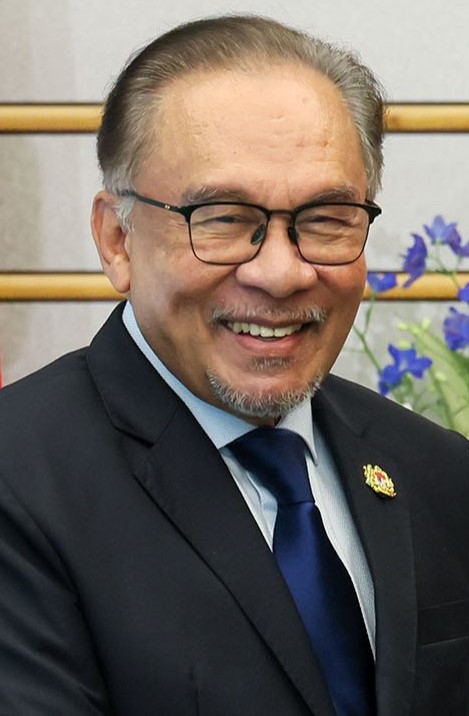
Prime Minister Datuk Seri Anwar Ibrahim is set to visit Ashgabat on June 18 to 19, marking a significant diplomatic engagement aimed at deepening Malaysia's economic and strategic relationship with Turkmenistan. The visit represents an opportunity to expand bilateral cooperation across multiple sectors, signalling Malaysia's intent to diversify its international partnerships and access new markets in Central Asia.
Turkmenistan's position as one of the world's leading natural gas producers makes it an attractive partner for Malaysia's energy sector. The Central Asian nation holds substantial hydrocarbon reserves and maintains significant export capacity, particularly through infrastructure connecting to international markets. For Malaysia, establishing stronger ties with Turkmenistan could open pathways for long-term energy procurement agreements and joint ventures in resource exploration and development. This aligns with Malaysia's broader strategy of securing stable energy supplies while building relationships with resource-rich nations beyond traditional Middle Eastern partners.
The oil and gas sector represents the most immediate focus of the bilateral discussions. Both nations have complementary interests: Turkmenistan seeks reliable partners for technology transfer and investment in downstream operations, while Malaysia possesses expertise in petrochemical processing and liquefied natural gas management. Potential collaboration could extend to joint research initiatives and knowledge-sharing programmes that benefit both economies. For Malaysian companies, access to Turkmenistan's energy sector presents commercial opportunities in project management, equipment supply, and technical services.
Beyond energy, the transportation and logistics dimension of the visit deserves particular attention. Turkmenistan's geographic position as a bridge between Europe and Asia makes it a crucial node in regional supply chains. Malaysia, as a major player in Southeast Asian trade networks, stands to benefit from enhanced connectivity with Central Asian markets. Developing robust transportation corridors and logistics partnerships could reduce transit times for Malaysian exports reaching European and Middle Eastern markets whilst simultaneously providing Turkmenistan with reliable access to Asian supply chains.
Agriculture represents another promising avenue for cooperation. Turkmenistan's fertile regions and agricultural capacity could complement Malaysia's food security objectives, particularly given regional competition for agricultural products and the impact of climate change on traditional suppliers. Malaysian investors and agricultural enterprises might explore opportunities in crop production, livestock farming, and food processing within Turkmenistan, whilst Turkmen producers could access Malaysian market expertise and distribution networks across Southeast Asia.
The timing of this visit reflects Malaysia's proactive approach to diversifying diplomatic engagement and economic partnerships. As global trade patterns shift and regional blocs become increasingly important, establishing strong relationships with Central Asian nations provides Malaysia with additional leverage in international negotiations and alternative markets for Malaysian products and services. This is particularly relevant as Malaysia navigates evolving geopolitical dynamics in Asia and seeks to strengthen its position as a regional economic hub.
From Turkmenistan's perspective, the visit signals an opportunity to engage with a respected Southeast Asian voice and tap into Malaysia's established networks across ASEAN and beyond. The engagement could facilitate Turkmenistan's efforts to diversify its international relationships beyond traditional energy partnerships with Russia and China, presenting mutual benefits for both nations seeking balanced foreign policies.
The breadth of sectors being explored during the visit demonstrates a holistic approach to bilateral relations. Rather than focusing narrowly on individual industries, both nations appear committed to building a comprehensive partnership framework that can evolve over time. This structural approach suggests potential for establishing joint commissions, business forums, and cultural exchange programmes that could sustain momentum beyond the visit itself.
For the broader Southeast Asian context, Malaysia's engagement with Central Asia reinforces the region's importance to ASEAN's strategic vision. As Southeast Asian nations increasingly look northward and westward to diversify trade and investment flows, bilateral visits such as this contribute to a regional reorientation away from traditional dependencies. Malaysia's proactive diplomacy serves as a model for other ASEAN members considering similar partnerships with Central Asian countries.
The visit also reflects Malaysia's commitment to the concept of South-South cooperation, emphasising partnerships among developing nations to achieve mutual development objectives. Rather than remaining within established power structures, Malaysia's approach demonstrates how middle-income nations can carve out meaningful international roles by identifying complementary economic interests with partners across different regions.
Success in this visit would likely pave the way for deeper institutional relationships. Potential outcomes could include ministerial-level exchanges, joint venture agreements in energy and agriculture, and enhanced people-to-people contact through educational and cultural programmes. Such developments would transform what might appear as a routine diplomatic visit into a foundation for sustained economic and political engagement.
Looking ahead, the Malaysia-Turkmenistan relationship could serve as a template for how Southeast Asian nations build partnerships with less-frequently engaged regions. By focusing on practical economic benefits whilst maintaining diplomatic respect, both nations demonstrate that meaningful international relationships need not be confined to established blocs or geographic proximity. The visit thus carries significance extending beyond bilateral relations, offering insights into how emerging economies navigate an increasingly multipolar world.