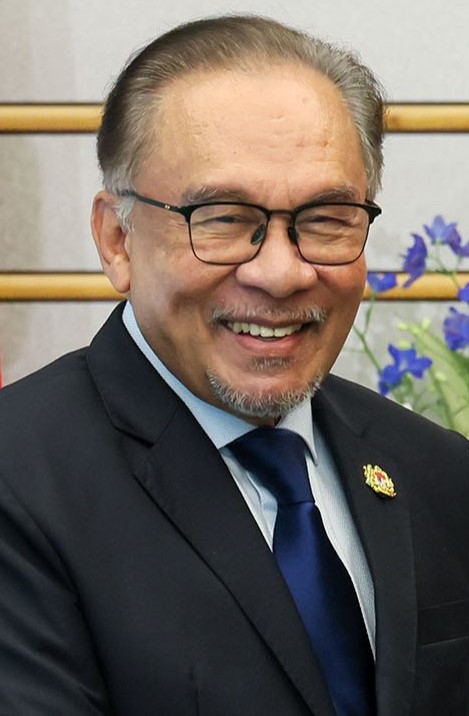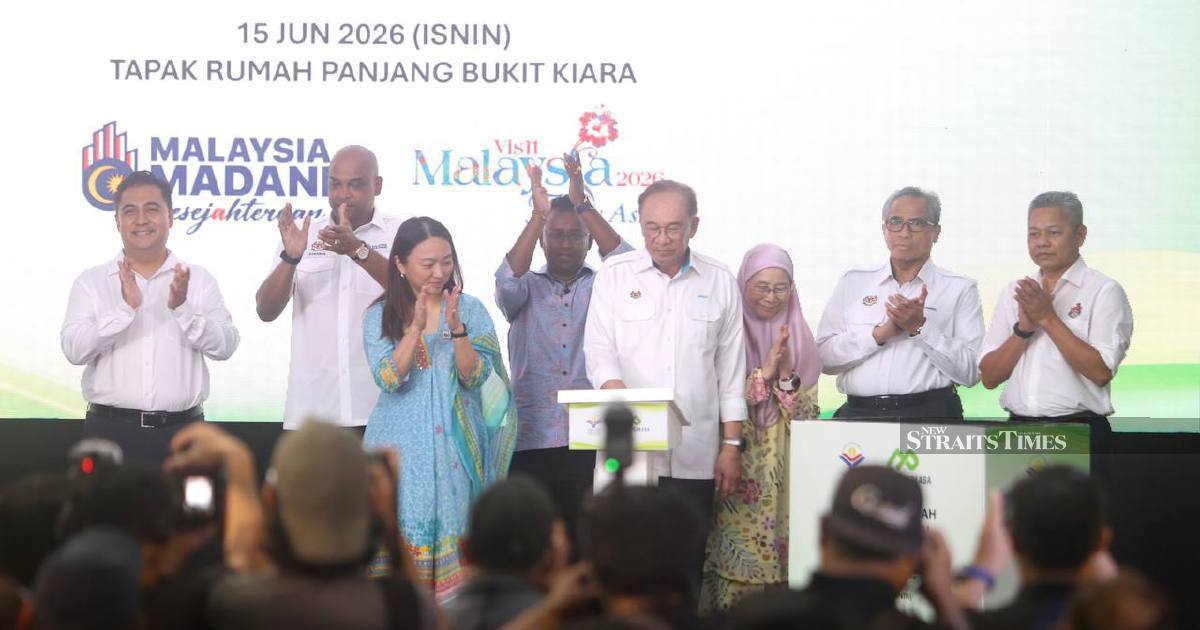
Prime Minister Datuk Seri Anwar Ibrahim has cautioned Malaysians to resist political messaging that exploits communal differences and deepens societal rifts. Speaking to citizens across the nation, the premier stressed the importance of unity and warned against allowing populist figures to instrumentalize race-based grievances for electoral advantage or political gain. His intervention reflects growing concerns that Malaysia's political landscape continues to be vulnerable to divisive rhetoric that threatens social cohesion.
The Prime Minister's remarks underscore a fundamental reality in Malaysian politics: racial and religious tensions remain potent tools for mobilizing voters, particularly during election cycles. Yet Anwar's message carries an implicit rebuke of those who resort to such tactics, positioning himself as a guardian of national unity in contrast to politicians who exploit communal anxieties. This framing is significant because it places responsibility for Malaysia's fractious political environment squarely on those who deliberately stoke tensions rather than on inherent community divisions themselves.
Anwar emphasized that the consequences of politicizing racial issues extend far beyond the sphere of electoral competition. When politicians weaponize communal identity to generate support, the ripple effects impact ordinary Malaysians across all ethnic groups. Small businesses in mixed communities may suffer as social trust erodes. Neighbourhoods that once functioned harmoniously can become fractured along new lines of suspicion. Families with connections across different communities face social pressure to conform to narrower tribal loyalties. Children grow up in an environment where difference is framed as threat rather than as a normal aspect of Malaysian reality.
The timing of Anwar's intervention is noteworthy given Malaysia's political volatility over the past decade. The nation has experienced multiple rounds of political upheaval, shifting coalition arrangements, and intense competition for power between major blocs. Throughout this period, race and religion have frequently featured in campaign messaging and political discourse. Politicians across the spectrum have invoked communal concerns to rally their bases, with some pushing boundaries regarding acceptable rhetoric. Anwar's public warning suggests frustration with a pattern he views as corrosive to the nation's foundational commitment to unity in diversity.
For Malaysia's multicommunal society to function effectively, political actors must exercise restraint in how they deploy identity politics. The Malaysian Federal Constitution enshrines certain protections and recognizes the special position of Bumiputeras, yet these constitutional frameworks are designed to coexist with a commitment to equal citizenship and national integration. When politicians deliberately amplify grievances or manufacture divisions, they undermine the delicate balance that these constitutional provisions were intended to maintain. Anwar's message serves as a reminder that political freedom and electoral competition do not require the abandonment of communal responsibility.
The Prime Minister's warning also carries implications for how Malaysia navigates an increasingly competitive Southeast Asian region. In a context where China and other external powers seek influence across the region, internal divisions weaken Malaysia's position and its ability to project strength. Nations that fracture along communal lines become more vulnerable to external manipulation and lose capacity for unified national action. Conversely, societies that manage diversity successfully and maintain social cohesion become more resilient and more capable of advancing their interests in regional affairs.
Anwar's position as Prime Minister gives his words particular weight, yet his appeal to resist divisive messaging also faces a credibility test. His own coalition maintains support from various communities and represents particular political interests. For his message to gain traction, it must be accompanied by concrete actions that demonstrate commitment to inclusive governance and fair treatment of all Malaysians regardless of background. Actions that are seen as favoring particular communities or departing from principles of equal citizenship would undermine his calls for unity.
The challenge of managing race-based politics in Malaysia reflects a broader tension faced by many diverse democracies. Electoral competition naturally incentivizes politicians to mobilize their support bases, and in Malaysia's context, communal identity remains a powerful organizing principle. Yet unrestrained exploitation of these divisions creates an escalating cycle where each politician feels compelled to match others' rhetoric to remain competitive. Breaking this cycle requires leadership that explicitly rejects the logic of divisive mobilization and offers alternative pathways to political success.
Civil society organizations, community leaders, and citizens themselves have roles to play in supporting Anwar's message. When voters consistently reject politicians who traffic in racial and religious division, the political incentives shift. When community leaders model cross-communal cooperation and publicly rebuke divisive rhetoric from their own communities, social norms change. When media outlets refuse to amplify inflammatory statements and instead emphasize voices calling for unity, the information environment shifts. Malaysia's political future depends partly on whether these institutional and social forces can align to marginalize divisive rhetoric and reward leaders who chart a more inclusive path forward.