Prime Minister Datuk Seri Anwar Ibrahim will formally present Pakatan Harapan's candidates for the Negeri Sembilan state election at a ceremony in Dataran Melang, Kuala Pilah, on Tuesday, July 14. The coalition has completed its candidate selection process and finalised the list ahead of nomination day on July 18, setting the stage for what will be a closely watched assembly election in the central Malaysian state.
Negeri Sembilan PKR chairman Datuk Seri Aminuddin Harun confirmed that the candidate announcement has been scheduled, with Anwar—in his capacity as PKR president and Prime Minister—presiding over the unveiling. The timing reflects the coalition's coordination ahead of the Electoral Commission's election schedule, which designates August 1 as polling day, with early voting scheduled for July 28.
The composition of PH's slate mirrors the internal seat allocation agreed upon earlier in June. PKR will field candidates across 16 of the 36 contested state seats, positioning the party as the coalition's dominant force in the state. DAP will contest 11 seats, leveraging its urban and semi-urban support base, while Amanah completes the partnership by fielding nine candidates across the remaining constituencies. This distribution reflects both the parties' relative organisational strength and their strategic positioning in different demographic zones throughout Negeri Sembilan.
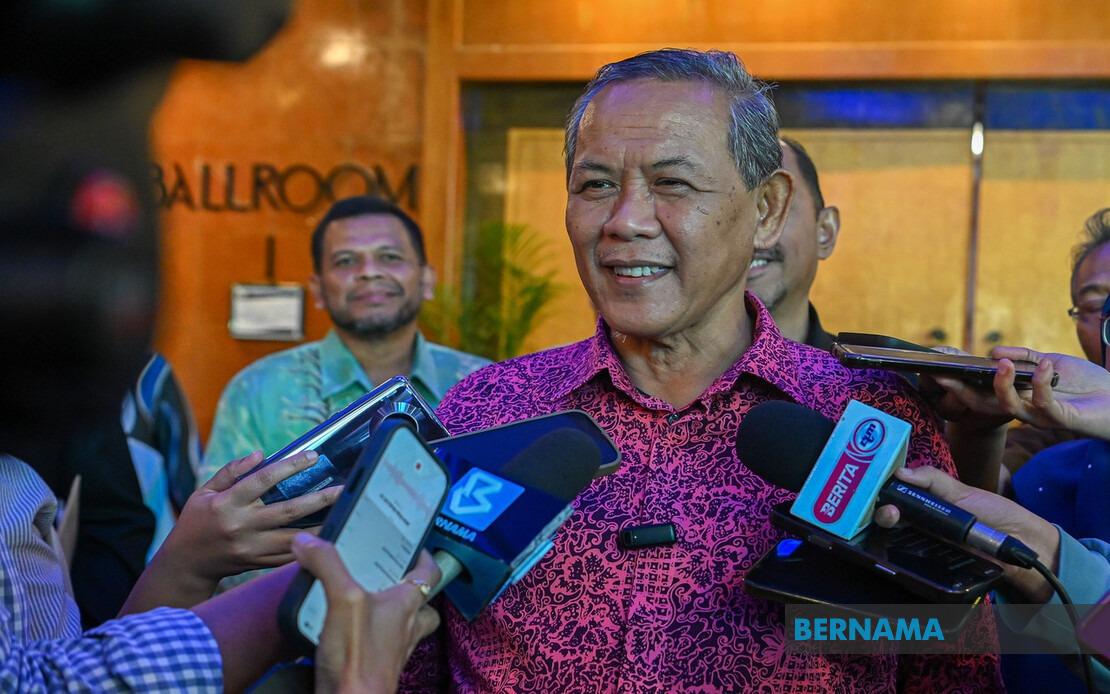
When pressed about whether he would be among those announced on July 14, Aminuddin—the incumbent Sikamat assemblyman and current Menteri Besar—declined to provide specifics. Speculation has circulated that he may contest the Linggi state seat, a neighbouring constituency, but he deflected questions with characteristic political caution, instructing observers to await the official July 14 revelation. His measured response underscores the conventional practice of allowing formal announcements to precede public confirmation of individual candidacies.
The Menteri Besar's broader message focused on party discipline and electoral preparation. Speaking to reporters after distributing Special Grants to 342 Rukun Tetangga units across Negeri Sembilan—totalling RM342,000—Aminuddin emphasised that all coalition members must prioritise campaign mobilisation over speculation. His framing reflects awareness that coalition cohesion and coordinated grassroots effort will prove essential for retaining state control in an electoral environment that has grown increasingly competitive.
Negeri Sembilan has emerged as a significant political battleground for Pakatan Harapan. The state represents one of PH's strongholds, having secured control in recent electoral cycles, yet mounting pressure from opposition Barisan Nasional and internal policy disagreements have created vulnerabilities. The announcement of a unified candidate slate demonstrates the coalition's commitment to presenting a consolidated front ahead of nomination day, consolidating support among party members and sympathetic voters before campaign intensity peaks.
The Electoral Commission's timeline creates a compressed window for candidate campaigns. With nomination day on July 18 and early voting on July 28, candidates will have just two weeks to mobilise supporters and establish campaign machinery before the electoral period formally commences. This condensed schedule rewards parties with strong ground networks and established voter databases—advantages typically enjoyed by incumbent coalitions with administrative resources.
For Pakatan Harapan nationally, the Negeri Sembilan election carries symbolic weight beyond the state's geographic scope. A strong showing would reinforce the coalition's narrative of political recovery and governance competence following its 2022 return to federal power. Conversely, any setback would provide opposition narratives with material support and could influence perceptions of PH's electoral viability heading into future contests, including potential federal balloting.
The candidate announcement also represents a test of coalition mechanics. Coordinating seat allocations between three partners with distinct ideological orientations and regional power bases remains operationally complex. Successfully executing the announcement without leaks or internal friction would signal that PH's institutional structures are functioning adequately—a point of relevance for observers assessing the coalition's long-term stability and capacity for political leadership.
Amiruddin's emphasis on securing victory rather than dwelling on internal appointments suggests leadership awareness of external competitive pressures. Negeri Sembilan voters will ultimately render judgment based on developmental records, policy performance, and local governance effectiveness rather than internal party manoeuvres. The coalition's messaging strategy appears calibrated toward emphasising collective accomplishment and future commitments rather than personalised candidacy narratives, a positioning that reflects confidence in institutional strength while acknowledging that coalition politics requires subordinating individual ambitions to collective success.

