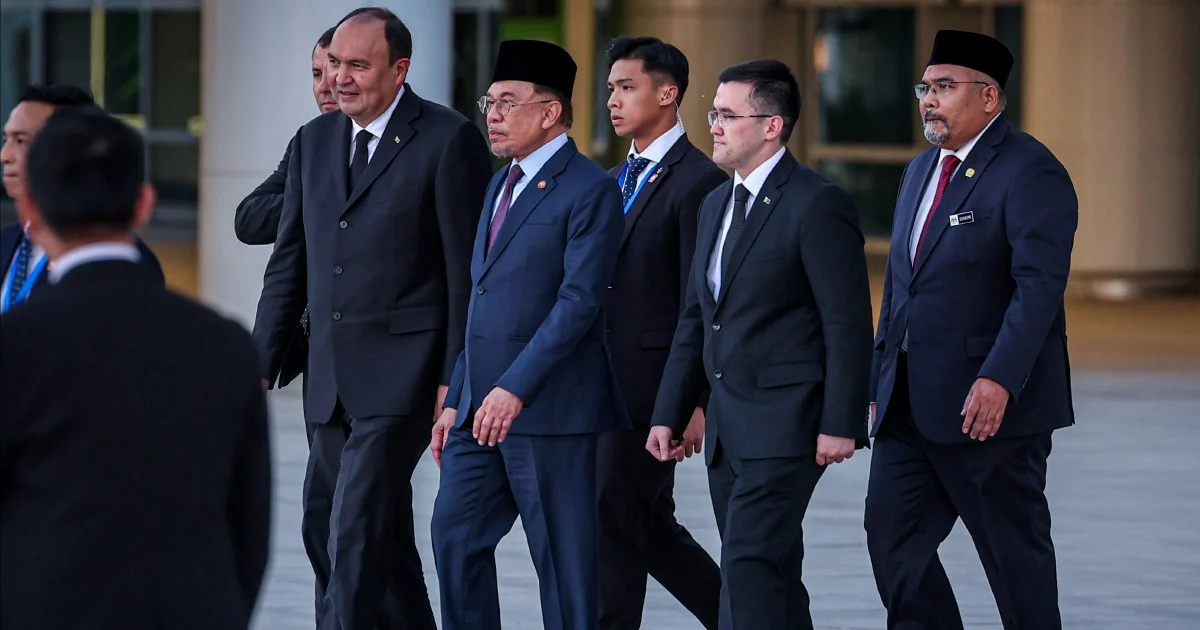
Prime Minister Datuk Seri Anwar Ibrahim is in the final phase of his official visit to Turkmenistan, with a concentrated schedule of high-level meetings designed to advance economic cooperation between Malaysia and the Central Asian republic. The engagements mark a significant diplomatic initiative to forge stronger ties with a nation situated along the Caspian Sea's eastern shoreline, positioning it as a strategic gateway between Europe and Asia.
Turkmenistan's geographic position has long made it an important crossroads for regional commerce and energy infrastructure. As a key energy producer with substantial oil and natural gas reserves, the country serves as a pivotal player in Central Asia's economic landscape. For Malaysia, engagement with Turkmenistan presents an opportunity to diversify its international partnerships beyond traditional trading blocs and tap into emerging markets in the wider Asian region.
The timing of this visit reflects Malaysia's broader strategy to expand its footprint in Central Asia, a region that has become increasingly significant for trade diversification and investment opportunities. The meetings between Anwar and Turkmenistan's leadership are expected to explore concrete pathways for enhancing bilateral commerce, with particular focus on sectors where Malaysian companies can add value or where Turkmen exports might find receptive markets in Southeast Asia and beyond.
Investment cooperation will likely constitute a major discussion point during these engagements. Malaysian firms have demonstrated growing interest in Central Asian markets, particularly in sectors such as telecommunications, finance, and manufacturing. Turkmenistan, meanwhile, has been actively seeking foreign investment to diversify its economy beyond hydrocarbons and to develop its industrial base. This complementarity suggests genuine mutual benefit in establishing structured investment frameworks.
The diplomatic initiative also reflects Malaysia's commitment to engaging with Muslim-majority nations across different regions. Turkmenistan, where Islam represents an important cultural dimension, shares values and interests with Malaysia in several spheres. This shared background can serve as a foundation for people-to-people connections that strengthen commercial relationships and facilitate smoother business transactions between the two nations.
Central Asia has historically been somewhat peripheral to Southeast Asian policy circles, but shifting global dynamics have prompted greater attention to the region. Malaysia's outreach to Turkmenistan is part of a wider recalibration of its foreign policy toward building networks across Asia's interior, complementing its traditional focus on maritime Southeast Asia. This geographic diversification is particularly relevant as Malaysia seeks to reduce economic dependencies and identify fresh growth opportunities.
The discussions are also likely to touch on potential collaboration in areas such as education, cultural exchange, and technical cooperation. Such soft power initiatives often precede and facilitate deeper commercial relationships. The establishment of scholarships, student exchange programmes, or professional training initiatives can build long-term networks of individuals familiar with both markets, creating organic channels for future business expansion.
Regional security and stability will probably feature indirectly in these conversations, as both nations have interests in seeing a peaceful, prosperous Central Asia. Malaysia's engagement here sends a signal that it is a responsible regional actor interested in constructive dialogue with partners across the Islamic world and beyond, rather than limiting itself to established alliances or trading groups. This positioning enhances Malaysia's diplomatic weight and credibility in multilateral forums.
The visit underscores how emerging economies are increasingly looking beyond traditional Western markets and established regional groupings. For Malaysia, deepening ties with Turkmenistan and other Central Asian countries opens pathways that could yield significant commercial returns over the medium to long term. Central Asia's consumer base, energy resources, and geographic position as a corridor between Europe and Asia make it strategically valuable for businesses seeking to expand horizons.
From Turkmenistan's perspective, Malaysia represents a gateway to Southeast Asia's dynamic economies and serves as an accessible partner for exploring new economic partnerships. The relationship also offers Turkmenistan an opportunity to demonstrate to the international community its capacity for constructive engagement with diverse partners, supporting its broader aims to integrate more fully into global economic structures.
These high-level engagements will likely culminate in agreements or memoranda of understanding that provide institutional frameworks for future cooperation. While such documents often signal intentions rather than immediate concrete outcomes, they establish bureaucratic pathways and demonstrate political will, creating momentum for subsequent business delegations and commercial negotiations that typically follow formal diplomatic visits.
The success of this visit may be measured not just by immediate commercial deals, but by its role in opening doors for Malaysian companies seeking footholds in Central Asia. Government-to-government engagement at the highest levels typically smooths the way for subsequent business activities, as it signals political support and provides assurances about the investment climate to private enterprises considering expansion into new markets.

