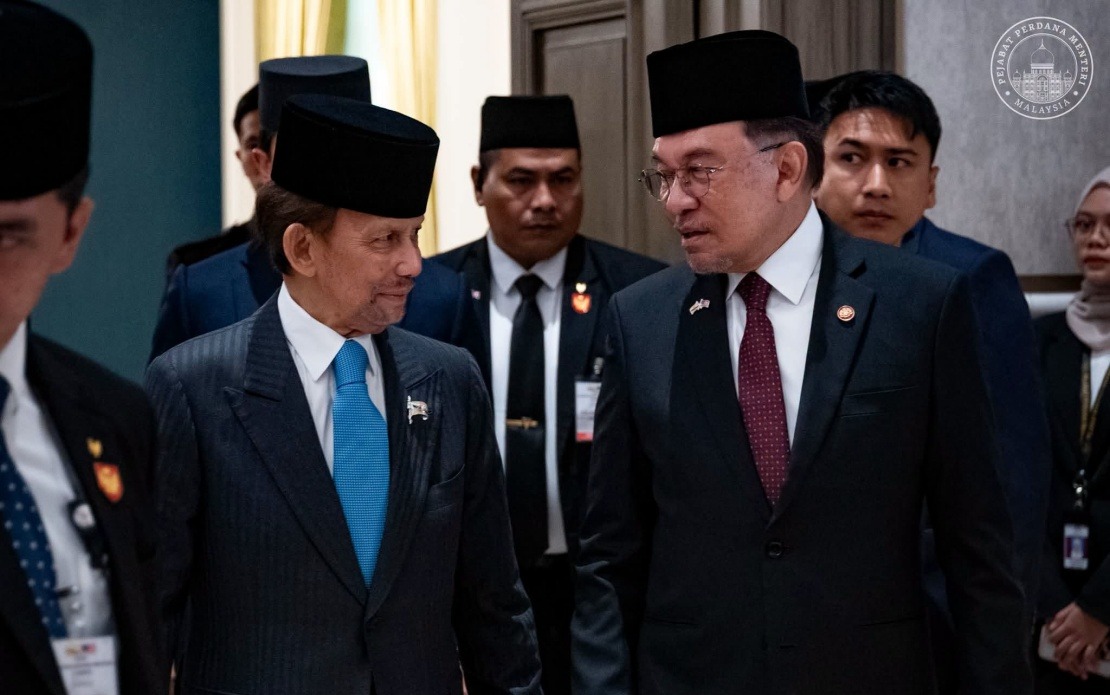
Prime Minister Datuk Seri Anwar Ibrahim has publicly acknowledged a personal outreach from Brunei Darussalam's Sultan Hassanal Bolkiah, who contacted him to express concern over his health and offer prayers for his recovery. The gesture highlights the close diplomatic ties between Malaysia and its northern neighbour, with Anwar responding through a Facebook statement expressing his appreciation for the Sultan's solicitude and reciprocating blessings for the monarch's continued wellness.
The phone conversation underscores the warm bilateral relations between the two ASEAN nations, which share maritime borders and deep historical connections. Such direct personal exchanges between heads of state, particularly regarding health matters, reflect the depth of the relationship beyond formal governmental protocols. The interaction comes at a moment when Anwar is managing his recuperation from a medical procedure, making the Sultan's gesture of human concern particularly meaningful in diplomatic circles.
Last week, Anwar underwent an elective laparoscopic procedure to address a para-umbilical hernia, a minimally invasive surgical treatment for this abdominal wall condition. The Prime Minister has continued his official duties while remaining under the watchful eye of a specialised medical team, demonstrating his commitment to maintaining Malaysia's governance continuity. This type of surgical intervention, though routine by modern standards, requires appropriate post-operative monitoring and recovery protocols, which Anwar's medical advisers have been overseeing meticulously.
The timing of Sultan Hassanal Bolkiah's call is particularly significant given that the Malaysian premier is scheduled to travel to Bandar Seri Begawan in the coming days. This visit aligns with the 27th Annual Leaders' Consultation between Malaysia and Brunei, a regular bilateral engagement framework that serves as an important platform for addressing shared regional and bilateral concerns. The personal meeting will provide an opportunity for the two leaders to discuss matters of mutual interest in an intimate setting, building on the Sultan's earlier expression of goodwill.
These bilateral consultations have become a cornerstone of Malaysia-Brunei relations, facilitating dialogue at the highest levels of government. Through this mechanism, both nations coordinate positions on ASEAN matters, discuss economic cooperation, address maritime issues, and align on regional security concerns. The meeting also allows for candid discussions on bilateral trade, investment opportunities, and cultural exchanges that bind the two predominantly Muslim-majority nations together.
For Malaysian observers, the exchange reflects a broader pattern of Southeast Asian leadership maintaining strong interpersonal relationships despite occasional policy differences. In an era where regional stability depends on trust and communication among neighbouring leaders, such courtesies and direct engagements serve a purpose beyond mere diplomatic formality. They reinforce the human element in international relations and demonstrate how personal relationships can facilitate smoother governmental operations.
Anwar's response in kind, offering his own prayers and well-wishes for the Sultan's health and prosperity, follows Islamic traditions of reciprocal goodwill that remain culturally significant across the region. This religious dimension to diplomatic engagement is common among Southeast Asian Muslim-majority nations, where Islamic values inform both personal conduct and state relations. The public acknowledgment of these prayers also carries domestic political significance, allowing the Prime Minister to reinforce his leadership during a period of medical recovery.
The hernia procedure, while not unprecedented among senior Malaysian politicians and officials, naturally prompts questions about the government's continuity planning and succession arrangements. By maintaining visible engagement with international counterparts and continuing to fulfil his duties, Anwar is reassuring both domestic audiences and the international community about Malaysia's stability and his capacity to lead. The Sultan's personal concern validates this approach, suggesting no regional anxiety about Malaysia's governance.
Looking ahead to the Bandar Seri Begawan visit, the bilateral consultation provides both leaders an opportunity to deepen cooperation on issues ranging from ASEAN affairs to economic integration. Brunei, as a smaller nation with significant energy resources, and Malaysia, as a larger regional economy, have complementary interests in maintaining regional prosperity and security. The meeting will also be an occasion to discuss maritime cooperation, given both nations' shared interests in the South China Sea and broader regional waters.
The exchange between Anwar and Sultan Hassanal Bolkiah exemplifies the diplomatic sophistication expected at the highest levels of governance in Southeast Asia. Beyond the ceremonial aspects, such interactions help build the personal trust necessary for effective regional diplomacy. When leaders have developed genuine rapport through multiple engagements, they are better positioned to navigate disagreements constructively and collaborate on shared objectives that benefit their respective populations and the wider region.

