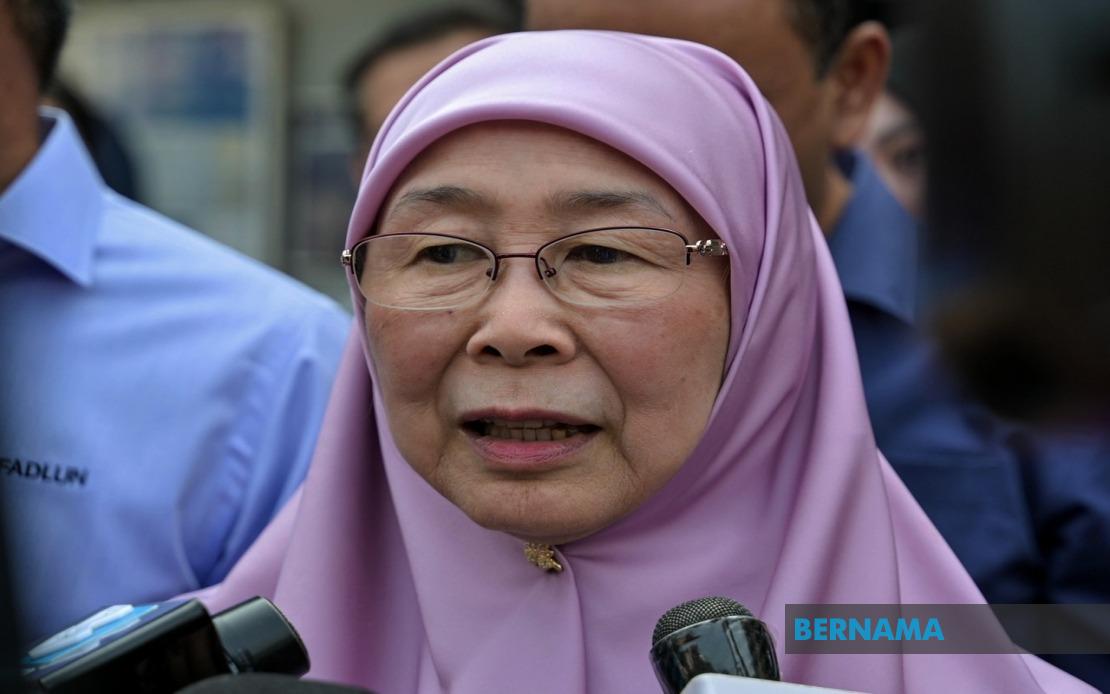
Prime Minister Datuk Seri Anwar Ibrahim is set to leave hospital today following his recovery from a scheduled surgical procedure, his wife Datuk Seri Dr Wan Azizah Wan Ismail announced on Tuesday. The Prime Minister underwent an elective laparoscopic operation on Monday to address a para-umbilical hernia, a common abdominal condition that can be effectively treated through minimally invasive surgical techniques.
The laparoscopic approach, which uses small incisions and specialized instruments rather than open surgery, typically allows for faster recovery times and reduced post-operative discomfort. The procedure is particularly suited for hernia repairs, as it minimizes tissue trauma while achieving the necessary anatomical correction. Given the routine nature of such interventions and the Prime Minister's positive response to treatment, the anticipated discharge marks a swift progression through the recovery phase.
Dr Wan Azizah conveyed her husband's gratitude to the many Malaysians who offered prayers and well-wishes during his hospitalization. Speaking to the media after attending the Semarak Merdeka programme—part of the official 2026 National Month celebrations at the Bandar Tun Razak branch of Kuala Lumpur City Hall—she emphasized that Anwar remains appreciative of the public's concern and support during this period. Such expressions of national solidarity underscore the significant place Malaysia's leadership holds in public consciousness.
The timing of the announcement, coming alongside Malaysia's National Month festivities, highlights the continuity of governmental functions even as the Prime Minister undergoes medical treatment. The Semarak Merdeka celebrations themselves represent a broader national narrative of independence and resilience, themes that resonate with the public's expectation that elected leaders maintain robust health and capacity to serve. The government's transparent communication regarding Anwar's condition and recovery timeline demonstrates a commitment to keeping citizens informed about the well-being of key officials.
Minimally invasive surgical techniques such as laparoscopy have become the standard of care for many abdominal procedures across Malaysia's private and public healthcare sectors. The choice of this approach for the Prime Minister's treatment reflects contemporary best practices in surgery, where patient outcomes and quality of life considerations guide clinical decision-making. Recovery from laparoscopic hernia repair typically involves a graduated return to normal activities over the following weeks, with most individuals able to resume light duties relatively quickly.
The public's receipt of regular updates about Anwar's health reflects an established pattern of transparency within Malaysia's political establishment regarding leader welfare. This openness serves multiple functions: it reassures citizens that continuity of governance remains intact, it demonstrates that even senior officials are subject to the same medical realities as the general population, and it normalizes conversations around surgical intervention and healthcare access. The involvement of Dr Wan Azizah as the primary communicator adds a personal dimension while maintaining official propriety.
For Malaysia's healthcare system, the Prime Minister's successful completion of a routine surgical procedure through minimally invasive methods provides an implicit endorsement of the nation's medical capabilities. The country's hospitals and medical professionals have developed considerable expertise in laparoscopic surgery over the past two decades, positioning Malaysia as a regional leader in surgical innovation and patient care. The availability of advanced surgical techniques at the highest levels of society reflects investments in medical infrastructure and professional training across the nation.
From a governance perspective, the orderly management of the Prime Minister's medical needs and the planned transition back to full duties demonstrates institutional stability. In parliamentary democracies, clarity about leadership availability and succession protocols contributes to confidence in governmental continuity. The communication from Dr Wan Azizah indicates no complications or extended recovery requirements, allowing Anwar to maintain his expected schedule of public and official duties without significant disruption.
The para-umbilical hernia condition—characterized by a protrusion near the umbilicus—is relatively common and increasingly treatable through outpatient surgical techniques. Modern laparoscopic repair typically involves mesh reinforcement to reduce recurrence risk and is considered one of the safest approaches available. The decision to address this condition surgically reflects proactive healthcare management, addressing a known issue before it could potentially develop complications or impact the Prime Minister's ability to fulfill his demanding role.
As Anwar prepares to resume his duties, the episode underscores the importance of preventive and elective healthcare engagement among high-profile public figures. Regular medical assessment and willingness to address health concerns through appropriate intervention models demonstrates responsible self-care practices. For the broader Malaysian public, the normalcy with which such procedures are being handled may encourage similar engagement with healthcare services, particularly regarding conditions that can be effectively treated through modern surgical approaches.
The anticipated discharge represents a return to regular programming for Malaysia's political leadership and government operations. With the Prime Minister expected to resume his full schedule of parliamentary, ministerial, and diplomatic responsibilities, the nation's governance apparatus continues without significant interruption. The successful completion of Anwar's treatment and his expected swift recovery exemplify the benefits of timely medical intervention and access to contemporary surgical techniques within Malaysia's healthcare landscape.

