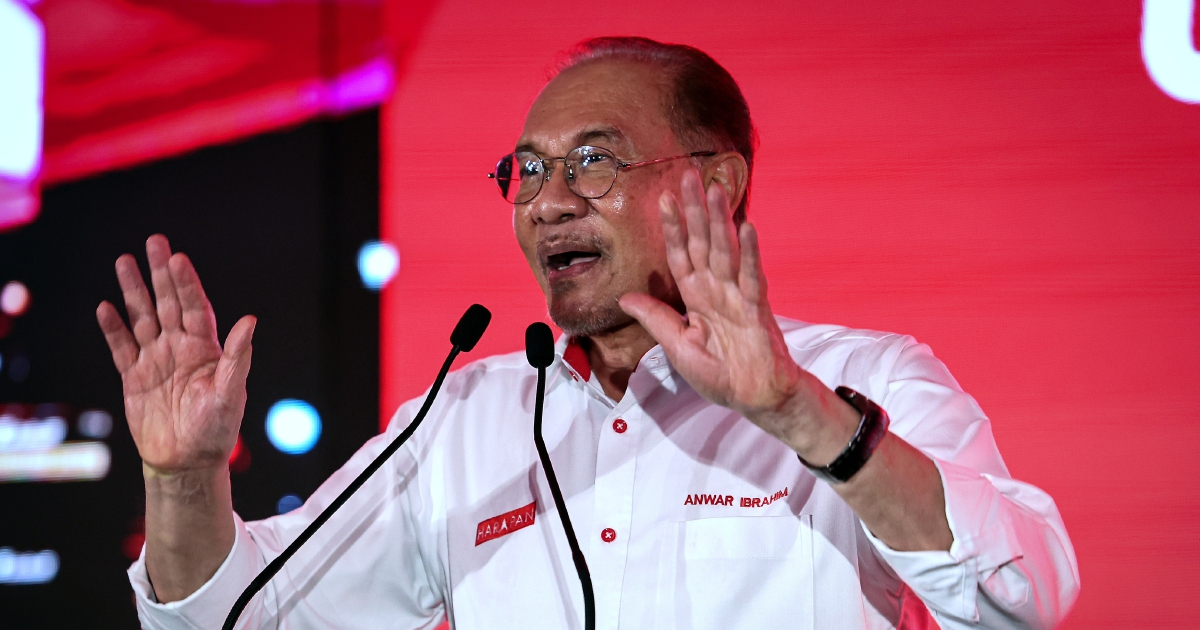
Prime Minister Datuk Seri Anwar Ibrahim has moved to dispel mounting allegations that the government deliberately provided inaccurate information to the public regarding Tunku Abdul Rahman University of Management and Technology's tax exemption status. Speaking in Johor Baru, Anwar firmly rejected claims of governmental deception, emphasizing instead that the institution had successfully received the full 10-year extension of its tax exemption as originally promised.
The controversy surrounding TAR UMT's tax benefits represents a significant moment in Malaysia's ongoing discourse about higher education funding and government transparency. The university, a major private institution serving tens of thousands of students across its campuses, has been at the centre of public debate following suggestions that the administration had not fulfilled its commitment regarding the exemption period. Such accusations strike at the credibility of government pledges, particularly where educational institutions depend heavily on fiscal incentives to maintain operational sustainability and competitiveness.
TAR UMT's status as a long-established university operating under Malaysia's complex tertiary education landscape makes the tax exemption matter particularly consequential. The institution has evolved significantly since its establishment, serving as a vital pathway for Malaysian students seeking specialized management and technology education. The continuation of tax benefits directly influences its capacity to invest in academic infrastructure, faculty development, and student support services—factors that resonate throughout Southeast Asia's competitive higher education market.
The prime minister's clarification attempts to address what observers have characterized as a credibility gap between government statements and public perception regarding institutional incentives. In Malaysia's political environment, where government pledges to educational bodies attract scrutiny from multiple quarters, maintaining clarity about fiscal commitments becomes essential. The misunderstanding—whether genuine confusion or perceived dishonesty—underscores challenges in communicating complex tax policy decisions to stakeholders and the broader public.
Government support for private educational institutions through tax exemptions reflects Malaysia's broader strategy of encouraging private sector participation in higher education delivery. These incentives aim to enable universities to maintain reasonable fee structures while sustaining quality standards and operational expansion. However, such arrangements also generate expectations that must be precisely articulated and rigorously honoured to preserve institutional trust and public confidence in government commitments.
The timing of Anwar's statement carries weight given Malaysia's evolving approach to transparency and accountability in government operations. His direct rejection of deception allegations suggests the administration views the matter as straightforward—that the promised extension was indeed granted and that any confusion represents a communication problem rather than a substantive failure. This framing, however, requires supporting documentation and clear explanation of how the exemption extension was structured and administered.
For TAR UMT specifically, the resolution of this controversy carries operational implications. Universities operating under tax-exempt status plan their financial strategies accordingly, allocating resources based on anticipated savings from such arrangements. Any ambiguity regarding the duration or validity of these exemptions could disrupt institutional planning cycles and affect decision-making around infrastructure investments or programme development.
The incident also reflects broader questions about how Malaysian government communicates major policy decisions to educational stakeholders. Universities, their leadership, students, and staff depend on accurate information about regulatory and fiscal frameworks that affect institutional viability. When such information becomes contested or unclear, it creates uncertainty that extends beyond individual institutions into Malaysia's entire private education sector.
Regional considerations further complicate the matter. Singapore, Thailand, and other Southeast Asian nations compete actively for Malaysian students and educational market share. Uncertainty about Malaysia's commitment to supporting private higher education institutions could indirectly influence student enrolment decisions or investment confidence among international educational providers. Clarity and consistency in government support become competitive advantages in the region's dynamic tertiary education landscape.
Anwar's intervention suggests the government recognizes the importance of settling the matter definitively. Whether through formal documentation clarifying the exemption extension's precise terms, or through statements from relevant ministries explaining the administrative process, the administration appears committed to demonstrating that its commitment to TAR UMT has been fulfilled. Such clarity serves multiple purposes: reassuring the university about its financial status, restoring public confidence in government pledges, and signalling Malaysia's continued support for private higher education development.
Looking forward, this episode may prompt greater standardization in how government communicates fiscal incentives to educational institutions. Establishing clear protocols for announcing, documenting, and administering tax exemptions would reduce future misunderstandings and strengthen the credibility of government support mechanisms. For stakeholders in Malaysia's education sector, Anwar's statement represents an attempt to close a chapter that has generated unnecessary uncertainty, though full resolution likely requires additional clarification from relevant government agencies.

