%22%2F%3E%3C%2Fpattern%3E%3C%2Fdefs%3E%3Crect%20width%3D%22100%25%22%20height%3D%22100%25%22%20fill%3D%22url(%23ph2xymkg)%22%2F%3E%3Crect%20width%3D%22100%25%22%20height%3D%22100%25%22%20fill%3D%22url(%23ph2xymkp)%22%2F%3E%3Ctext%20x%3D%2250%25%22%20y%3D%2250%25%22%20text-anchor%3D%22middle%22%20dominant-baseline%3D%22central%22%20fill%3D%22rgba(255%2C255%2C255%2C0.95)%22%20font-family%3D%22Georgia%2C%20'Times%20New%20Roman'%2C%20serif%22%20font-weight%3D%22700%22%20font-size%3D%22272%22%20letter-spacing%3D%22-0.02em%22%3EAnwar%3C%2Ftext%3E%3C%2Fsvg%3E)
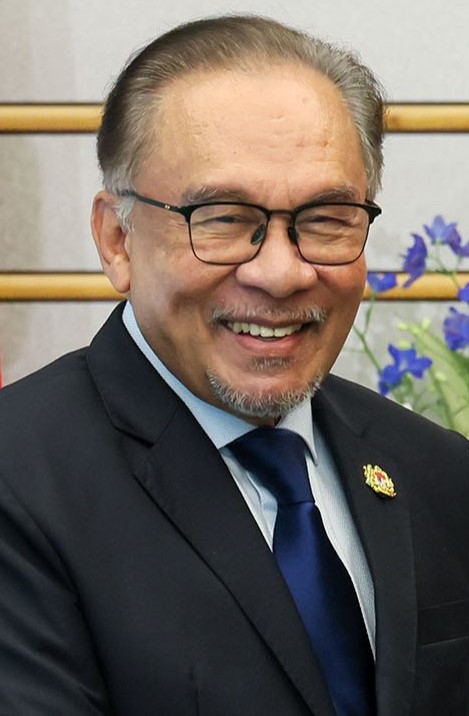
Malaysian Prime Minister Datuk Seri Anwar Ibrahim has publicly acknowledged Russia's unwavering diplomatic stance on two of the Middle East's most pressing crises—the Gaza conflict and regional tensions involving Iran. During a bilateral meeting in Kazan on Wednesday night, Anwar articulated Malaysia's appreciation for what he characterised as Moscow's principled and consistent approach to these interconnected geopolitical challenges that have captured international attention.
In his opening remarks, Anwar directly thanked Putin for Russia's position on both issues, framing them as evidence of principled governance. The Malaysian leader's comments reflect a deliberate diplomatic move to align Malaysia's foreign policy perspective with Russia's broader Middle Eastern strategy, signalling continuity in bilateral relations at a time when geopolitical alignments remain fluid across the region.
The Prime Minister extended his remarks beyond bilateral appreciation, emphasising that Malaysians and many others across the globe share admiration for Putin's tenacity in upholding these positions. This framing serves multiple purposes: it domestically legitimises Malaysia's engagement with Russia on these contentious issues, while internationally positioning Malaysia as a voice supporting what it views as principled diplomacy rather than power-based interventionism in Middle Eastern affairs.
Russia's approach to the Gaza conflict has been notably distinct from Western positions. Moscow has persistently called for a comprehensive ceasefire, unhindered humanitarian access for Palestinian populations, and negotiated resolutions that address root causes of regional instability. These positions resonate with Malaysia's own diplomatic rhetoric on Palestinian issues, which has long been a cornerstone of the country's foreign policy identity within the Non-Aligned Movement and the broader Muslim-majority world.
Regarding Iran, Russia has maintained diplomatic channels while advocating against military escalation. Moscow's strategy emphasises dialogue and negotiated settlement over confrontational approaches, a stance that contrasts sharply with the more confrontational posture adopted by the United States and some of its allies. By commending Russia's approach, Anwar implicitly signals Malaysia's preference for de-escalation and multilateral engagement in resolving regional tensions.
The bilateral meeting in Kazan occurs against a backdrop of intensifying great power competition in the Middle East and beyond. The United States, Russia, and China each pursue competing strategic interests in the region, creating a complex diplomatic environment where middle powers like Malaysia must carefully calibrate their positions. Malaysia's acknowledgement of Russia's consistent approach reflects the country's effort to maintain pragmatic engagement with multiple major powers while preserving its strategic autonomy.
For Malaysia specifically, engagement with Russia carries particular significance given Malaysia's historical non-aligned posture and its role as a voice for developing nations in multilateral forums. By publicly endorsing Russia's diplomatic consistency on Gaza and Iran, Anwar reinforces Malaysia's positioning as a nation that evaluates international conduct on principle rather than alignment with any single bloc. This approach has traditionally enabled Malaysia to maintain constructive relationships across ideological divides.
The Gaza issue remains viscerally important to Malaysia's domestic political landscape and regional standing. Malaysia has consistently advocated for Palestinian self-determination and criticised actions it deems disproportionate or violating humanitarian norms. Russia's support for ceasefire mechanisms and humanitarian access aligns with these positions, making Russia a diplomatic ally on this particular issue—a reality that transcends the broader Western-Russian geopolitical competition that dominates other domains.
Iran represents another critical consideration for Malaysia's regional strategy. As a fellow Muslim-majority nation and significant regional actor, Iran's stability and international standing matter to Malaysian interests. Malaysia's support for diplomatic rather than military solutions reflects both Islamic solidarity considerations and pragmatic recognition that military escalation would destabilise the region economically and politically. Russia's similar preference for negotiated outcomes creates natural diplomatic alignment.
Anwar's remarks also carry implications for Malaysia's domestic political narrative. The Prime Minister has consistently emphasised Malaysia's role as a bridge-builder and voice for the Global South in international affairs. By publicly commending Russia's diplomatic consistency, Anwar reinforces this self-image while demonstrating that Malaysia maintains independent foreign policy judgments not dictated by Western preferences or pressure.
The timing of these comments in Kazan, during what appears to be an official bilateral engagement, underscores the institutional nature of Malaysia-Russia relations. Rather than mere rhetoric, Anwar's appreciation suggests substantive alignment on key geopolitical questions, with potential implications for Malaysia's voting patterns in international forums and its diplomatic initiatives on Middle Eastern issues.
Looking forward, Malaysia's public endorsement of Russia's Middle Eastern diplomatic approach may influence how ASEAN countries position themselves on these issues. As ASEAN's largest Muslim-majority nation by population and a significant regional diplomatic voice, Malaysia's stances often shape regional discussions on Palestinian rights, Iran relations, and broader Middle Eastern matters that affect Southeast Asia's security environment and trade relationships.
The bilateral engagement also reflects broader patterns in Malaysia's international relations strategy: maintaining substantive partnerships with major powers across different geopolitical blocs while preserving policy independence. This balancing act has become increasingly challenging as global polarisation intensifies, yet Malaysia's explicit appreciation for Russia's diplomatic consistency demonstrates continued commitment to this delicate equilibrium in an increasingly fractious international system.