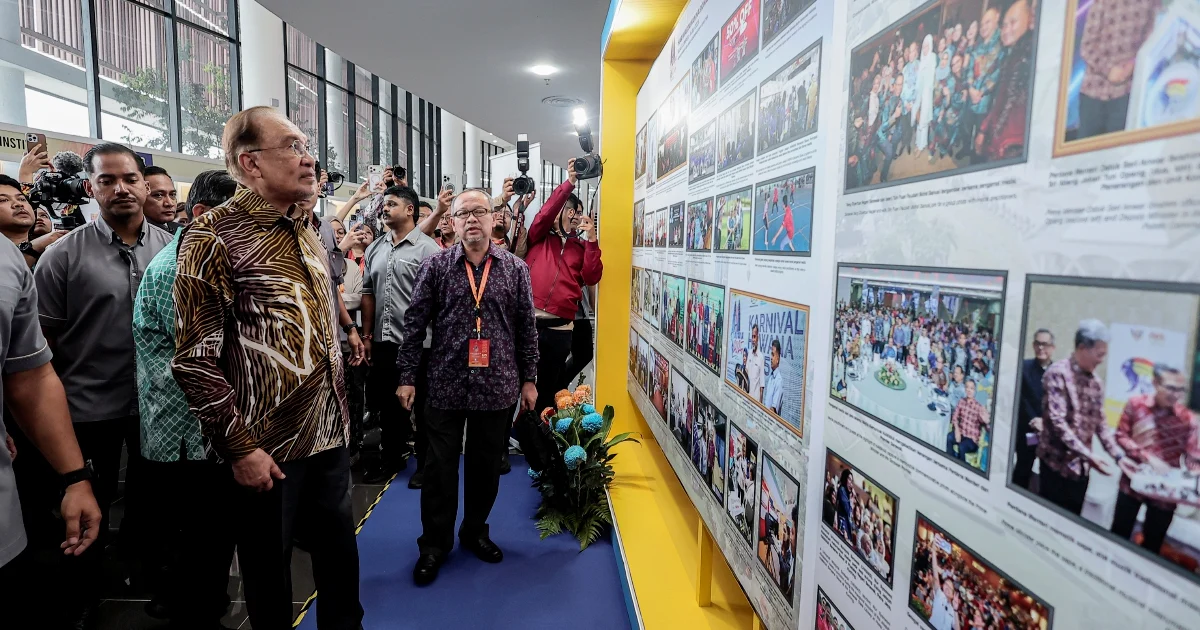
Prime Minister Datuk Seri Anwar Ibrahim has unveiled a significant financial commitment to strengthen the welfare framework for media professionals, committing RM1 million in government funding towards Tabung Kasih@Hawana 2026. The announcement, made in Permatang Pauh, underscores the federal administration's recognition of journalism's critical role in democratic discourse and the pressing need to enhance support structures for those working in news organisations across the country.
The allocation represents a tangible acknowledgment that journalists and media workers require institutional backing beyond market forces alone. As newsrooms across Malaysia continue navigating economic headwinds and evolving audience consumption patterns, welfare schemes that cushion employees against financial hardship take on heightened significance. The Tabung Kasih@Hawana initiative appears positioned as a pooled assistance mechanism designed to address unexpected emergencies or sustained hardship that media professionals might encounter during their careers.
Anwar's positioning of this funding within a broader narrative of media industry transformation carries particular weight in the Malaysian context. The past decade has witnessed fundamental disruption to traditional news business models, with print circulation declining, digital advertising remaining concentrated among technology platforms, and newsroom employment contracting. Government articulation of continued commitment to supporting media development suggests policymakers recognise that a healthy information ecosystem requires deliberate intervention and sustained commitment rather than passive reliance on market mechanisms.
The welfare fund announcement also reflects growing international discourse around the precarious employment conditions faced by many journalists globally. Southeast Asia has experienced particular challenges in sustaining viable news operations, with several countries experiencing significant closure of publications or reduction in editorial resources. By designating resources specifically for journalist welfare, the Malaysian government positions itself within a progressive camp of administrations prioritising media worker wellbeing as essential infrastructure for democratic health.
Beyond the immediate welfare dimension, Anwar's framing of this initiative as part of broader media transformation initiatives suggests a more comprehensive policy approach emerging from the administration. This could encompass digital literacy programmes, newsroom management training, commercial sustainability workshops, or support for emerging media startups attempting to build viable business models in the digital era. The Prime Minister's emphasis on continued support across multiple fronts suggests the government views media development as requiring multifaceted intervention rather than single-point solutions.
For Malaysian journalists particularly, the announcement carries several implications. The welfare fund provides a safety net that may reduce anxiety about employment precarity and income volatility that characterises much contemporary journalism work. Media professionals often juggle multiple revenue streams and face unpredictable income patterns as publications experiment with subscription models, advertising approaches, and reader revenue strategies. A dedicated welfare mechanism could facilitate weathering temporary income disruptions without requiring workers to exit journalism entirely.
The timing and scale of the RM1 million allocation warrants contextualisation within Malaysia's broader federal budgetary framework. While the sum represents meaningful commitment to a specific sector initiative, understanding how this figures within overall government spending on media development, broadcasting support, and information infrastructure provides essential perspective. The announcement suggests philanthropic or grant-based components to the Tabung Kasih mechanism, meaning the government capital may catalyse broader fundraising from private sector media employers or professional associations.
Regional implications also merit consideration. As Malaysia announces expanded welfare support for journalists, the announcement potentially influences discourse across Southeast Asia regarding government responsibility toward media worker wellbeing. Thailand, Indonesia, and other regional neighbours grapple with similar challenges supporting journalism amid commercial pressures and shifting audience behaviour. Malaysia's articulated commitment may establish benchmarks against which neighbouring countries evaluate their own media support policies, potentially spurring comparable initiatives elsewhere in the region.
The welfare fund announcement also intersects with ongoing discussions about media freedom and editorial independence. By framing support explicitly around journalist welfare rather than content subsidisation or editorial direction, the Malaysian government signals an approach that enhances worker security without directly controlling news production. This distinction carries importance for international press freedom assessments and domestic media credibility, as journalism funded through independence-threatening mechanisms faces legitimacy questions that welfare schemes typically avoid.
Looking forward, the success of the Tabung Kasih@Hawana 2026 initiative will likely depend on transparent governance structures, inclusive eligibility criteria, and responsive administration of benefits. Malaysian media organisations will need clarity regarding application procedures, support eligibility requirements, and the types of hardship situations the fund addresses. Effective communication about fund availability and accessibility mechanisms becomes essential for ensuring journalists across diverse outlets and employment arrangements understand and benefit from the initiative.
The announcement also raises questions about complementary policy measures necessary for sustainable media sector development. Welfare support addresses immediate worker hardship but sits alongside challenges around viable business models, audience engagement, editorial investment priorities, and technology infrastructure. A comprehensive media policy approach would weave welfare protection into broader industrial development frameworks supporting sustainable journalism operations across print, broadcast, and digital platforms.
As the Malaysian media landscape continues evolving, initiatives like Tabung Kasih@Hawana 2026 signal government recognition that supporting journalism requires deliberate institutional mechanisms and financial commitment. The RM1 million allocation represents both immediate practical support for media professionals and symbolic affirmation that journalism constitutes a public good warranting sustained policy attention and resource allocation.

