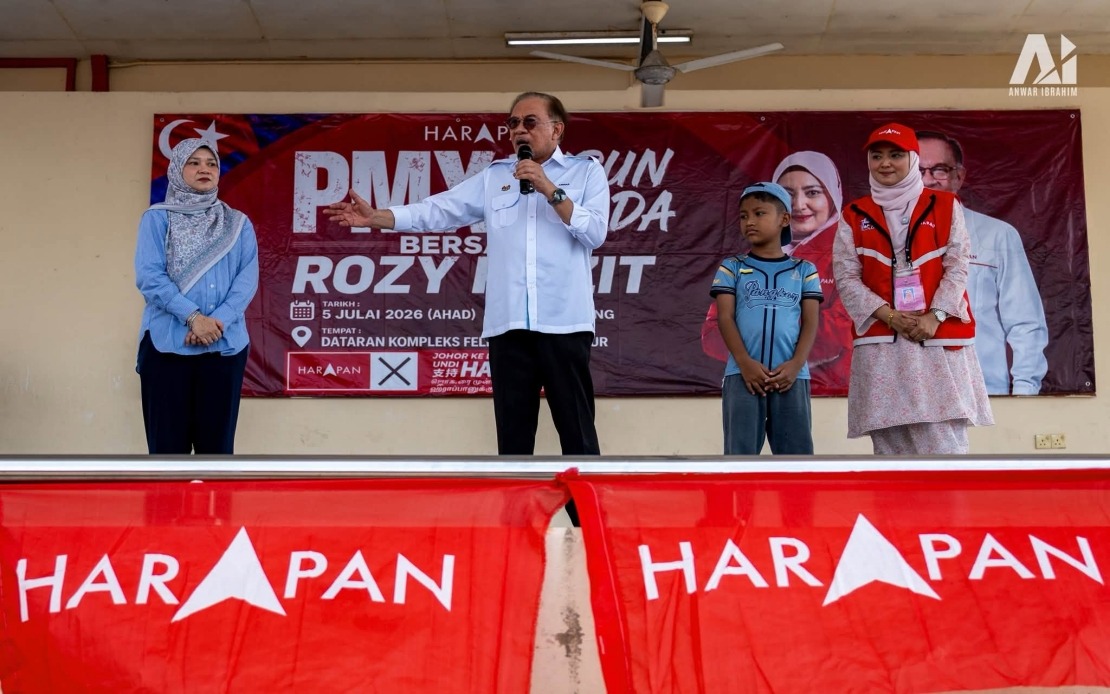
Prime Minister Datuk Seri Anwar Ibrahim has publicly reflected on a chance encounter that left a lasting impression on him, describing how a nine-year-old boy named Muhammad Afif Ikhwan traversed an oil palm plantation with his grandmother simply to catch a glimpse of the country's leader. The brief but meaningful meeting occurred during an official programme at Felda Palong Timur in Segamat, a rural constituency in Johor where agricultural communities form the backbone of the local economy. Anwar's sharing of the story underscores how, even amidst the pressures of high office, personal human connections can profoundly affect those in positions of power.
The Prime Minister revealed that he was so moved by the encounter that he subsequently arranged for an emissary to visit Muhammad Afif at home, presenting the boy with a bicycle as a gesture of encouragement. This follow-up act demonstrates a deliberate effort to transform a fleeting moment into something substantive, signalling that Anwar viewed the interaction as worthy of further action. For Muhammad Afif and his family, the gift carries significance beyond its material value—it represents recognition from the nation's highest office and may serve as motivation for his continued educational pursuits.
The backstory reveals the lengths to which Muhammad Afif's grandmother, 58-year-old Rosimah Mohammad from Kampung Pudu in Segamat, was willing to go in support of her grandson's ambition. Riding a motorcycle along the dusty tracks that crisscross the oil palm estates that dominate the region's landscape, she navigated terrain that is typically used for plantation work and agricultural transport rather than personal journeys. Her determination to facilitate her grandson's wish reflects a generational commitment common in Malaysian rural communities, where grandparents often serve as primary caregivers and emotional anchors for young family members.
In his Facebook post reflecting on the incident, Anwar characterised what might seem to outsiders as a modest childhood dream as something sufficiently powerful to inspire such dedication. He noted that the boy's small hand reaching through the crowd during the event created a genuine human connection that transcended the typical formality of political engagements. By bringing Muhammad Afif onto the stage, Anwar elevated what could have been a passing moment into a public recognition of the child's determination, allowing the wider audience at Felda Palong Timur to witness an unscripted expression of humanity.
The Prime Minister used the occasion to deliver a broader message about the importance of maintaining compassion and human connection despite the burdens of governance. He acknowledged that managing national affairs and confronting significant challenges can easily consume the attention of those in leadership positions, potentially dulling their sensitivity to individual human stories. Yet he argued that preserving these qualities—the capacity to be moved by a child's longing, the willingness to acknowledge someone's effort—remains essential for effective and empathetic leadership at the highest levels.
For Malaysian observers, particularly those in rural communities, the story carries particular resonance because it reflects the reality of geographical and socioeconomic disparities that persist across the nation. Felda Palong Timur and surrounding areas in Segamat represent Malaysia's agricultural heartland, where economic opportunities are often more limited than in urban centres. The willingness of a top national leader to publicly celebrate the devotion and aspiration of a rural family sends an implicit message about the visibility and value of rural Malaysia within the broader national narrative.
Muhammad Afif's experience also illustrates the persistent cultural significance that personal encounters with prominent national figures hold in Malaysian society. Despite living in an age of digital media and virtual connectivity, direct face-to-face meetings with leaders remain deeply meaningful, particularly for young people in communities where such opportunities are rare. The fact that both Rosimah and her grandson were willing to undertake a challenging journey speaks to this enduring cultural value.
Anwar's reflection on the encounter touched on aspirations he holds for Muhammad Afif's future, explicitly hoping that the memory of meeting the Prime Minister would inspire continued academic diligence and eventual contributions to family, community, and nation. This framing positions the brief interaction as more than a charming human-interest anecdote—it becomes a moment with intended catalytic potential, where recognition and encouragement from high office might influence a young person's trajectory.
The broader context of this story intersects with ongoing conversations about rural development, educational opportunity, and the accessibility of national leaders to ordinary citizens. In regions like Segamat, where plantation work and smallholder agriculture dominate economic activity, personal connections to political leadership can carry outsized significance, both symbolically and practically. Anwar's public acknowledgement of Muhammad Afif's story demonstrates awareness of this dynamic and a deliberate choice to amplify narratives from Malaysia's rural constituencies.
For observers monitoring Anwar's leadership style, the incident provides insight into how he positions himself as a leader invested in personal relationships and human-centred governance. Rather than dismissing the encounter as a routine crowd moment, he chose to memorialize it, reflect on its meaning, and take concrete follow-up action. This approach contrasts with more transactional models of political engagement and suggests a deliberate cultivation of a leadership persona rooted in empathy and individual attention.

