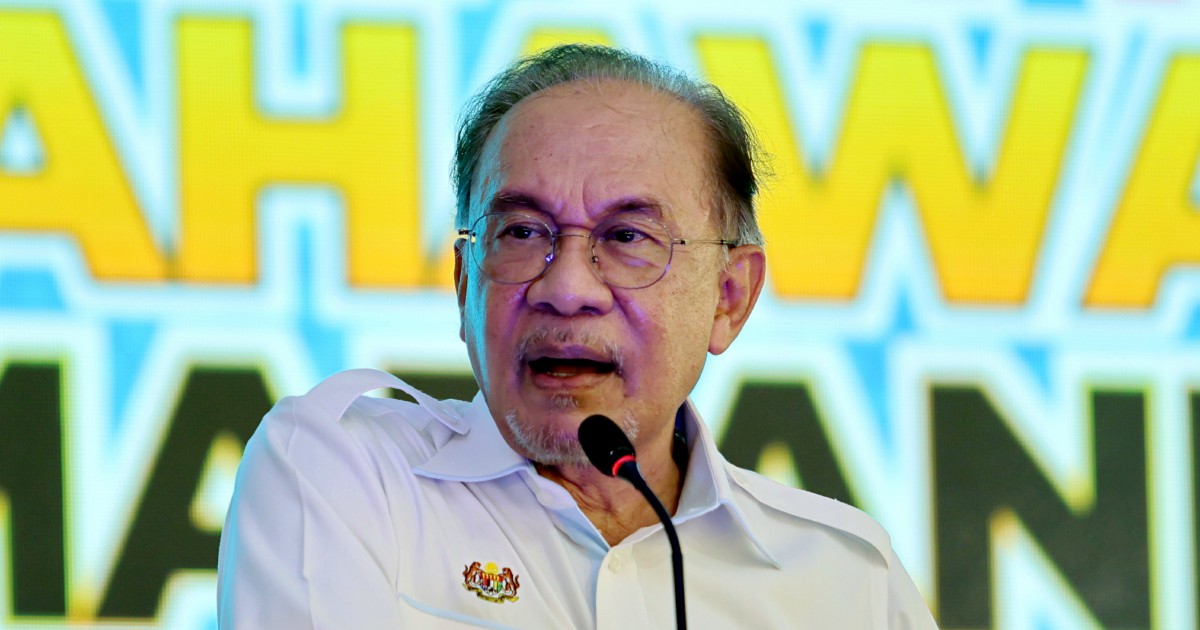
As the clock ticked toward the midnight deadline ending Negri Sembilan's state election campaign, Prime Minister Datuk Seri Anwar Ibrahim pivoted to TikTok to deliver his closing arguments to the electorate. The decision reflects the ruling coalition's recognition that final campaign moments require reaching voters where they increasingly consume political content—on short-form video platforms rather than through traditional broadcasting channels.
With merely hours remaining before the 11.59pm cutoff imposed by electoral regulations, Anwar and fellow Pakatan Harapan leaders recognised that conventional campaigning methods had exhausted their reach. The turn toward TikTok demonstrates how Malaysian politics continues evolving its communication strategies to engage younger demographics and those who skip traditional media entirely. The platform's algorithm-driven nature allows parties to amplify messages beyond their existing follower base, potentially reaching undecided voters at the eleventh hour.
Negri Sembilan's state election represents a significant test for the ruling coalition's resilience in a crucial swing state. The federal government's decision to contest vigorously in the state reflects both the political importance of maintaining control and the threat posed by opposition forces. An loss would reverberate through Malaysia's political calculations, particularly given the state's position as a bellwether for broader electoral sentiment.
The emphasis on social media campaigning also signals recognition of demographic shifts in the electorate. Younger voters, who comprise an increasingly substantial portion of the registered voting population, predominantly access news and political information through digital channels. By concentrating resources on TikTok in the campaign's final hours, Anwar's team effectively conceded that traditional voter mobilisation had likely reached its ceiling and opted instead to ensure their message penetrated the digital spaces where late-deciding voters remained engaged.
Packatan Harapan's leadership coalition has previously demonstrated sophistication in social media deployment, though the reliance on TikTok specifically marks a notable shift toward even more informal, personality-driven content. Unlike Facebook or Instagram, TikTok's format encourages brevity, authenticity, and entertainment value—characteristics that can either humanise political leaders or undermine their gravitas depending on execution. The gamble in using the platform reflects confidence that voters will respond positively to politicians meeting them on their preferred communication channel.
The midnight campaign deadline itself represents one of Malaysia's key electoral safeguards, designed to prevent last-minute disinformation and ensure a cooling-off period before voting begins. Operating within these constraints, political campaigns must conclude their messaging at a precise moment, making the final hours particularly intense as parties attempt to lodge their concluding arguments in voters' minds. The TikTok strategy effectively stretches the campaign's reach through a medium that encourages sharing and engagement, potentially extending the message's lifespan beyond the official cutoff through organic circulation.
For Malaysian political observers, this tactical shift offers insights into how ruling and opposition parties are adapting to evolving media landscapes. The government's command of traditional resources—including state broadcasting capacity and official platforms—becomes less decisive when campaign effectiveness increasingly depends on viral resonance and social media engagement. This structural shift creates new vulnerabilities for established parties while simultaneously offering novel opportunities for insurgent campaigns willing to embrace unconventional tactics.
Negri Sembilan itself occupies particular strategic significance within Malaysian federalism. As a state where both federal and state governments can substantially influence policy implementation and resource allocation, control of the state legislature carries material consequences for residents. The state's relatively compact size and diverse demographic composition make it a microcosm of Malaysian political competition, where urban professionals, suburban families, and rural constituencies all hold sway.
The broader implications of Pakatan Harapan's social media focus extend beyond this single state election. If the TikTok strategy generates measurable returns in terms of vote share or mobilisation metrics, it will likely inform the coalition's approach to the next general election and any subsequent state contests. Conversely, if the approach proves ineffective or generates backlash, it may prompt recalibration toward hybrid strategies blending digital and conventional methods. The next twenty-four hours will provide crucial feedback about whether Malaysian voters ultimately respond to politicians meeting them on social media platforms or whether such efforts register as gimmickry detached from substantive governance issues.
The timing of this messaging push also reflects practical realities of campaign management. Final appeals typically aim to convert undecided voters and reinforce commitment among wavering supporters of the candidate. Social media platforms excel at these targeted tasks, enabling campaigns to segment messages for specific demographic groups and geographical areas simultaneously. Prime Minister Anwar's personal involvement suggests Pakatan Harapan classified this election as sufficiently important to warrant his direct engagement, underlining the stakes involved in maintaining the coalition's foothold in the state.

