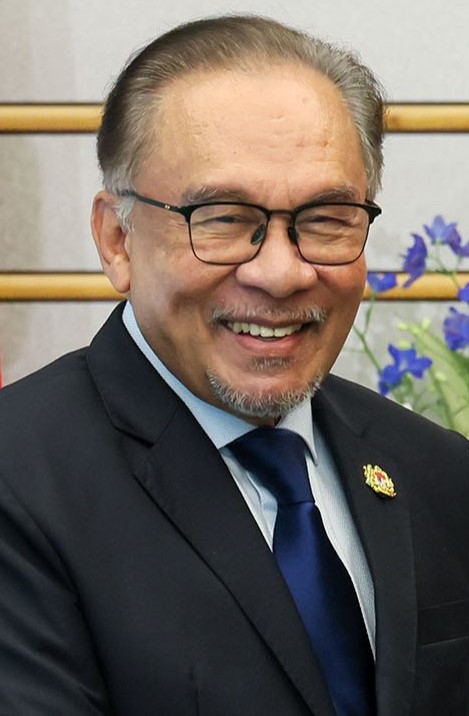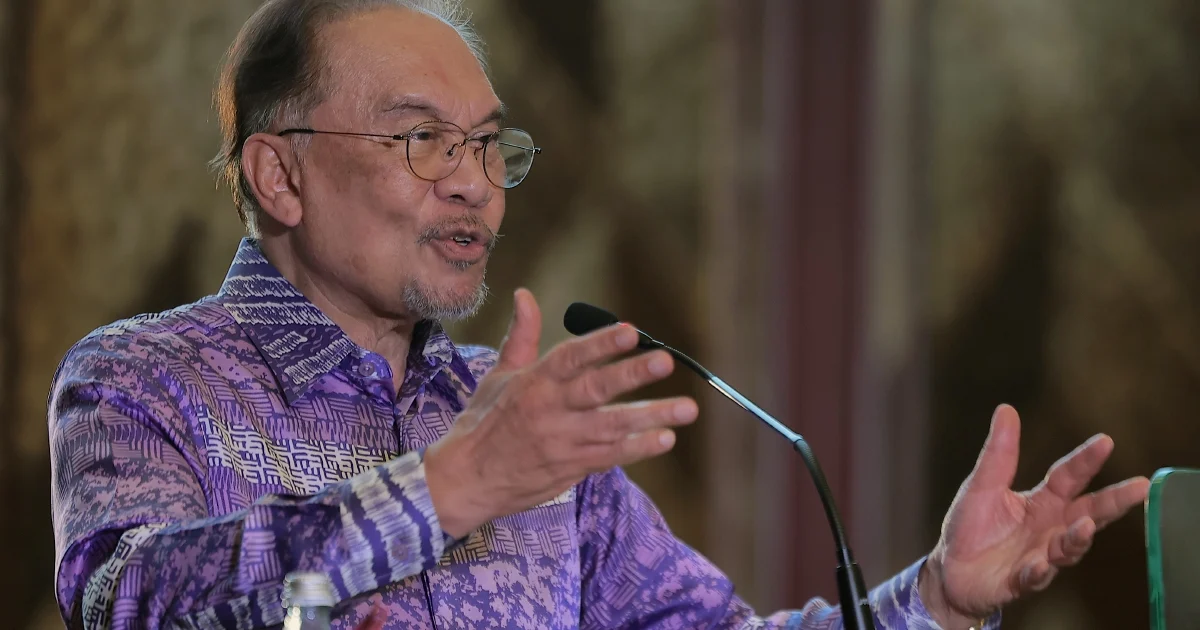
Prime Minister Datuk Seri Anwar Ibrahim will undertake a significant diplomatic mission to Kazan, the capital of the Republic of Tatarstan, beginning June 17 for a two-day working visit that reflects Malaysia's strategic engagement with Russia and its regions during a period of shifting geopolitical alignments in Asia and beyond. The visit marks an important moment for bilateral relations between Kuala Lumpur and Moscow, as Malaysia seeks to maintain balanced international partnerships while navigating complex regional dynamics.
During his time in Kazan, Anwar Ibrahim is scheduled to meet with Rustam Minnikhanov, the Rais of the Republic of Tatarstan, a key political figure who leads one of Russia's most economically developed and geographically significant regions. This high-level engagement underscores the importance both capitals place on direct dialogue and the exploration of mutually beneficial cooperation frameworks that extend beyond conventional bilateral channels.
The timing of the prime minister's journey is particularly noteworthy given Malaysia's position as chair of Asean and its efforts to strengthen collective regional diplomacy. By visiting Russia through one of its major territorial entities, Anwar Ibrahim's delegation signals Asean's commitment to engaging with diverse actors on the global stage, even as traditional Western partnerships remain important. This reflects a broader Malaysian foreign policy doctrine that emphasizes non-alignment and the cultivation of pragmatic relationships across multiple regions.
Tatarstan represents a unique opportunity for Malaysian engagement with Russia beyond Moscow proper. As a resource-rich region with significant economic, educational, and cultural influence within the Russian Federation, Tatarstan offers avenues for cooperation in sectors ranging from energy and trade to academic and cultural exchanges. The region's strategic position spanning Europe and Asia makes it a natural focal point for nations pursuing diversified international partnerships.
The working visit format suggests a substantive agenda rather than ceremonial engagement. Malaysian diplomats typically structure such visits to address concrete areas of cooperation, whether in trade facilitation, investment promotion, or people-to-people connections. The two-day duration allows for multiple meetings and discussions that can explore partnership opportunities and address bilateral matters of mutual interest.
For Malaysia, strengthening ties with Russia and its constituent regions serves several strategic objectives. Energy security remains a critical consideration for the Malaysian economy, and maintaining robust dialogue with major hydrocarbon producers and exporters helps ensure stable supply chains and favorable terms. Additionally, cultural and educational exchanges with Russia have historically enriched Malaysian society, with Russian universities attracting Malaysian students and Russian cultural institutions maintaining active engagement programmes throughout Southeast Asia.
From the Asean perspective, this visit contributes to the bloc's broader strategy of engaging major powers and diverse international actors on issues ranging from regional security to economic cooperation. Malaysia's initiatives in this regard help position Asean as a serious, independent diplomatic force capable of maintaining relationships across traditional geopolitical divides. This approach has become increasingly important as Asean nations navigate pressures from competing powers seeking influence in the region.
The visit also occurs within the context of Malaysia's active role in international forums and its commitment to finding cooperative solutions to global challenges. Anwar Ibrahim has consistently advocated for dialogue-based approaches to international relations, and his engagement with Russian leadership reflects this philosophy. Such direct engagement creates opportunities to understand varying perspectives on international issues and to explore areas of common interest, even where disagreements exist on other matters.
Bilateral economic relations between Malaysia and Russia have potential for expansion across multiple sectors. Beyond traditional trade arrangements, there are opportunities for technology transfer, joint ventures in emerging industries, and cooperation on climate and environmental initiatives. A working visit of this nature typically explores mechanisms to remove barriers to trade and investment, while identifying new partnership opportunities that benefit both nations' economic objectives.
The involvement of Malaysian diplomatic personnel in preparing and executing this visit demonstrates the significance placed on the engagement. Detailed planning ensures that discussions between Anwar Ibrahim and Rustam Minnikhanov address substantive issues while building personal rapport between leaders. Such relationship-building is essential for sustaining long-term diplomatic partnerships and creating frameworks for future cooperation.
For Southeast Asian observers, this diplomatic movement illustrates Malaysia's commitment to independent foreign policy and its role as a bridge-builder within Asean. By engaging constructively with various international partners, including Russia, Malaysia helps maintain the regional bloc's centrality in regional affairs and prevents any single power from dominating the diplomatic landscape. This balancing act has been a hallmark of Malaysia's international relations strategy for decades.
The Kazan visit also demonstrates the continued relevance of track-two and regional diplomacy in an increasingly multipolar world. Rather than limiting engagement to capital cities and national governments, Malaysian foreign policy recognizes the importance of regional actors and subnational entities in shaping international relations. Tatarstan's significance within Russia's political and economic structure makes it a valuable partner for Malaysia's diplomatic initiatives.