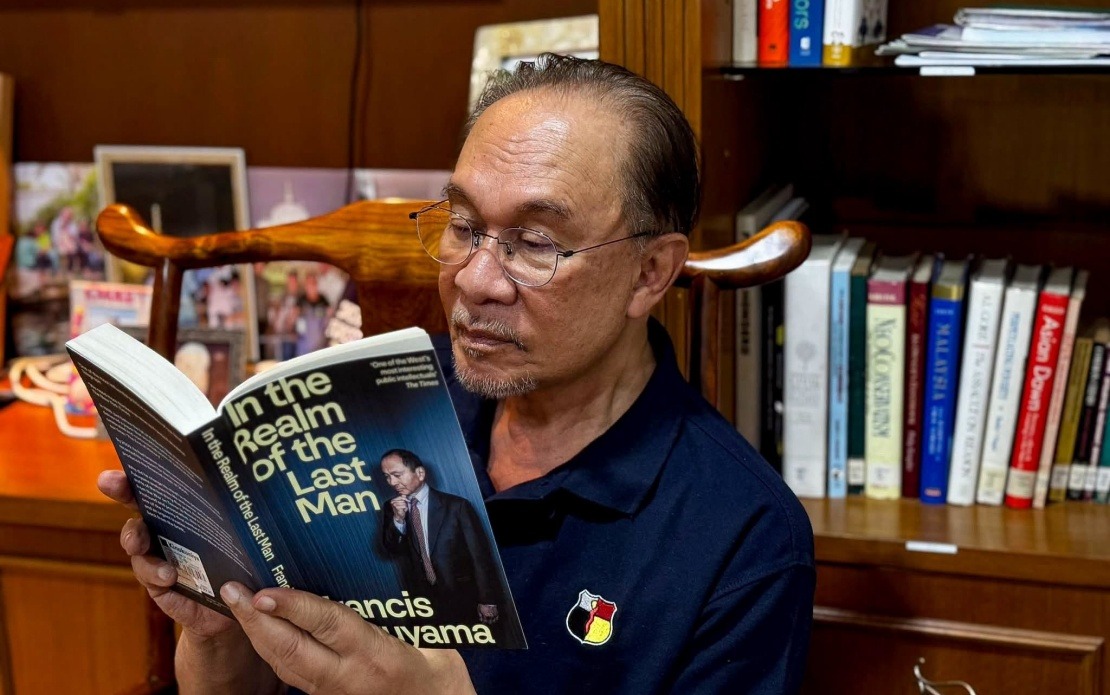
Prime Minister Datuk Seri Anwar Ibrahim has returned to his residence in Kuala Lumpur after being released from hospital, marking the completion of his medical treatment and recovery period from a scheduled surgical procedure. The timing of the discharge came as expected, with Anwar sharing news of his homecoming through a social media post that included a photograph of himself seated with a book, accompanied by a brief message expressing gratitude for his safe return.
The Prime Minister underwent an elective laparoscopic surgical intervention on Monday to address a para-umbilical hernia, a relatively common abdominal condition where tissue protrudes through the abdominal wall near the navel. The procedure itself, classified as elective rather than emergency surgery, had been planned in advance to address the medical issue before it could potentially develop complications. Medical specialists maintained continuous observation throughout Anwar's hospital stay to ensure the surgery's success and monitor his post-operative recovery trajectory.
Datuk Seri Dr Wan Azizah Wan Ismail, the Prime Minister's wife, had previously indicated to media outlets that her husband would be discharged on the day he returned home, pending satisfactory progress in his recovery. Her statement provided families and colleagues with clarity regarding the expected timeline for Anwar's departure from medical care. This transparent communication helped manage public expectations and demonstrated the family's confidence in his recovery prospects.
The discharge represents a significant milestone for Malaysia's political leadership, as the head of government resumes his regular routines following a period of medical intervention. Laparoscopic procedures, which involve small incisions and the use of specialized instruments, typically allow for faster recovery compared to traditional open surgery, enabling patients to return to normal activities more quickly. The choice of this minimally invasive technique for treating the hernia reflected contemporary surgical best practices and the availability of advanced medical resources within Malaysia's healthcare system.
For the Malaysian public and international observers, the situation underscores the importance of leadership continuity and transparency regarding the health status of senior political figures. Anwar's decision to proceed with planned medical treatment and communicate openly about the process has set a standard for how government leaders can handle health matters while maintaining public confidence. The brevity of his hospital stay and the straightforward nature of the procedure demonstrated that the Prime Minister's condition did not pose obstacles to his continued governance.
The recovery process following laparoscopic hernia repair typically involves restrictions on heavy lifting and strenuous activity for several weeks, though patients generally resume sedentary work relatively quickly. This means Anwar would likely be able to engage in office-based duties and meetings while allowing his surgical site to heal properly. The comprehensive medical team monitoring his progress would provide guidance on when he could fully resume all his official duties without limitation.
From a broader perspective, Anwar's experience reflects healthcare experiences familiar to many Malaysian citizens who undergo elective surgical procedures annually. The accessibility and quality of treatment available to him also represents the standards that exist within Malaysia's medical infrastructure. His recovery serves as a reminder that modern surgical techniques have made many previously serious procedures routine interventions that need not significantly disrupt professional or personal lives.
The political implications of Anwar's absence during his hospital stay were minimal, as the duration was brief and the procedure had been anticipated. Government operations continued normally during his recovery period, with deputy ministers and cabinet colleagues managing routine affairs. This seamless continuity demonstrates the institutional robustness of Malaysia's administrative structure and the depth of capability within the current cabinet.
Moving forward, observers will monitor how quickly Anwar returns to a full schedule of public engagements and international diplomatic activities. His recovery provides an opportunity to assess how the Prime Minister manages workload and personal health maintenance alongside demanding governance responsibilities. The successful navigation of this medical episode may influence public perception of his ability to manage the substantial stresses inherent in his position.

