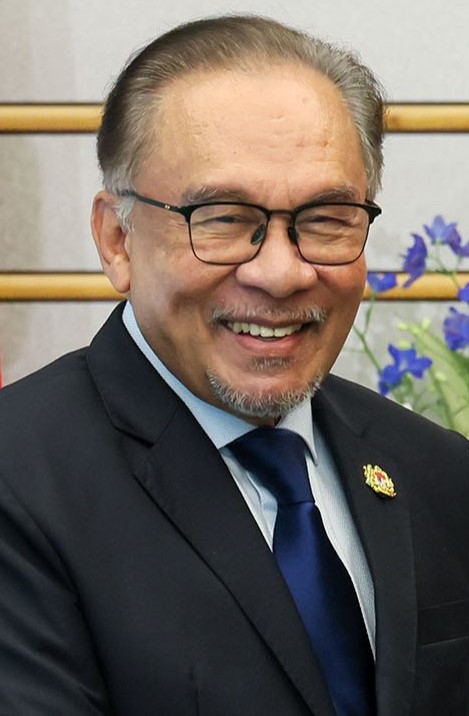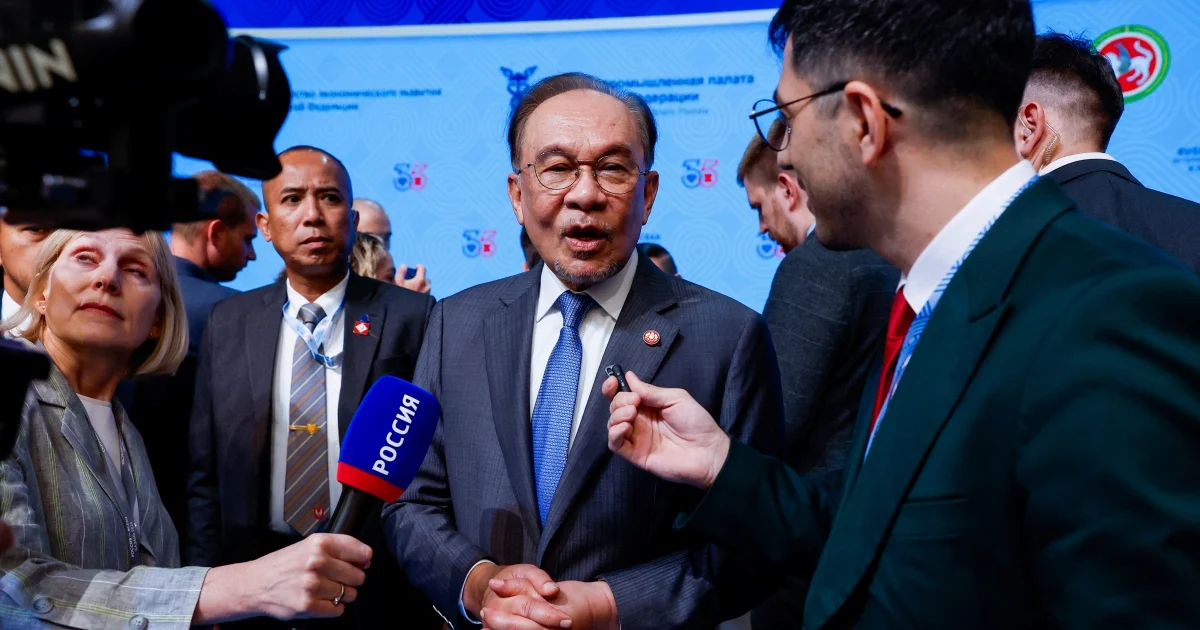
Prime Minister Datuk Seri Anwar Ibrahim has disclosed a personal appreciation for Russian music and literature during his time in Kazan, drawing attention to an often-overlooked dimension of international relations. His remarks highlight a growing recognition within Malaysian diplomatic circles that soft power through the arts and intellectual traditions can be equally consequential to trade agreements and investment flows when cultivating stronger bonds between nations. The admission reflects a more rounded approach to statecraft that reaches beyond the transactional realm into the shared cultural and intellectual spaces where peoples genuinely connect.
Anwar's openness about his cultural interests carries particular significance at a moment when Malaysia is actively repositioning itself within the global order. By publicly acknowledging appreciation for Russian artistic and literary traditions, the Prime Minister signals that Malaysia's engagement with major powers encompasses more than commercial calculation. This stance aligns with Malaysia's longstanding foreign policy principle of non-alignment and its traditional emphasis on building relationships across geographical and ideological boundaries. Cultural appreciation becomes, in this context, a form of diplomatic currency that costs little but communicates respect and genuine interest.
Russian literature and music occupy distinctive places in the global cultural pantheon. The country's literary tradition has produced enduring works that explore profound questions about human existence, morality, and social order—themes that resonate across cultures and centuries. Russian composers similarly rank among history's most celebrated musicians, their symphonies and chamber works remaining staples of concert halls worldwide. For a Malaysian leader to publicly express fondness for these traditions acknowledges their universal significance while subtly repositioning Russia beyond geopolitical caricature into the realm of cultural contribution that transcends political boundaries.
The timing of Anwar's remarks, made in Kazan itself, underscores the deliberate nature of cultural diplomacy. Kazan serves as a major cultural and intellectual hub within Russia, home to diverse communities and a thriving artistic scene. By making these comments in situ, Anwar demonstrates more than superficial interest; he positions Malaysia as a nation that values and engages with Russian civilization on its own terms rather than viewing it solely through an external lens. This approach can lay groundwork for deeper people-to-people connections that eventually facilitate smoother official relations.
For Malaysia specifically, emphasizing cultural dimensions of international relations offers several practical advantages. The nation has historically served as a bridge between different civilizations and worldviews, and reinforcing this identity through genuine cultural engagement strengthens that positioning. Educational exchanges, artistic collaborations, and intellectual partnerships with Russia could enrich Malaysian society while enhancing mutual understanding. Young Malaysians studying Russian language and literature, or engaging with Russian artistic traditions, gain exposure to different philosophical frameworks and creative traditions that broaden their worldviews.
Anwar's comments also reflect broader trends within Southeast Asian diplomacy. As ASEAN nations navigate great power competition and seek to maintain strategic autonomy, cultural and intellectual engagement offers a pathway to relationship-building that avoids the zero-sum dynamics of military or economic competition. By treating Russian cultural contributions with respect and interest, Malaysia models an approach that other nations in the region might emulate, potentially creating spaces for dialogue and understanding that transcend geopolitical friction.
The assertion that cultural exchange carries weight equivalent to economic cooperation challenges conventional hierarchies within international relations frameworks. While business partnerships and trade arrangements certainly matter, they often fluctuate based on market conditions and strategic calculations. Cultural connections, by contrast, tap into deeper reservoirs of human understanding and aesthetic appreciation that prove more durable across political transitions. When citizens of different nations share appreciation for similar artistic or literary traditions, they create informal networks of connection that can provide stability during periods of official diplomatic tension.
For Malaysia's creative industries and cultural sector, such top-level endorsement of international artistic appreciation can have tangible benefits. It sends signals to government agencies, educational institutions, and private organizations that cultural programming deserves investment and strategic attention. Expanded teaching of Russian language, increased translation of Russian literary works into Malay and English, and collaborative cultural events between Malaysian and Russian institutions could all flow from this kind of high-level recognition of cultural importance.
The context of Anwar's remarks—made during what was clearly an official visit to Russia—indicates that cultural appreciation is being integrated into Malaysia's diplomatic toolkit. Rather than treating arts and literature as separate from statecraft, contemporary diplomacy increasingly recognizes them as integral components of relationship-building. This represents a maturing of Malaysia's foreign policy apparatus, one that understands modern power encompasses attraction and respect beyond military capability or economic size.
Looking forward, Anwar's elevation of cultural exchange as a diplomatic priority could encourage formal mechanisms for deeper Malaysia-Russia cultural cooperation. Film festivals, literary translation programs, academic exchanges, and joint cultural initiatives between institutions in both countries could expand significantly. Such activities simultaneously serve national interests—building soft power and diplomatic influence—while enriching civil society in both nations through exposure to different creative traditions and intellectual perspectives.
The broader implication extends beyond the bilateral Malaysia-Russia relationship. As geopolitical tensions rise globally and competition intensifies, nations increasingly recognize that culture offers a relatively safe arena for engagement and dialogue. By emphasizing Russian music and literature, Anwar contributes to an international narrative suggesting that even amid strategic rivalry, nations can find common ground in shared appreciation for human creativity and artistic achievement. This humanizing dimension of international relations, often overlooked in analyses focused purely on power politics, may prove increasingly valuable as the world navigates complex multipolar dynamics.