%22%2F%3E%3C%2Fpattern%3E%3C%2Fdefs%3E%3Crect%20width%3D%22100%25%22%20height%3D%22100%25%22%20fill%3D%22url(%23ph1glw1g)%22%2F%3E%3Crect%20width%3D%22100%25%22%20height%3D%22100%25%22%20fill%3D%22url(%23ph1glw1p)%22%2F%3E%3Ctext%20x%3D%2250%25%22%20y%3D%2250%25%22%20text-anchor%3D%22middle%22%20dominant-baseline%3D%22central%22%20fill%3D%22rgba(255%2C255%2C255%2C0.95)%22%20font-family%3D%22Georgia%2C%20'Times%20New%20Roman'%2C%20serif%22%20font-weight%3D%22700%22%20font-size%3D%22272%22%20letter-spacing%3D%22-0.02em%22%3EAnwar%3C%2Ftext%3E%3C%2Fsvg%3E)
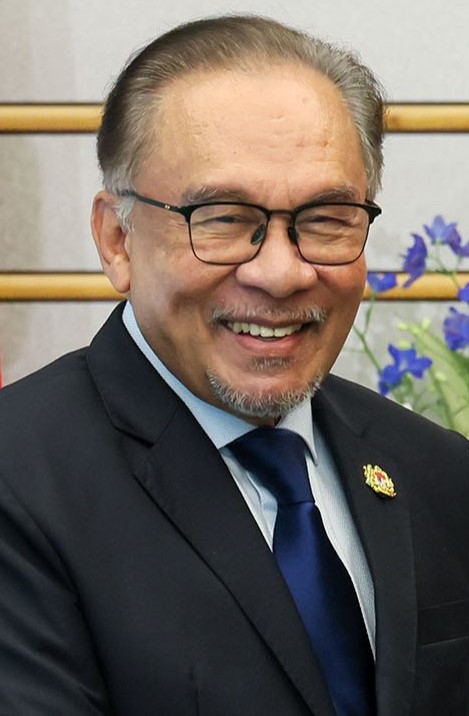
Prime Minister Datuk Seri Anwar Ibrahim touched down in Kazan today to begin a two-day working visit centred on strengthening ties between Asean and Russia. The Malaysian leader's trip represents a significant diplomatic engagement at a time when regional powers are recalibrating their relationships amid shifting geopolitical currents across Asia and beyond. His presence at the Asean-Russia talks underscores Malaysia's continued commitment to maintaining balanced and substantive relationships with major global actors while upholding Asean's centrality in regional affairs.
The timing of Anwar's journey to Russia's historic city carries particular weight given the evolving strategic landscape in Southeast Asia. As one of the region's most influential economies and a consistent voice in regional forums, Malaysia's participation in high-level bilateral and multilateral discussions helps shape the contours of Asean's engagement with non-regional powers. Russia, despite geographic distance, maintains substantial stakes in maritime security, energy cooperation, and diplomatic influence across Southeast Asia, making dialogue mechanisms essential for transparency and understanding.
During the visit, officials are expected to explore a broad range of cooperation frameworks that extend beyond traditional trade channels. Energy security represents a critical dimension, given Russia's significance as a hydrocarbon supplier and Malaysia's ongoing demand for diversified energy sources. The discussions will likely touch on technological partnerships, educational exchanges, and potential investments in sectors where both sides possess complementary advantages. Such engagement allows Asean nations to maintain pragmatic relationships irrespective of broader geopolitical tensions that may exist elsewhere.
The Malaysian delegation's participation in these talks reflects Anwar's broader diplomatic strategy of engaging multiple powers without compromising Asean solidarity or regional autonomy. Malaysia has long advocated for the region to remain non-aligned and free from the pressures of great power competition. This balancing act becomes increasingly delicate as tensions between major powers reshape global alignments, but maintaining functional dialogue channels serves regional stability interests.
Peace and conflict prevention are anticipated to feature prominently in conversations. The region's maritime domains, including the South China Sea, remain focal points of concern for all stakeholders. While Russia's direct territorial interests differ from those of regional claimants, Moscow's role as a permanent UN Security Council member gives it significant influence in international peace mechanisms. Asean's interest in maintaining constructive dialogue with Russia partly stems from the need to ensure that major powers understand and respect the region's preferences for peaceful dispute resolution.
From Malaysia's domestic perspective, Anwar's diplomatic activism demonstrates commitment to strengthening the nation's international standing and expanding its network of partnerships. The Prime Minister has emphasised the importance of economic diplomacy and establishing relationships that generate tangible benefits for Malaysian businesses and workers. Engagement with Russia opens avenues for Malaysian companies in energy, palm oil, rubber, and technology sectors, even as global supply chains continue their restructuring.
The bilateral element of this visit, alongside the broader Asean-Russia framework, allows Malaysia to pursue both collective and individual national interests. Bilateral conversations typically address specific areas where Malaysia seeks cooperation, whether in defence, education, or commercial matters. These parallel tracks enable nations to advance tailored agendas while contributing to the collective diplomatic effort that defines Asean's engagement strategy.
Regional observers will likely scrutinise how these discussions address contemporary challenges affecting Southeast Asia. Climate change, transnational crime, pandemic preparedness, and cybersecurity represent issues where Asean and Russia share mutual interests despite differing geographic circumstances. The working visit creates space for pragmatic cooperation on technical matters where geopolitical positioning takes a backseat to problem-solving.
For Southeast Asia more broadly, maintaining active diplomatic channels with all major powers remains strategically prudent. Russia's presence in regional forums, while less prominent than that of China or the United States, provides a counterbalance in discussions and ensures that outcomes reflect genuine consensus rather than domination by any single actor. Malaysia's role in these conversations positions the nation as a bridge-builder committed to inclusive regional architecture.
The two-day format of Anwar's visit suggests substantive engagement beyond ceremonial exchanges. Extended working visits typically involve detailed policy discussions, business roundtables, and cultural exchanges that build relationship depth. Such intensity of engagement generates practical outcomes—memoranda of understanding, joint working groups, and commitments that translate diplomatic rhetoric into functional cooperation frameworks.
As Malaysia continues navigating a complex international environment, visits like this to Kazan reinforce the nation's commitment to active foreign policy and strategic autonomy. Anwar's presence at these talks sends a clear message that Malaysia values its relationships across the globe and refuses to be confined within any single sphere of influence. This approach, while sometimes challenging to execute, remains essential for a nation seeking prosperity and security in an interconnected but competitive world.