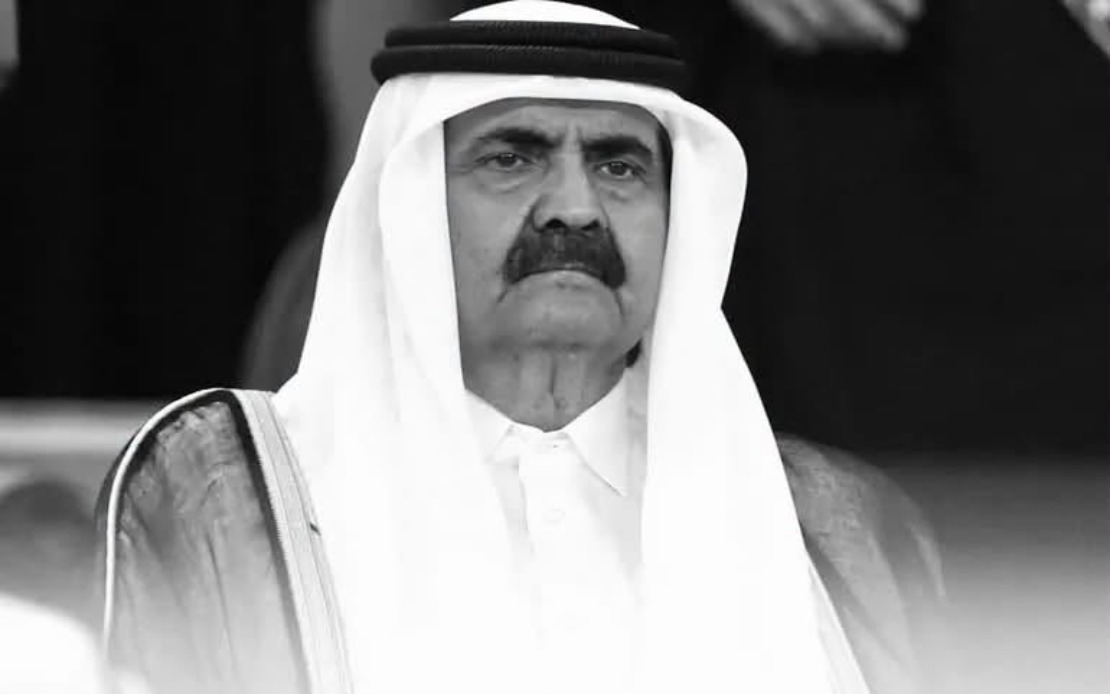
Prime Minister Datuk Seri Anwar Ibrahim has expressed Malaysia's condolences to Qatar's current Amir Sheikh Tamim bin Hamad Al Thani and the broader Qatari royal family and nation following the death of Sheikh Hamad bin Khalifa Al Thani, the Father Amir, who passed away on Sunday at the age of 74. Through a statement posted on social media, Anwar acknowledged the significant loss to Qatar and the wider Islamic world, recognising the distinguished legacy left by the late leader during a transformative period in the Gulf state's history.
Sheikh Hamad served as Amir of Qatar for 18 consecutive years, from 1995 until his voluntary handover of power in 2013 to his son, Sheikh Tamim. This period proved pivotal in reshaping Qatar's position on the global stage, elevating it from a relatively modest Gulf state to a nation wielding considerable economic and political influence. Under his stewardship, Qatar experienced unprecedented economic expansion, driven substantially by its vast natural gas reserves and subsequent development of the liquefied natural gas export sector, which would eventually position the country among the world's wealthiest nations per capita.
In his condolence message, Anwar drew particular attention to Sheikh Hamad's role in advancing Qatar's international standing and regional prominence. The Malaysian Prime Minister highlighted how the late Amir had steered Qatar toward becoming a respected participant in both regional and global affairs, earning influence across Middle Eastern politics and international relations more broadly. This ascendancy represented a remarkable transformation from Qatar's historical position as a smaller Gulf state with limited geopolitical reach into an active participant in major international developments and negotiations.
Anwar specifically commended what he characterised as a rare demonstration of political maturity and statesmanship in Sheikh Hamad's decision to relinquish power in 2013. Rather than clinging to authority, as many Middle Eastern leaders have historically done, Sheikh Hamad voluntarily entrusted governance to his son, enabling a peaceful transfer of power to a new generation of leadership. This transition, Anwar suggested, reflected not weakness but rather a thoughtful vision for Qatar's future stability and continuity, ensuring dynastic succession while allowing younger leadership to chart the nation's course forward during a rapidly evolving regional landscape.
The Malaysian Prime Minister characterised Sheikh Hamad as a steadfast ally to Malaysia and a figure commanding widespread respect throughout the Muslim world. This framing underscores the multilayered relationships that existed between Malaysia and Qatar at both governmental and broader Islamic community levels. Qatar's emergence as a major player in Islamic financing, education, and cultural initiatives under Sheikh Hamad's leadership had created multiple points of engagement with Malaysia and other Muslim-majority nations, strengthening diplomatic ties and fostering cooperation across economic and religious domains.
During Sheikh Hamad's tenure, Qatar made substantial investments in diversifying its economy beyond hydrocarbon exports, establishing itself as a hub for Islamic finance and establishing major educational institutions attracting international students. The nation also became increasingly active in regional mediation efforts and conflict resolution, leveraging its newfound wealth and diplomatic influence to play peacemaker roles across the Middle East and beyond. These initiatives enhanced Qatar's international standing and created networks of bilateral relationships that extended to nations such as Malaysia, where shared Islamic heritage and growing economic ties fostered deeper connections.
The timing of Sheikh Hamad's passing comes as Qatar continues operating under his son's governance, which has maintained many of the economic and diplomatic directions established during his father's era while introducing its own priorities and policies. Sheikh Tamim has sustained Qatar's substantial sovereign wealth investments, infrastructure development ambitions, and diplomatic engagement across global affairs. The transition of power between father and son in 2013 had been viewed as a smooth succession in a region where leadership changes frequently trigger instability or internal power struggles, reflecting the institutional stability that Sheikh Hamad had worked to establish.
Anwar's condolence message, delivered through Malaysia's official diplomatic channels via social media, reflects the importance Malaysia places on its relationship with Qatar and the broader Gulf Cooperation Council region. Given Malaysia's own historical experiences with political transitions and power transfers between generations, the Malaysian Prime Minister appeared to recognise in Sheikh Hamad's decision to step down a particularly noteworthy example of considered statecraft. This recognition carries implicit meaning within Malaysian political discourse, where questions of succession and generational leadership transitions remain ongoing concerns.
The death of Sheikh Hamad represents the conclusion of a significant chapter in Qatar's modern history and the Gulf region's development. His 18-year reign fundamentally altered Qatar's trajectory, converting hydrocarbon wealth into diplomatic influence and economic diversification. The economic foundations and international relationships established during his stewardship continue shaping Qatar's role in regional and international affairs under his son's continuation of the Qatari state's strategic vision. For Malaysia and other regional partners, Sheikh Hamad's passing marks the end of an era of leadership that fundamentally reshaped the geopolitical landscape of the Gulf and beyond.

