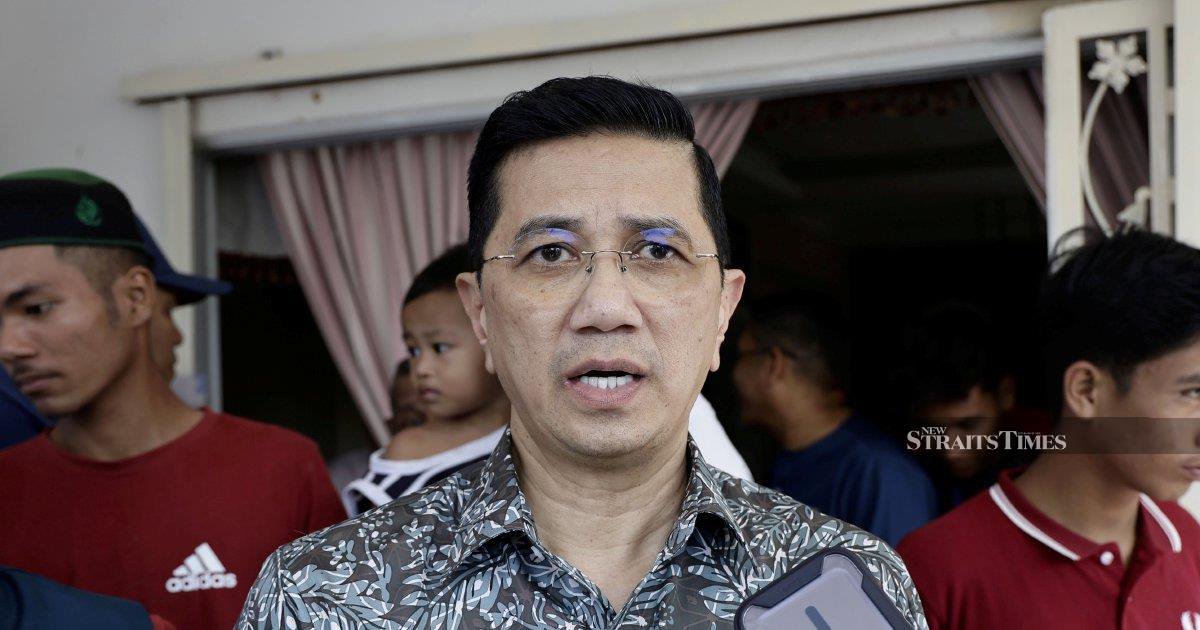
Prime Minister Datuk Seri Anwar Ibrahim has publicly challenged Datuk Seri Mohamed Azmin Ali's announcement that he will not return to PKR, suggesting the former deputy president's rejection may be premature and questioning the circumstances surrounding his departure from the party. The rhetorical jab marks another chapter in the complex relationship between the two Selangor-based politicians, whose alliance has fractured and reformed multiple times over the past decade.
Azmin Ali, who held significant influence within PKR as deputy president before stepping away, had made clear his decision to remain outside the party despite potential overtures. His position effectively closes a door that some party observers believed might eventually reopen, particularly given the fluid nature of Malaysian coalition politics where former rivals frequently reconcile. The timing of his statement appeared designed to quash speculation about his political future and his relationship with the ruling coalition.
Anwar's response, delivered with characteristic pointed humour, suggests the Prime Minister views Azmin Ali's statement as unnecessary or provocative. By questioning whether an invitation had actually been extended, Anwar appeared to downplay both the significance of Azmin Ali's refusal and the former deputy's continued relevance within PKR's internal dynamics. This rhetorical manoeuvre effectively reframed the narrative from Azmin Ali rejecting the party to a scenario where no formal reconciliation had been proposed.
The exchange reflects deeper tensions within PKR's leadership structure and the broader Malaysian political landscape, where personalities and factional interests often supersede ideological consistency. Azmin Ali's departure from PKR several years ago was marked by controversy and competing narratives about blame and betrayal. His subsequent movements through various political arrangements have kept him in public view but somewhat removed from the centre of power he once wielded within the party.
For Malaysian observers tracking coalition stability, this verbal sparring carries implications beyond mere personality clash. PKR remains central to the Pakatan Harapan opposition coalition and the government's parliamentary majority, making internal cohesion significant. Unresolved tensions between senior figures like Anwar and Azmin Ali could potentially complicate party management and coalition dynamics, particularly if factional divisions resurface during critical votes or policy decisions.
Azmin Ali currently operates within a different political framework, having aligned with various groupings and maintaining distinct bases of support, particularly in Selangor where he represents a significant constituency. His decision to publicly rule out PKR rejoin signals confidence in his current political position and suggests he sees no strategic advantage in reconciliation with his former party. This stance may also reflect calculations about his prospects within existing coalition arrangements and his assessment of future political opportunities.
The public nature of both statements—Azmin Ali's refusal and Anwar's dismissal—indicates both politicians are playing to their respective supporter bases. In Malaysian politics, such exchanges often serve multiple audiences: party members seeking reassurance, coalition partners assessing stability, and the broader electorate observing whether their leaders maintain consistent political relationships. Each statement becomes a signal of political confidence and positioning.
Historically, PKR has experienced significant leadership turbulence, with internal power struggles creating lasting divisions. Azmin Ali's prominence within these dynamics cannot be understated, as his moves have frequently triggered broader political realignments. His resolution to stay outside the party, therefore, represents more than a personal career decision—it potentially signals finality to a particular chapter of internal party conflict and reshuffles the political landscape that Anwar must navigate.
The Prime Minister's response also reflects his current position of consolidated authority within PKR and the broader government. Anwar's willingness to publicly question Azmin Ali's statement suggests confidence that the party is stable and focused on governance priorities rather than internal reconciliation. This confidence may be warranted given PKR's role in maintaining the parliamentary coalition, though latent factional tensions always pose potential risks in Malaysian political configurations.
Looking forward, the implications for Southeast Asian regional politics remain modest but notable. Malaysia's domestic political stability influences its engagement with regional bodies like ASEAN, and leadership coherence within ruling coalitions affects policy consistency. While Anwar-Azmin tensions are primarily domestic matters, they reflect the kind of internal pressure that occasionally influences Malaysia's external positions on regional issues.
The exchange also provides insight into how Malaysian political figures manage public disagreements while maintaining governmental function. Rather than escalating tensions into open conflict, both Anwar and Azmin Ali appear to be establishing clear boundaries about their respective political positions through carefully calibrated public statements. This approach allows both men to signal to their supporters while theoretically leaving room for future developments should political circumstances shift.
Ultimately, the Anwar-Azmin Ali dynamic represents a recurring pattern in Malaysian politics where ideological alignment matters less than personal positioning and factional interest. As long as their current arrangements serve their respective political objectives—Anwar's role as Prime Minister and Azmin Ali's place within his current political configuration—the need for reconciliation remains limited. The Prime Minister's dismissal of Azmin Ali's statement may prove definitive or may represent merely another tactical move in a relationship that has surprised observers before.

