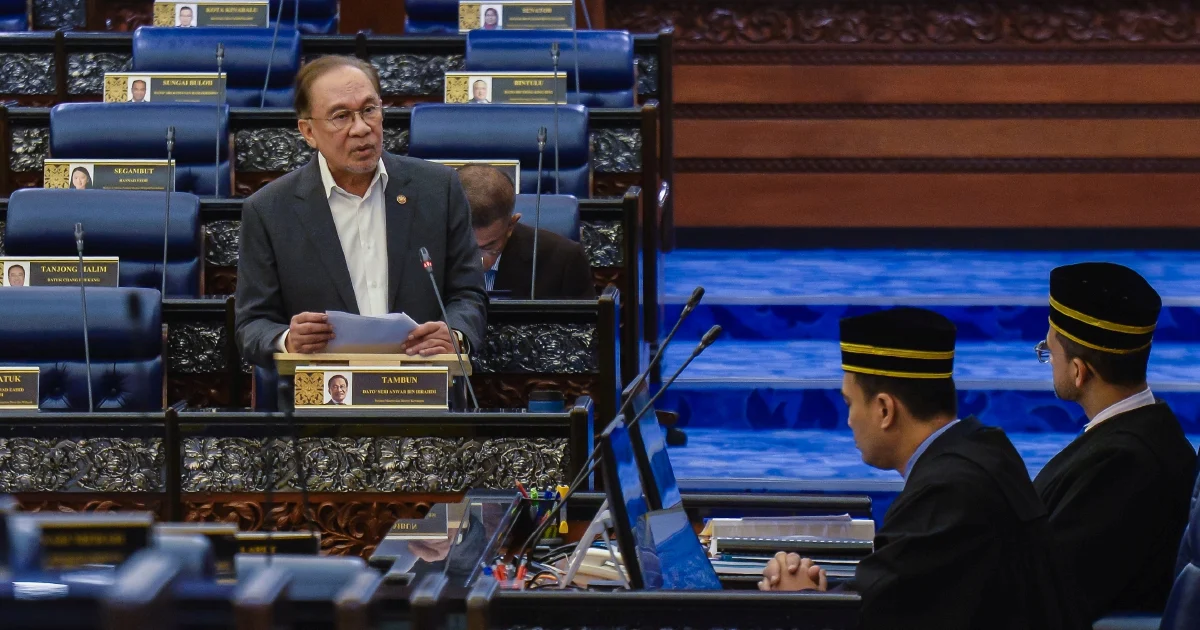
Prime Minister Datuk Seri Anwar Ibrahim has moved to quash suggestions that he personally intervened to halt the 2026 Johor Felda Settlers' Day commemoration scheduled for Kluang, dismissing the allegation as unfounded during a statement this week. The clarification comes amid earlier reports that indicated the celebration had been shelved without clear explanation, triggering questions about decision-making within government circles regarding the event's future.
The Felda Settlers' Day gathering represents a significant cultural and commemorative occasion for members of the Federal Land Development Authority scheme, whose families have historically depended on the organisation's support structure. The Kluang venue holds particular importance as a focal point for Johor-based settlers, making the event's cancellation a matter of concern across affected communities. Any suggestion that high-level intervention had derailed plans for the gathering would carry implications about government support for these communities and their traditional observances.
Anwar's denial appears designed to prevent speculation that governmental tensions or policy disagreements had influenced the event's fate. By explicitly stating he had not issued cancellation orders, the Prime Minister sought to distance himself and his office from responsibility for disruptions to the celebration plans. Such clarifications typically emerge when confusion has spread sufficiently to reach senior leadership, indicating the matter had gained traction within government communications and public discourse.
The Felda scheme constitutes one of Malaysia's most significant agricultural and rural development initiatives, having transformed settlement patterns across the peninsula since its establishment. Settlers and their descendants form a consolidated constituency with historical ties to the government structure, and any perception of neglect regarding their commemorative events carries political ramifications. Events like the Kluang gathering serve both symbolic and practical functions, reinforcing community bonds among scheme participants whilst acknowledging their contributions to rural development narratives.
Questions persist about who bears responsibility for any decisions affecting the event, whether cancellation reflected resource constraints, administrative oversights, or deliberate policy choices. The timing of such clarifications often reveals which institutions or officials faced criticism, as senior figures typically intervene when subordinate agencies or departments have triggered unwanted attention. Anwar's statement suggests that responsibility for the reported cancellation may lie elsewhere within the bureaucratic chain rather than emanating from the Prime Minister's own office.
Felda settlements remain economically and socially significant across Malaysia, particularly in states like Johor where agricultural schemes established decades ago continue shaping local livelihoods. The constituency encompasses diverse economic interests and long-standing relationships with government agencies, making the treatment of Felda-related events a matter of broader significance beyond mere ceremonial considerations. Settlers' descendants increasingly pursue varied employment pathways, yet maintain attachment to their ancestral settlement heritage and associated community frameworks.
The 2026 date for the proposed celebration suggests planning processes that should have extended well into advance preparation phases, making unexpected cancellations particularly disruptive to organisational planning and community expectations. Such events typically involve coordinating multiple government agencies, inviting dignitaries, arranging logistics, and cultivating media coverage, requiring months of preparatory work. An abrupt cessation of proceedings would necessitate explaining the disruption to stakeholders at various levels.
For Malaysian readers in Johor specifically, the clarification carries implications about government responsiveness to regional constituencies and their cultural observances. State-level commemorative events often reflect broader relationships between federal authorities and local communities, with cancellations or delays frequently interpreted as signals about political prioritisation or available resources. Anwar's intervention suggests recognition that perception matters significantly when dealing with constituencies holding historical claims on government attention.
The incident illustrates how misinformation or miscommunication regarding government decisions can propagate through bureaucratic structures, necessitating senior-level clarifications to restore accurate understanding. Whether the event's status remains uncertain despite the Prime Minister's denial, or whether conflicting reports confused different administrative decisions, remains unclear from available information. Such situations highlight the importance of clear governmental communication about significant community events, particularly those affecting organised constituencies like Felda settlers.
Moving forward, the clarification may prompt reviews of decision-making processes regarding Felda-related celebrations, ensuring consistency between communicated plans and actual implementation. Government agencies involved in event planning will likely face implicit pressure to maintain scheduled programmes unless genuine constraints necessitate postponement or modification. The Prime Minister's statement effectively reasserts his office's stance on supporting Felda community observances, whilst leaving open questions about operational responsibilities and practical planning challenges that may persist in bringing the 2026 event to realisation.

