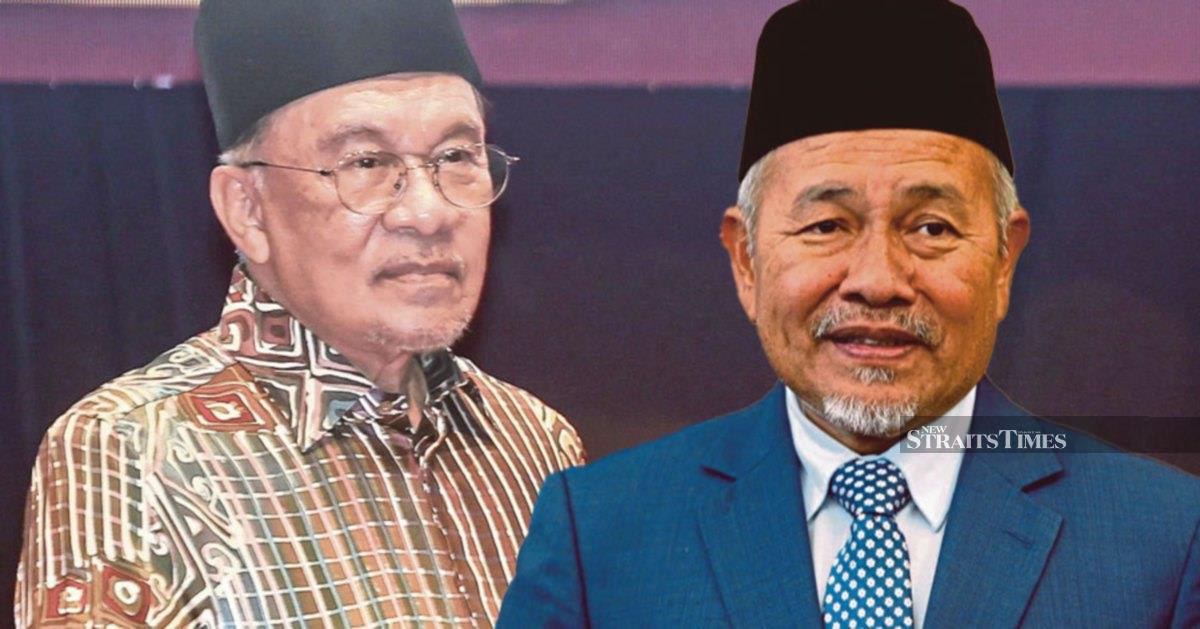
Prime Minister Datuk Seri Anwar Ibrahim has escalated a political dispute with the opposition by issuing a formal letter of demand to PAS deputy president Datuk Seri Tuan Ibrahim Tuan Man, alleging that the senior Islamic party figure made defamatory statements against him outside Parliament last month. The legal move represents a significant hardening of tone between the government and the opposition Islamic party, and underscores the intensifying personal animosity that has characterised Malaysian politics in recent months.
The letter of demand, a preliminary legal step short of court action, seeks a retraction and apology for statements the Prime Minister's office claims were false and damaging to his reputation. Such letters are typically issued by lawyers acting on behalf of an aggrieved party before pursuing more formal defamation proceedings. This approach gives the recipient an opportunity to withdraw the offending remarks or face litigation, and their response often determines whether the matter escalates to the courts.
Tuan Ibrahim, who holds significant influence within PAS as the party's number two, has been an outspoken critic of the current government despite the coalition arrangements that existed between PAS and the ruling alliance in various states. The specific statements referenced in the letter relate to remarks made outside Parliament, suggesting they fall outside parliamentary privilege protections that would ordinarily shield lawmakers from defamation liability for statements made within the legislative chamber.
The incident reflects broader tensions within Malaysia's political landscape, where personal attacks and contested claims have become increasingly common. For Malaysian readers and those monitoring regional politics, this development signals the fragility of informal alliances and the willingness of senior political figures to pursue legal remedies in response to criticism. The involvement of PAS, a party that has significant grassroots support particularly in the peninsula's east coast states, adds complexity to the government's political positioning.
Anwar's decision to pursue this legal avenue rather than respond purely through political channels suggests his office views the statements as particularly egregious or damaging. Legal action in response to political speech carries reputational risks and can backfire if the public perceives the Prime Minister as thin-skinned or overly litigious. However, it also sends a signal that the government will not tolerate what it considers false personal attacks, a message that may resonate with supporters concerned about discourse standards in public life.
For PAS, the letter presents a dilemma. The party has maintained its independence from the federal government despite previous cooperation agreements, and responding to legal demands could be portrayed internally as capitulation to governmental pressure. Conversely, failure to respond adequately could result in a defamation judgment against Tuan Ibrahim personally, potentially affecting his political standing and exposing him to financial liability. The party's leadership will need to carefully calibrate their response to maintain internal cohesion while managing relations with the government.
The legal demand also highlights the ongoing role of defamation law in Malaysian politics, where senior figures have periodically resorted to such suits against critics. The effectiveness of these measures in improving political discourse remains debatable, and legal action can sometimes amplify the original statements through media coverage, paradoxically increasing their circulation.
Background context reveals that PAS has been navigating a complex political position, maintaining state administrations in Kelantan and Terengganu while managing its relationship with federal authority. The party's deputy president wields considerable influence over party direction and messaging, making any legal action against him a matter of internal party significance as well as a personal legal dispute.
The timing of the letter, coming several weeks after the original statements, suggests that deliberation occurred within the Prime Minister's office regarding the appropriate response. This measured approach, rather than immediate retaliation, indicates that legal advisors likely counselled that the statements provided sufficient grounds for a formal demand. The response from Tuan Ibrahim and PAS will be closely watched by political observers, as it may indicate the trajectory of government-opposition relations in the coming months.
This dispute occurs within a broader context of Malaysian politics characterised by fluid coalition arrangements and personal political rivalries that sometimes override institutional party loyalties. The involvement of defamation law adds a legal dimension to what remains fundamentally a political conflict, raising questions about the appropriateness of judicial mechanisms in resolving disputes that might better be managed through political dialogue.
Observers of Malaysian politics note that such legal moves can either reinforce existing political divides or, conversely, prompt behind-the-scenes negotiations that cool tensions. The coming weeks will reveal whether this letter of demand leads to a settlement, an apology, or escalation to actual litigation, each outcome carrying different implications for the stability of the government and the tone of political discourse in the country.

