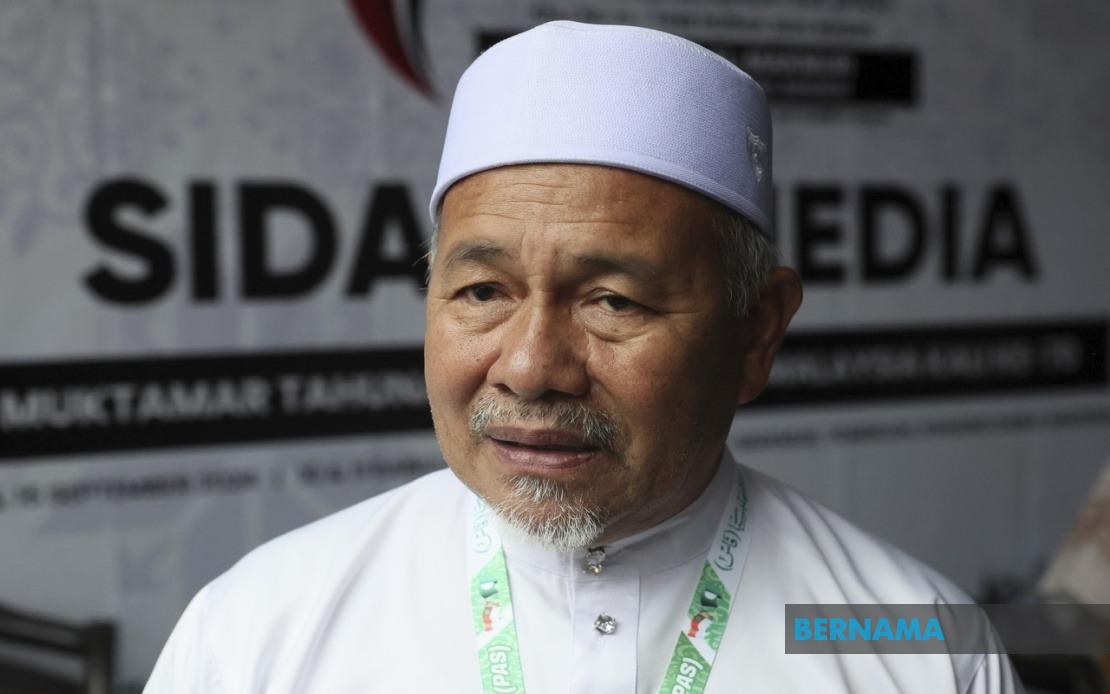
Prime Minister Datuk Seri Anwar Ibrahim has escalated a political dispute with PAS deputy president Datuk Seri Tuan Ibrahim Tuan Man by issuing a formal legal demand for a public apology over statements he considers defamatory. The move, announced through his legal representative on July 30, represents a significant hardening of the government's stance against parliamentary opposition figures and reflects the intensifying political tensions within Malaysia's coalition landscape.
According to Datuk SN Nair, the Prime Minister's lawyer, the remarks at the centre of the dispute were made outside Parliament on June 14 and subsequently amplified through social media platforms, extending their reach far beyond the initial utterance. This distinction between the original context and the digital republication carries particular weight in defamation law, as it demonstrates a pattern of sustained dissemination rather than a single isolated comment. The timing of the legal action—more than a month after the initial remarks—suggests a deliberate decision to pursue formal legal remedies rather than dismiss the matter as routine political rhetoric.
The letter of demand itself contains three distinct demands that escalate in severity. Tuan Ibrahim is required to immediately retract the statements in their entirety, a step that would constitute a formal acknowledgement of wrongdoing. Beyond mere withdrawal, the demand requires an unconditional public apology, which carries significant reputational implications for a senior party figure. The third element—a written undertaking to refrain from making similar allegations in future—establishes a quasi-legal restraint on his public statements going forward, essentially creating a documented warning against future conduct.
The financial component of the demand adds substantial pressure to comply. The requirement to pay damages and cover legal costs represents a tangible economic consequence, though the specific amounts have not been disclosed at this stage. For a political figure, the combination of public humiliation through a forced apology, financial liability, and the stigma of legal action can prove more damaging than the original alleged defamation, creating powerful incentives for settlement or capitulation.
The 48-hour ultimatum embedded in the legal demand is designed to force rapid decision-making while avoiding the appearance of extending indefinite grace periods. This timeframe is deliberately short—long enough to consult with legal advisors and party leadership but insufficient for protracted negotiation or delay tactics. Nair's explicit statement that his office has been instructed to commence legal proceedings without further notice if the deadline passes removes any ambiguity about consequences, transforming the letter from a negotiating position into a binding commitment.
This legal confrontation occurs within the broader context of Malaysia's delicate political balance. The relationship between the Prime Minister's PKR and the Islamist PAS party has always been complicated, particularly given their competing claims to represent Malaysian Muslims and their divergent policy orientations. The decision to pursue legal action against a coalition partner, or former alliance member, suggests either a fundamental breakdown in political relations or a calculation that the reputational cost of escalation is outweighed by the need to establish boundaries around permissible criticism.
The nature of the allegations themselves remains somewhat opaque from the publicly available information. However, the seriousness with which the Prime Minister's legal team is pursuing the matter—combined with the comprehensive nature of the demands—indicates that the statements in question were sufficiently serious to warrant formal legal intervention. In Malaysian politics, where personal attacks and character assassination remain common currency, the decision to resort to the courts rather than respond through parliamentary debate or media channels itself conveys a message about the perceived gravity of the offence.
From a legal perspective, defamation cases in Malaysia require proof that statements were false, were communicated to third parties, caused damage to reputation, and were made without privilege. The fact that Anwar's team has proceeded with a formal demand suggests they believe they have a reasonable basis for such a claim. However, the political dimension complicates the legal analysis, as courts must balance freedom of speech—particularly for elected representatives discussing matters of public concern—against personal reputation rights. Previous defamation cases involving Malaysian politicians have produced mixed outcomes, with courts sometimes finding insufficient evidence of falsity or distinguishing between verifiable facts and protected opinion.
The role of social media in this dispute merits particular attention for Malaysian readers and policymakers. The reproduction of statements across digital platforms, often through multiple accounts and with editorial commentary, creates a perpetual renewal of the original alleged defamation. This aspect may strengthen Anwar's position by demonstrating sustained damage and ongoing circulation of the problematic content, distinguishing the case from a simple one-off utterance that fades naturally from public consciousness.
The PAS party faces a strategic dilemma in responding to this demand. Capitulation through a public apology would damage Tuan Ibrahim's standing within the party and among its base, potentially triggering questions about his fitness for senior office. Conversely, defiant rejection invites expensive litigation and the risk of a court judgment that would be equally damaging. A middle path of negotiated settlement, while avoiding full public apology, remains theoretically possible but requires both sides to demonstrate flexibility.
For the broader Malaysian political environment, this episode underscores how legal mechanisms are increasingly weaponised in political disputes. The availability of defamation law as a tool for politicians to constrain each other's speech creates a chilling effect on political discourse, with speakers obliged to calculate not only political but legal consequences before making public statements. This trend has implications for parliamentary accountability and the robustness of political debate, as officials may become more cautious about raising potentially damaging allegations even when they believe them to be true.
The ultimate resolution of this matter will likely depend on factors beyond the immediate legal merits, including behind-the-scenes political negotiations, party leadership decisions, and calculations about broader coalition stability. In Malaysian politics, formal legal processes frequently intersect with informal political settlements, as parties seek to preserve working relationships while maintaining public postures of principle. Whether Tuan Ibrahim chooses to apologise, contest the demand, or seek a negotiated resolution will reveal much about current power dynamics within the PAS party and its relationship with the government.

