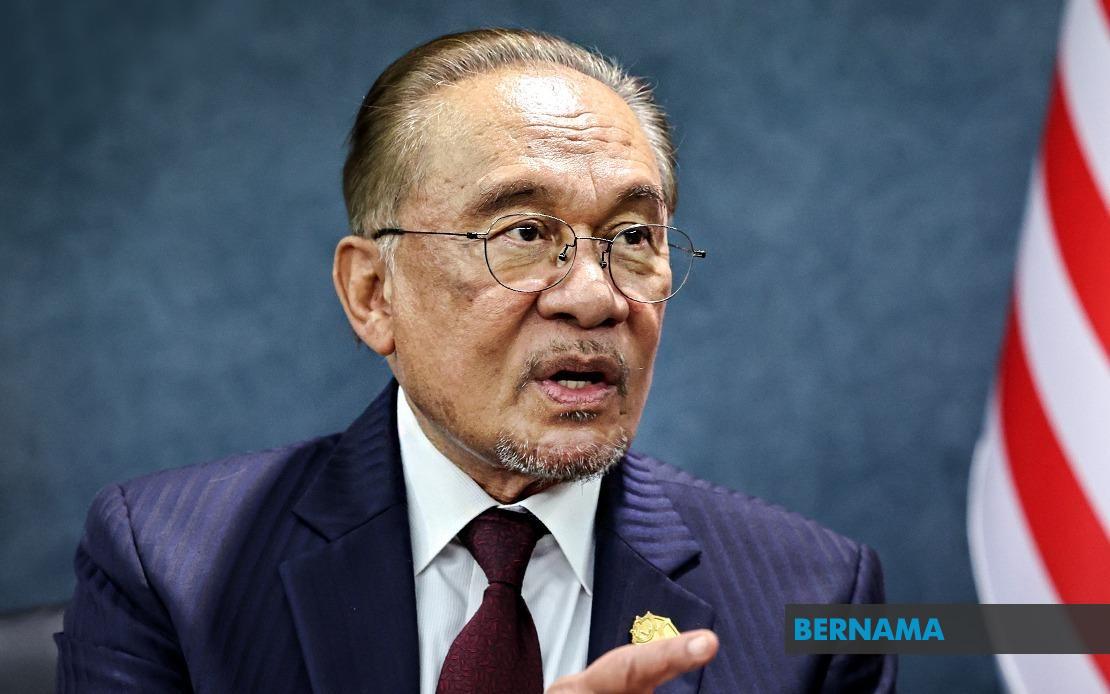
Prime Minister Datuk Seri Anwar Ibrahim marked the formal return of Senator Datuk Nur Jazlan Mohamed to his position as Deputy Senate President on July 20, offering his congratulations as the Dewan Negara resumed its sitting schedule. The reappointment represents continuity in the upper house's leadership, with Nur Jazlan securing a second term in the role, a testament to his standing among his peers and within government circles. The occasion also saw the reappointment of Senator Musoddak Ahmad, both of whom took their oath of office before Senate President Datuk Awang Bemee Awang Ali Basah in a formal parliamentary ceremony.
The Prime Minister's remarks came before the commencement of Question Time, the parliamentary period reserved for members to pose enquiries to ministers and senior officials. In his brief statement, Anwar extended formal acknowledgement to both senators, describing them as honourable members of the upper chamber deserving of recognition for their continued service. Such public recognition from the Prime Minister carries particular weight in Malaysia's parliamentary system, signalling government approval and reinforcing the importance of these institutional positions within the broader political structure.
Nur Jazlan's reappointment underscores the stability sought within Malaysia's legislative framework at a time when parliament continues to navigate complex policy agendas and oversight responsibilities. The Deputy Senate President role carries significant procedural authority, requiring the holder to facilitate debate, maintain order, and uphold parliamentary conventions. A second term suggests that Nur Jazlan has demonstrated competence in these duties and maintained the confidence of his fellow senators throughout his initial tenure.
The Dewan Negara, or Senate, occupies a distinctive position within Malaysia's bicameral parliament. Unlike the directly elected Dewan Rakyat, senators are appointed through various mechanisms, including nominations from state legislatures and direct appointment by the Yang di-Pertuan Agong. This composition means that leadership positions within the chamber carry particular significance as indicators of how appointive bodies maintain internal governance and representation. The reappointment of experienced hands like Nur Jazlan suggests a preference for continuity over restructuring within the upper house's leadership.
Musoddak Ahmad's simultaneous reappointment indicates that the governing coalition or the relevant appointment authorities have determined that both senators merit continued representation. While details regarding the specific reasons for their reappointments were not extensively elaborated in the Prime Minister's remarks, such moves typically reflect assessments of individual performance, contributions to parliamentary work, and alignment with broader political considerations.
During the same occasion, the Prime Minister injected a moment of levity into proceedings by referencing international sporting matters. Anwar remarked that he supports Spain, which he noted had won the 2026 FIFA World Cup by defeating Argentina in a closely contested final. According to the Prime Minister's account, Spain secured victory through a goal from Ferran Torres in the 106th minute, played at MetLife Stadium in East Rutherford, with Argentina finishing the match with ten players following Enzo Fernández's dismissal.
This interjection serves multiple purposes in parliamentary discourse. Lighter moments during formal sittings can build rapport among members and provide brief respite from intense legislative debates. The reference to international football—a sport with significant following across Malaysia and the broader Southeast Asian region—also demonstrates the Prime Minister's engagement with topics of broader public interest. Such comments, while seemingly informal, often carry strategic value in maintaining an approachable public persona.
For Malaysian readers and observers, the parliamentary reappointments reflect the continuous operation of institutional mechanisms that form the backbone of the country's legislative system. Despite the upper house's appointive rather than elected nature, the formal processes of oath-taking, leadership selection, and public acknowledgement of service maintain the chamber's legitimacy and institutional integrity. The presence of senior figures like the Prime Minister in recognising these appointments signals their importance to the overall functioning of parliament.
The timing of these reappointments during the mid-year parliamentary calendar suggests that the appointments were planned and coordinated with the broader legislative schedule. The Dewan Negara's activities, including Question Time and substantive debates on government policy, require experienced leadership to ensure smooth functioning. Nur Jazlan's continuation in his role indicates that the mechanisms for selecting senate leadership have concluded that his experience and capability warrant extension.
Looking forward, these reappointments establish continuity in parliamentary leadership that will facilitate the upper house's oversight functions. The Senate plays a crucial role in scrutinising legislation passed by the lower house and can initiate certain categories of bills. Experienced leadership in the form of a seasoned Deputy President contributes to the effective discharge of these responsibilities and helps maintain the standards of parliamentary debate and procedure.
For political observers in Malaysia and across Southeast Asia, such routine institutional developments carry significance as indicators of stability within governance structures. While not headline-grabbing, the successful continuation of experienced parliamentary leadership reflects the consolidation of governance arrangements and the smooth operation of constitutional mechanisms. The fact that these reappointments proceeded without apparent controversy suggests broad consensus regarding the competence of both senators and the leadership direction they represent.

