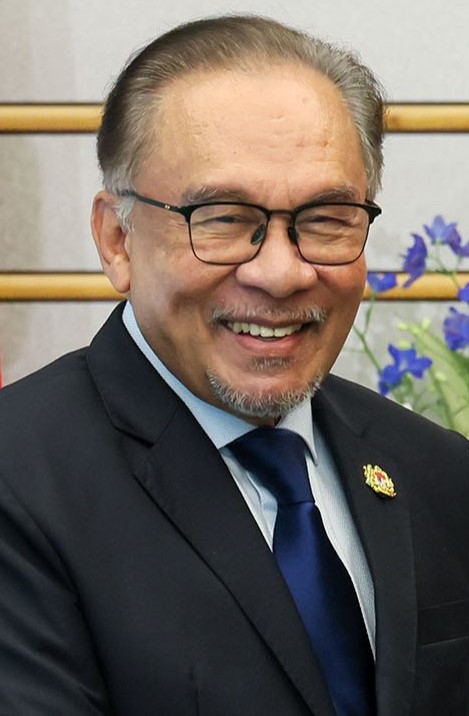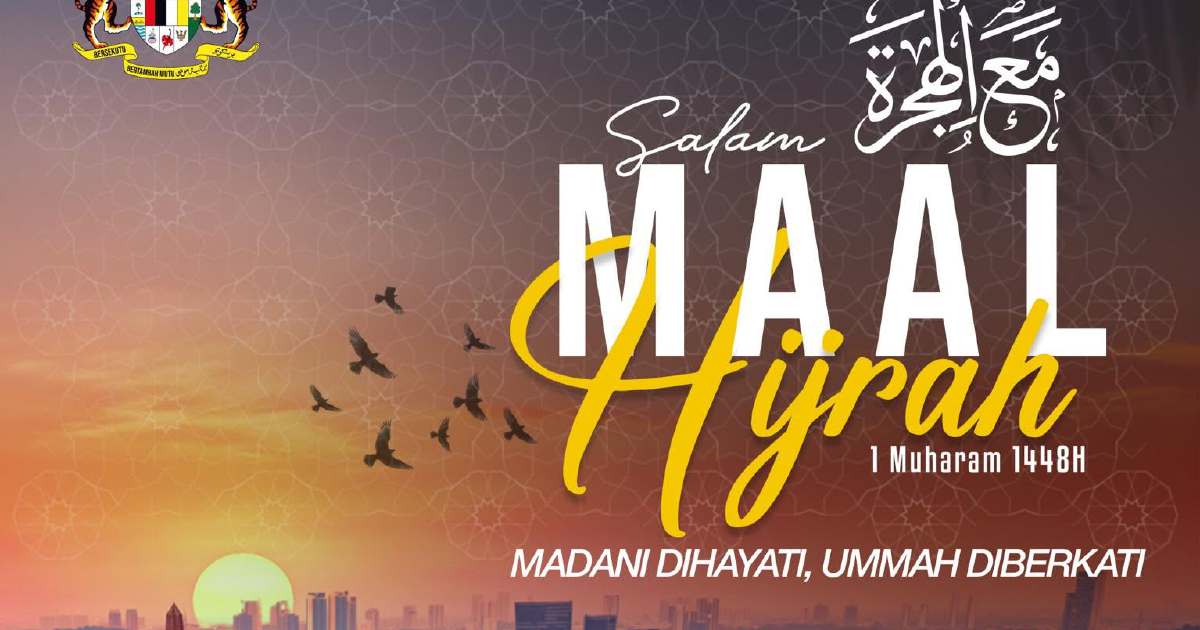
Prime Minister Datuk Seri Anwar Ibrahim has made a fresh appeal for Malaysians to embrace the foundational principles embedded in the concept of Hijrah, framing it as a moral and social compass that prioritizes integrity, economic advancement and national protection. The message, delivered in Kuala Lumpur, positions the spiritual and historical migration as a contemporary framework for national development rather than merely a religious observance.
The Hijrah, which refers to the Prophet Muhammad's migration from Mecca to Medina in Islamic history, has long served as a symbolic touchstone in Muslim societies. However, Anwar's invocation extends beyond religious circles, presenting it as a unifying national philosophy applicable to Malaysia's pluralistic context. By emphasizing truth, prosperity and security as the pillars of this worldview, the Prime Minister appears to be drawing from both Islamic principles and secular governance ideals that could resonate across diverse communities.
This framing reflects a broader strategy within the government to articulate a comprehensive national vision that bridges religious values with practical governance objectives. The emphasis on truth speaks to concerns about institutional integrity and transparency in public administration, areas where Malaysian governance has faced scrutiny both domestically and internationally. Prosperity, in turn, addresses tangible economic concerns that affect ordinary Malaysians, from employment stability to wage growth and business development opportunities.
Security encompasses both physical safety and institutional stability, reflecting Malaysia's experience with internal security challenges and the broader regional security landscape. In the Southeast Asian context, where geopolitical tensions and transnational threats persist, the reference to security carries particular weight. Anwar's formulation suggests that the Hijrah spirit should inform how Malaysia navigates these challenges while maintaining social cohesion and national unity.
The timing of this appeal is noteworthy given Malaysia's current political environment. The country has undergone significant shifts in recent years, including transition between different political coalitions and ongoing efforts to rebuild public trust in institutions. By invoking a concept rooted in values and principles, Anwar may be attempting to establish a non-partisan framework that transcends factional politics and appeals to common aspirations across Malaysia's multiethnic and multireligious population.
The concept of Hijrah also carries implications for governance philosophy. In Islamic thought, Hijrah represents not merely physical movement but spiritual and moral renewal. Anwar's invocation suggests that Malaysia itself might be understood as undergoing such a transformation, moving away from patterns of governance that compromise truth, limit prosperity or threaten security. This narrative framing positions his administration as custodians of fundamental principles rather than simply managers of bureaucratic apparatus.
For ordinary Malaysians, the relevance of this message lies in how it translates into concrete policy outcomes. If truth is to be elevated as a guiding principle, this implies expectations regarding government transparency, media freedom and institutional accountability. Prosperity requires economic policies that generate inclusive growth, address wealth inequality and create pathways for social mobility. Security demands both law enforcement effectiveness and protection of citizens' fundamental rights against arbitrary power.
The invocation also speaks to concerns about cultural and moral foundations of governance. In recent years, Malaysian public discourse has reflected anxiety about erosion of traditional values alongside rapid modernization and globalization. By grounding national aspirations in concepts drawn from Islamic and Malaysian cultural heritage, Anwar attempts to offer an integrative vision where modernity and tradition reinforce rather than contradict one another.
Regionally, Malaysia's articulation of values-based governance carries implications for how the country positions itself within Southeast Asia. The Association of Southeast Asian Nations operates on principles of non-interference and mutual respect, yet individual member states increasingly assert distinctive governance philosophies. Malaysia's emphasis on Hijrah as a unifying national concept contributes to this broader regional conversation about how nations ground legitimacy in cultural and spiritual traditions whilst remaining open to international engagement.
The success of this appeal will depend significantly on whether government institutions and political leaders actually embody these principles in daily practice. Public skepticism toward political rhetoric is considerable in Malaysia, stemming from decades of campaigns that promised transformation but delivered inconsistent results. Citizens will evaluate the government's commitment to truth, prosperity and security through observable actions in policy implementation, institutional reform and resource allocation.
This message also implicitly acknowledges that Malaysia requires renewal across multiple dimensions simultaneously. Economic challenges including inflation, skills mismatches and infrastructure development cannot be addressed through security measures alone. Political divisions cannot be healed through prosperity initiatives without genuine commitment to truthfulness and institutional reform. The holistic framing suggests recognition that these dimensions are interconnected and mutually reinforcing.