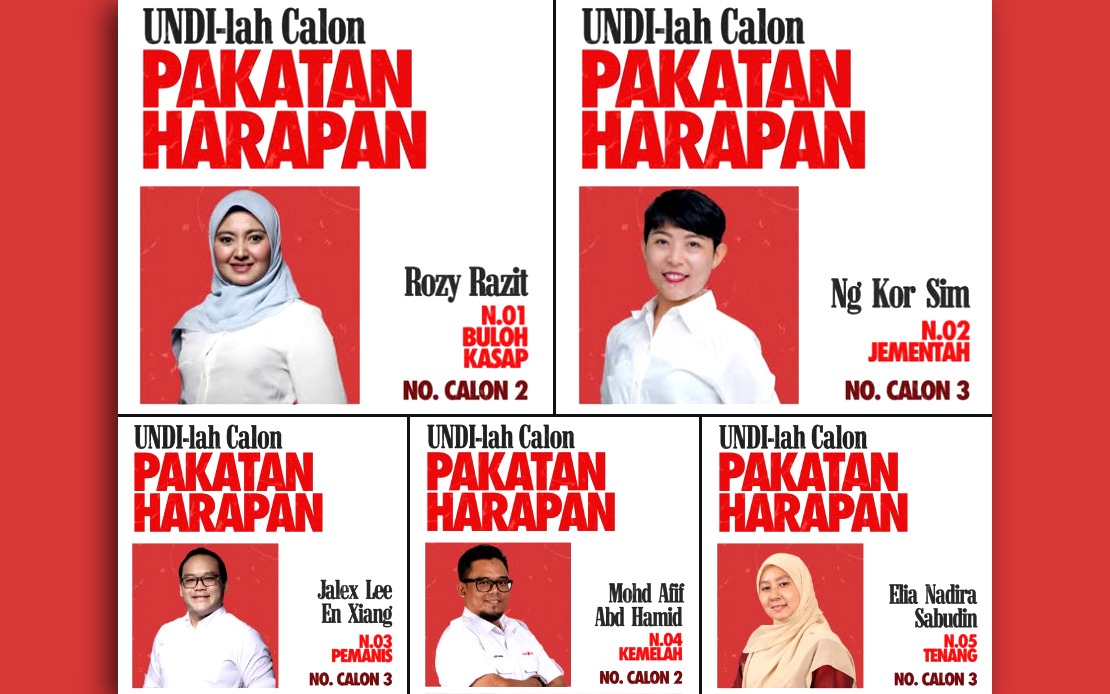
Prime Minister Datuk Seri Anwar Ibrahim has launched a direct appeal to voters in Johor, asking them to place their confidence in Pakatan Harapan candidates as the coalition seeks to secure control of Malaysia's southern bastion in the upcoming state election. Speaking through a social media post, the PKR president emphasised that the coalition would govern with unwavering dedication should it receive the people's mandate, stressing that PH would not squander the trust placed upon it by the electorate.
The timing of Anwar's appeal reflects the significance of the Johor contest within Malaysia's broader political landscape. The state, long regarded as a stronghold for opposition-aligned parties, has become a crucial battleground as PH seeks to consolidate its position following the 2022 general election. With the Dewan Rakyat currently fractured among multiple competing coalitions, success in state-level polls carries implications beyond Johor itself, potentially reshaping the regional balance of power and influencing the trajectory of federal politics.
Pakatan Harapan has committed to fielding candidates in all 56 state assembly constituencies, demonstrating the coalition's ambition to achieve a comprehensive victory rather than contest selected seats. This all-in strategy signals confidence in the party machinery and suggests internal calculations that the coalition possesses sufficient organisational capacity and voter appeal to mount competitive campaigns across the entire electoral map. The decision to contest every seat also prevents fragmentation of the opposition vote, a consideration that has plagued anti-government coalitions in previous state elections.
Anwar's invocation of religious principles demonstrates an attempt to frame the election within a moral and ethical context. By quoting Verse 58 of Surah An-Nisa, which addresses the fulfilment of trusts and the administration of justice, the prime minister sought to elevate the political contest above mere partisan competition and position PH as the custodian of values central to Malaysian Muslim voters' worldviews. This rhetorical approach has become increasingly common in Malaysian politics, where religious and ethical messaging carries considerable weight among the electorate.
The electoral calendar has been set with precision, with early voting scheduled for July 7 and main polling day on July 11. This compressed timeframe compresses campaign activities into a relatively brief window, requiring political parties to maximise their messaging and ground operations within the constrained period. The early voting provision, increasingly standard in Malaysian elections, accommodates those unable to cast ballots on the primary election day, including essential service workers and those with mobility challenges.
Johor's strategic importance in Malaysian politics cannot be overstated. As the country's second-most populous state and home to significant industrial and commercial centres, the state election carries implications for economic policy, development priorities, and federal-state relations. A PH victory would consolidate the coalition's control over multiple state governments and provide momentum heading into potential future federal contests. Conversely, a loss would raise questions about the coalition's durability and ability to translate parliamentary representation into state-level support.
The composition of the electorate in Johor reflects broader demographic trends visible across Malaysia. The state encompasses urban centres with relatively educated, diverse populations alongside rural districts with different political leanings and priorities. Candidates from all parties face the challenge of crafting messages that resonate with this heterogeneous base while maintaining internal coalition cohesion. For PH, balancing the interests of its multicommunal membership—encompassing the predominantly Malay PKR, the Chinese-backed DAP, and other partners—requires careful calibration of policy positions and candidate selection.
Anwar's personal involvement in campaigning underscores the stakes involved for the coalition. As prime minister, his direct intervention in state-level politics, through both public appeals and presumably behind-the-scenes coordination, reflects recognition that outcomes in Johor could affect his political standing and the stability of the federal administration. A strong performance validates his leadership and strengthens his hand within PH; a disappointing result could embolden internal critics and complicate his management of coalition dynamics.
The broader context of Malaysian politics suggests that voter sentiment in Johor may be influenced by multiple considerations beyond state-specific issues. Federal government performance on economic matters, inflation, employment, and public services affects how voters evaluate incumbent coalitions at the state level. Recent developments in government policy, legislative outcomes, and inter-coalition relationships at the federal level will inevitably colour voters' calculations as they approach the ballot box.
PH's campaign strategy appears predicated on demonstrating that the coalition possesses both the competence and commitment to deliver effective governance. By emphasising trust, dedication, and moral rectitude, party leaders seek to distinguish themselves from political opponents and present a compelling vision for the state's future. Whether this messaging proves sufficient to mobilise the coalition's base and persuade persuadable voters will be revealed when Johoreans cast their ballots on July 11.

