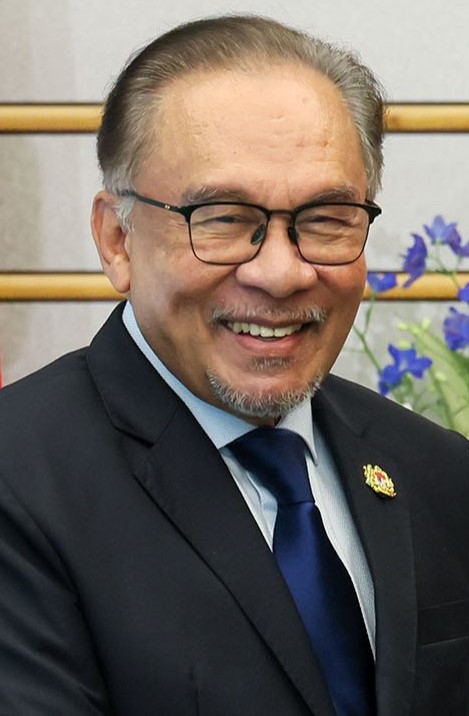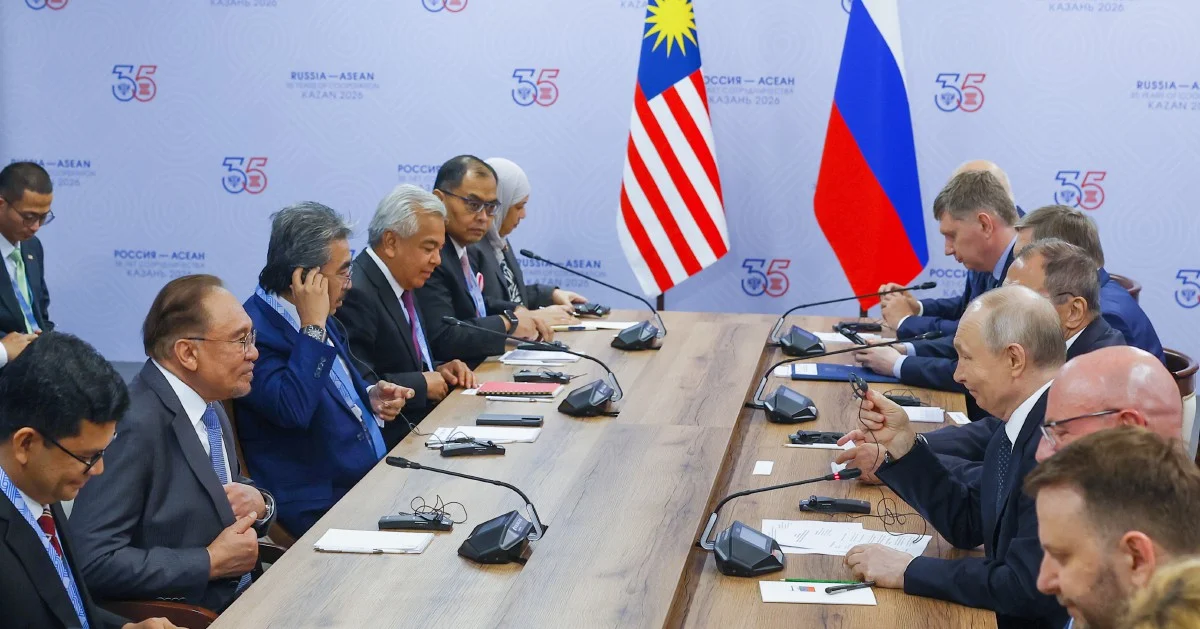
Prime Minister Datuk Seri Anwar Ibrahim has conveyed Malaysia's appreciation to Russian President Vladimir Putin for backing intensified energy sector collaboration between the two nations, with Petroliam Nasional Bhd (Petronas) positioned as the key vehicle for this expanded partnership. The remarks, made during discussions in Kazan, underscore Malaysia's intent to broaden its energy ties beyond traditional Western suppliers and diversify its strategic alliances in the resource sector.
The interaction reflects a deliberate diplomatic move by the Malaysian government to cultivate relationships with major global energy players outside the standard Euro-American framework. Russia's endorsement of the energy cooperation framework signals mutual interest in deepening commercial ties at a time when both nations are reassessing their international positioning. For Malaysia, engagement with Russia in the energy domain offers opportunities to explore new investment avenues, technology transfer, and market access that could benefit national interests.
Petronas, as Malaysia's flagship petroleum corporation, serves as the primary instrument through which such bilateral energy projects would be developed and implemented. The national oil company's international reputation and technical capabilities make it instrumental in negotiating complex energy arrangements with major producers and consumers alike. By positioning Petronas as the central counterpart to Russian energy interests, Malaysia is leveraging the corporation's expertise to unlock potential cooperation in exploration, production, and energy security matters.
The timing of these energy cooperation discussions carries significance given current global energy market dynamics. Elevated oil prices, shifting supply chains, and geopolitical realignments have created an environment where energy-rich nations and major consumers are actively seeking new partnerships to secure long-term stability. Malaysia's outreach to Russia aligns with broader regional trends where Southeast Asian nations are cultivating multidirectional relationships to enhance energy resilience and economic benefits.
From a Malaysian perspective, closer energy cooperation with Russia could translate into several tangible benefits. Enhanced access to Russian energy resources, potential joint ventures in upstream and downstream sectors, and collaborative technological initiatives represent avenues through which bilateral energy relations might deepen. Additionally, such cooperation could provide Malaysia with greater leverage in global energy negotiations and diversify revenue streams for both the government and Petronas.
The energy sector remains crucial to Malaysia's economic framework, contributing substantially to government revenues and foreign exchange earnings. Petronas itself operates globally across multiple energy value chains, making it a natural partner for international collaborations. Russian acknowledgment of Malaysia's energy cooperation ambitions may facilitate smoother negotiations for specific projects and demonstrate openness to commercial arrangements that serve both parties' strategic interests.
For the broader Southeast Asian region, Malaysia's deepening energy ties with Russia could influence regional energy dynamics and bilateral relationships. Other ASEAN members monitoring energy security and supply diversification may draw insights from Malaysia's engagement model. The region's growing energy demands and quest for reliable suppliers make bilateral arrangements such as these particularly relevant for medium to long-term planning.
Geopolitically, the energy cooperation framework represents more than commercial transaction—it reflects shifting patterns of diplomatic engagement in which nations increasingly pivot toward partners offering mutual advantages rather than adhering to entrenched blocs. Malaysia's balancing act between maintaining relationships with traditional partners while cultivating ties with Russia demonstrates the country's pragmatic foreign policy approach. This flexibility allows policymakers to capitalise on opportunities wherever they arise without foreclosing other strategic options.
The conversation in Kazan also symbolises Russia's continued interest in maintaining energy relationships with Asian partners despite international sanctions and geopolitical tensions. For Malaysia, this receptiveness opens doors to dialogue on energy matters that could extend beyond immediate commercial concerns to encompass technical cooperation, human resource development, and knowledge sharing in the energy sector.
Petronas will likely lead any substantive negotiations arising from this diplomatic acknowledgment, tasked with identifying specific projects, joint ventures, or arrangement structures that align with both Malaysia's energy strategy and Russia's commercial objectives. The corporation's experience in managing complex international energy partnerships positions it well to translate political goodwill into concrete business outcomes.
Moving forward, the Malaysian government's appreciation of Russian support for energy cooperation sets the stage for potential announcements regarding specific projects or framework agreements. Whether such collaborations materialise into significant commercial ventures will depend on numerous factors including market conditions, regulatory environments, and the strategic priorities each nation assigns to the relationship at different junctures.