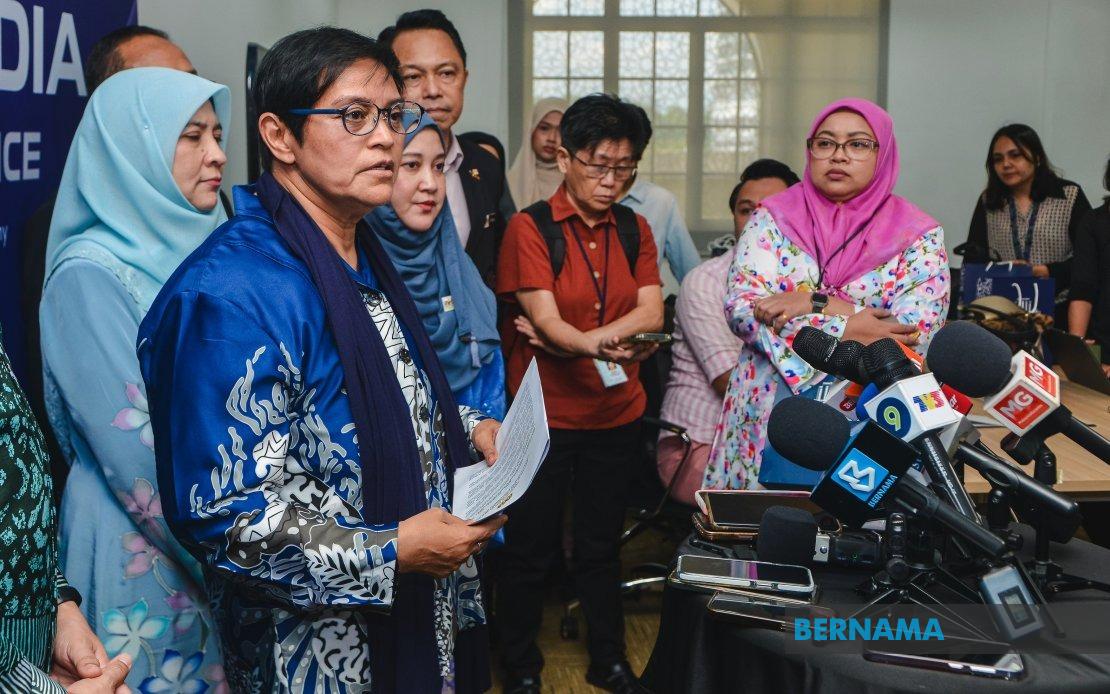
Malaysia has taken a significant step in combating the escalating problem of schoolyard harassment by introducing legislation that fundamentally reshapes how society responds to bullying. The Anti-Bullying Act 2026, unveiled by Datuk Seri Azalina Othman Said, Minister in the Prime Minister's Department (Law and Institutional Reform), introduces a groundbreaking provision making parents legally responsible for bullying incidents involving their children—a departure from conventional criminal frameworks where individual accountability typically remains with the offender alone.
The innovation lies in the concept of shared family responsibility enshrined within the legislation. Rather than isolating liability solely with the child perpetrator, the Act distributes legal obligations across the family unit. This includes financial consequences, with parents now facing binding responsibility for fines and associated penalties imposed on their children. Azalina clarified during the official launch of the Anti-Bullying Tribunal headquarters at the Asian International Arbitration Centre in Kuala Lumpur that this represents a deliberate policy shift designed to engage households in the accountability ecosystem.
The legislative response emerges from a troubling backdrop of rising bullying cases with devastating real-world consequences. Several incidents have escalated beyond psychological harm to tragic outcomes, triggering urgent government action. Officials recognised that addressing bullying requires extending deterrence mechanisms beyond the immediate perpetrator and engaging parents as active stakeholders in prevention and responsibility. By imposing joint liability, the legislation creates financial and legal incentives for families to monitor their children's behaviour and intervene before harmful incidents occur.
Operationalising this framework required establishing dedicated institutional infrastructure. The government appointed 56 tribunal members selected from legal experts and specialists working in child welfare and related disciplines. These panellists form the backbone of the Anti-Bullying Tribunal, which commenced operations from the Asian International Arbitration Centre headquarters, with Majlis Amanah Rakyat chairman Datuk Dr Asyraf Wajdi Dusuki attending the ceremonial launch.
The tribunal's reach extends throughout Malaysia through a distributed hearing system rather than remaining confined to a single location. Proceedings can take place in schools, offices managed by the Legal Aid Department, and virtual platforms, ensuring accessibility across urban and rural areas. The government optimised existing facilities under the Legal Affairs Division, the Insolvency Department, and the Legal Aid Bureau while repurposing underutilised courtrooms. Six physical and virtual hearing zones have been strategically positioned nationwide to reduce travel burdens for families and streamline case processing.
A notable reform empowers victims to bypass institutional hierarchies entirely. Previously, bullying incidents occurring outside school or hostel premises required navigation through institutional management structures before legal proceedings commenced. Under the new Act, affected individuals can directly petition the Anti-Bullying Tribunal without preliminary institutional vetting, democratising access to formal remedies and reducing gatekeeping barriers that might have discouraged victims from seeking justice.
Digital infrastructure plays a crucial role in the tribunal's accessibility strategy. An online public portal enables case registration without requiring physical attendance at offices or courts, particularly beneficial for rural communities and individuals with mobility constraints. The portal simplifies complaint submission procedures, reducing administrative friction that historically deterred victims from engaging formal systems.
Azalina emphasised the education dimension inherent in the legislative framework. Beyond punishment, the tribunal serves a consciousness-raising function, particularly among younger populations. By establishing formal channels specifically designed for bullying complaints and demonstrating that the state treats such behaviour as serious misconduct attracting legal consequences, the government aims to reshape cultural attitudes that normalise bullying as a routine aspect of childhood.
The joint parental liability provision represents a philosophical shift with significant implications for Malaysian family dynamics and child-rearing practices. Parents cannot shelter behind claims of ignorance regarding their children's conduct; legal responsibility now extends into the household sphere. This contrasts sharply with traditional frameworks treating childhood misbehaviour as essentially a family or school management matter. The legislation effectively criminalises parental negligence regarding supervision of children's social interactions.
For Malaysian society, the Act reflects broader trends across Asia toward more interventionist state approaches to childhood welfare and social behaviour standardisation. The legislation acknowledges that schoolyard bullying has evolved from a manageable interpersonal problem into a public health crisis generating tragic outcomes. By imposing financial and legal consequences on families, policymakers gamble that economic incentives and legal fear will prove more effective than purely educational interventions in reducing harmful conduct.
The implementation approach balances accessibility with formal legal rigour. Tribunal proceedings can employ flexible formats accommodating school-based hearings and digital participation, yet panellists include credentialled legal specialists ensuring evidentiary standards and procedural fairness. This hybrid model attempts to overcome a persistent challenge in Asian legal systems: balancing the need for informal, community-based dispute resolution with formal protections against arbitrary decision-making.
Regional observers will watch the tribunal's operational performance closely. Malaysia's approach differs markedly from several Southeast Asian neighbours that have not yet introduced comparable institutional frameworks for bullying complaints. The success or failure of this initiative may influence whether Indonesia, Thailand, or Vietnam consider adopting similar shared liability concepts. Additionally, Malaysian civil society advocates will monitor whether the joint liability provision creates unintended consequences, such as disproportionately penalising families with limited financial means or generating false accusations within schools seeking to resolve administrative problems through formal channels.