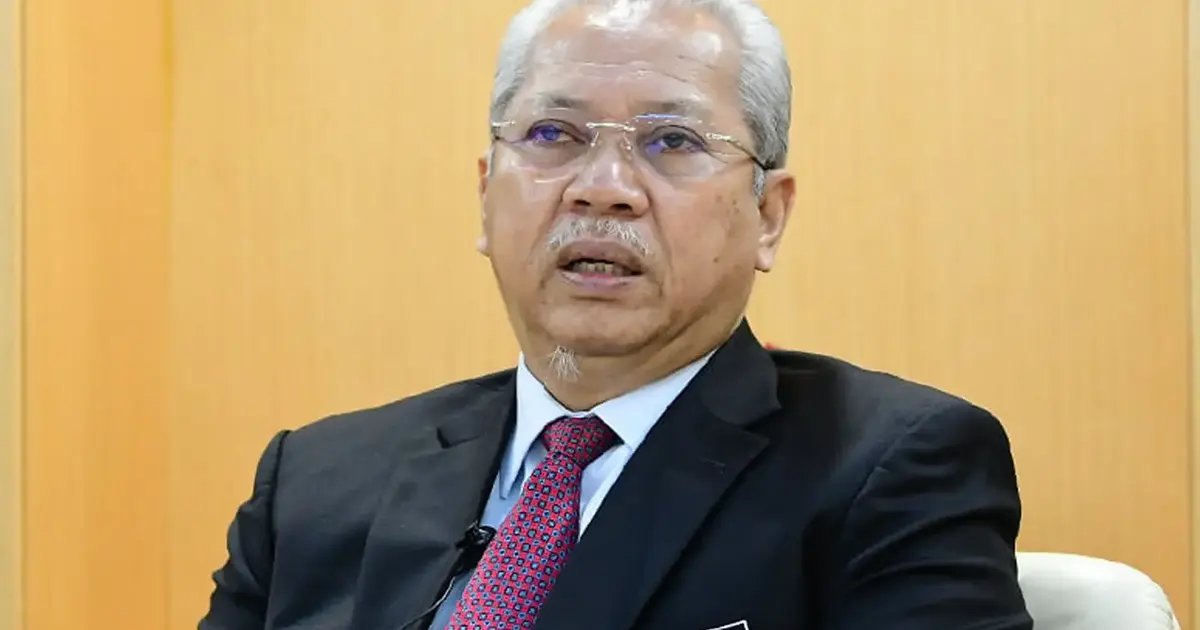
Malaysia's Perikatan Nasional coalition faces fresh internal pressure as its information chief issued a pointed reminder to member parties about maintaining disciplined communication and collective decision-making processes. The admonition, delivered with particular emphasis towards Bersatu, underscores the delicate balancing act required to sustain the three-year-old alliance that has fundamentally reshaped the nation's political landscape since the 2023 general election.
Annuar Musa's intervention reflects growing concern within PN leadership circles that uncontrolled rhetoric from any single component party risks destabilising the fragile equilibrium underpinning the coalition's governance framework. His instruction for members to "calm down" and "not speak in haste" suggests that recent pronouncements from certain party figures may have breached the informal protocols governing inter-party communication within PN's decision-making structure.
The information chief's assertion that neither PAS nor Bersatu possesses unilateral authority carries particular significance given the power dynamics within Perikatan Nasional. While PAS commands considerable parliamentary numbers and controls several state governments, Bersatu's position remains comparatively weaker following internal defections and electoral setbacks. This asymmetry often generates tensions, as smaller coalition partners seek to assert influence commensurate with their political aspirations rather than their current numerical strength.
For Malaysian observers, the episode illustrates a persistent vulnerability in consensus-based coalition politics. Unlike Westminster-style majority governments where a single party dictates direction, multiparty coalitions require constant negotiation and compromise. Each member party must balance loyalty to collective decisions against pressure from their own members and grassroots supporters who harbour divergent policy preferences and leadership ambitions.
The timing of Annuar's statement assumes additional relevance given Perikatan Nasional's role as the ruling coalition at federal level. Since the 2023 election delivered a fractured parliament that no single bloc could dominate entirely, PN secured the premiership through strategic positioning between Pakatan Harapan and independent blocs. This power-sharing arrangement remains contingent upon maintaining coalition discipline, making internal friction particularly consequential for Malaysia's political stability.
PAS and Bersatu represent fundamentally different party cultures and constituencies. The Islamic party draws primarily from Malay-Muslim voters concentrated in northern and east coast states, while Bersatu, founded by former Prime Minister Mahathir Mohamad, attracts a broader cross-section including urban professionals and those disenchanted with UMNO. These divergent bases inevitably generate pressure for competing policy emphases, creating potential flashpoints around education, religious matters, and economic direction.
The coalition structure also reflects unresolved tensions from the dramatic political realignments of recent years. Bersatu's journey from kingmaker in the 2020 Sheraton Move through various alliance configurations to its current status within PN has left internal divisions that periodically surface. Similarly, PAS's evolution from perpetual opposition voice to governing partner has generated expectations among supporters for more assertive advancement of their policy priorities, sometimes creating friction with more moderate coalition partners.
Annuar's intervention signals that PN leadership recognises these tensions require active management rather than passive hope that differences will naturally subside. The formal reminder about collective decision-making serves multiple audiences simultaneously: reassuring coalition partners of mutual commitment while cautioning those tempted toward unilateral action that such moves risk triggering reciprocal responses that could unravel the entire arrangement.
For regional observers across Southeast Asia, Malaysia's coalition dynamics offer instructive lessons about the challenges of post-electoral power-sharing in increasingly fragmented democracies. Thailand, Indonesia, and the Philippines all grapple with similar multiparty coalition realities, where formal authority becomes contested through constant negotiation. Perikatan Nasional's experience demonstrates both the flexibility such arrangements enable and the fragility they inherently possess.
The broader implication for Malaysian governance involves recognising that while coalitions provide mechanisms for representing diverse political constituencies, they simultaneously generate inherent inefficiency in decision-making. Policies often reflect compromise positions that fully satisfy no single constituent, creating perpetual tension between coalition solidarity and party-specific ambitions. Managing these tensions requires not merely formal institutional arrangements but also sustained political maturity from leadership figures willing to subordinate short-term advantage to long-term coalition viability.
Moving forward, Annuar's statement establishes clear expectations about internal comportment while stopping short of threatening specific consequences, a calibrated approach reflecting the genuine vulnerability of coalition politics in Malaysia's competitive environment. Any perceived heavy-handedness risks driving aggrieved parties toward exploring alternative alignments with opposition groups, particularly dangerous given the slim parliamentary margins that currently sustain the ruling coalition's majority.
Ultimately, the incident encapsulates an ongoing challenge for Perikatan Nasional as it navigates simultaneous governance responsibilities and party-level competition. The coalition's longevity will depend less on passionate declarations of unity than on the quotidian discipline of member parties respecting collective protocols even when internal pressures push toward more combative stances.