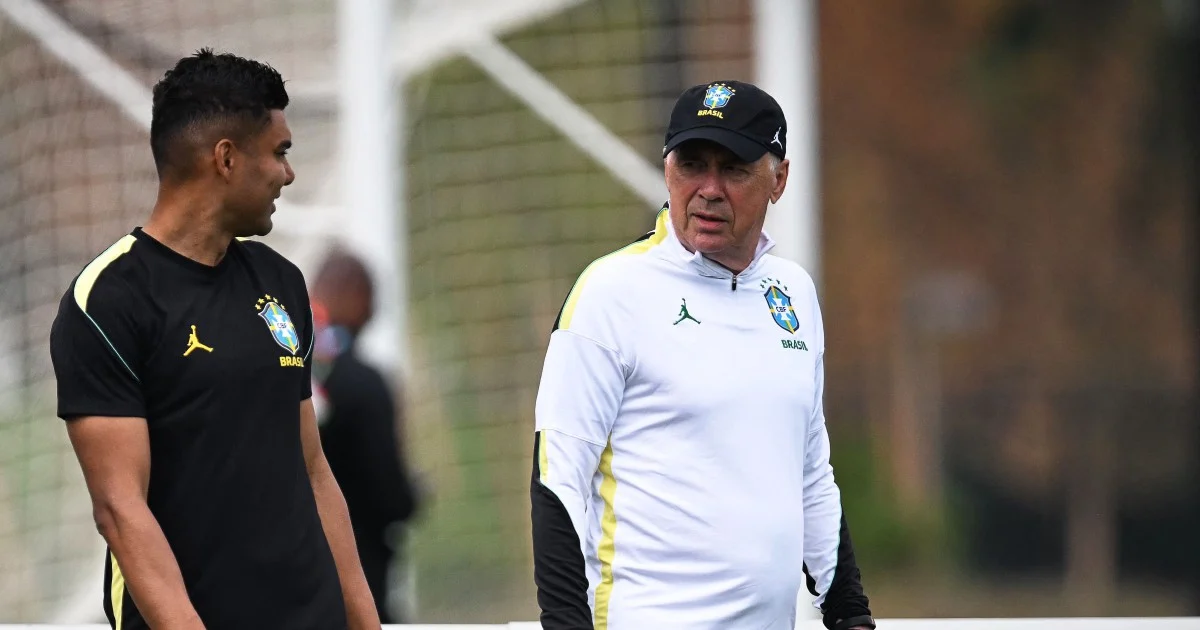
The Brazilian national team's quest for World Cup glory has begun on uncertain footing after failing to break through against Morocco in their opening Group C fixture, but coach Carlo Ancelotti is projecting calm and confidence as his squad prepares to face Haiti. Speaking from Philadelphia ahead of Friday's encounter, the Italian tactician rejected suggestions that Brazil faces mounting pressure or deeper structural problems, instead characterising the upcoming match as a crucial occasion to implement corrections and demonstrate the quality expected of a five-time world champion.
Brazil's 1-1 draw with Morocco exposed several concerning gaps in their preparation and execution, particularly in the final third where creative opportunities went begging and finishing proved wasteful. The deadlock felt unsatisfying for a squad brimming with attacking talent and experience, leaving observers questioning whether the Seleção had adequately addressed weaknesses that plagued previous campaigns. Yet rather than viewing the result as a catastrophe, Ancelotti appears determined to extract valuable lessons and channel the team's frustration into a dominant performance against a Haitian side that will provide a more straightforward examination of Brazil's capabilities.
Ancelotti's composed demeanour reflects his extensive track record in elite football, where he has navigated more precarious situations with considerable success. His previous experiences managing top European clubs have equipped him with perspective, understanding that opening group matches rarely define tournament trajectories. The seasoned tactician recognises that possessing such a deep squad with multiple world-class options provides flexibility to experiment with tactical tweaks and personnel adjustments without jeopardising the broader campaign. This pragmatic outlook extends to his public communications, deliberately downplaying alarm while privately preparing comprehensive adjustments.
The Morocco encounter revealed specific technical issues requiring remedy. Brazil's midfield struggled to control tempo effectively, allowing the North Africans to establish a suffocating defensive structure that limited space for the attacking players to operate. The full-back positions, traditionally areas of Brazilian strength, were occasionally overrun by Morocco's dynamic wing play, suggesting defensive solidity may demand particular attention. Additionally, the combination play in attacking sequences lacked the fluidity and directness that characterises Brazil's most successful periods, indicating that pattern-of-play development remains a work in progress despite months of preparation.
Haiti represents a dramatically different examination compared to Morocco's organised, defensive framework. The Caribbean nation's participation in this World Cup tournament marks a significant achievement for their programme, yet the quality gap between themselves and Brazil remains substantial. This disparity provides Ancelotti with an ideal testing ground to implement tactical adjustments without facing the defensive discipline and counter-attacking threat that Morocco demonstrated. The Italian coach can experiment with team shape, rotation, and attacking sequences while maintaining confidence that Brazil possesses sufficient superiority to secure victory regardless of minor personnel or strategic fluctuations.
For Brazilian supporters accustomed to seeing their national team dominate opening matches, the Morocco result triggered genuine concern about readiness and cohesion. The draw prevented Brazil from establishing early psychological momentum and building confidence through a convincing victory. Instead, the squad enters Friday's fixture with something to prove, needing a commanding display to reassert their credentials and settle nerves among the broader football-watching public. Ancelotti understands these emotional currents and recognises that a comprehensive victory over Haiti offers opportunity for resetting the narrative surrounding Brazil's tournament prospects.
From a group dynamics perspective, Morocco's draw creates additional intrigue in Group C's final standings. Should Brazil prove convincent against Haiti while other contenders compete for points, the Seleção can construct a strong position for securing the knockout stages. However, stumbling again against inferior opposition would genuinely compromise progression prospects and heap pressure onto subsequent fixtures. This reality ensures that while Ancelotti maintains external composure, the significance of Friday's match extends well beyond a routine group encounter against weaker opposition.
The coach's experience managing Real Madrid, where he won multiple Champions League titles and navigated numerous high-stakes contests, informs his measured approach. Ancelotti knows that tournament football demands consistency across multiple matches rather than perfection in any single outing. His focus remains on building momentum progressively rather than expecting immediate brilliance. This incremental philosophy, while perhaps less dramatic than demanding instant transformation, often proves more sustainable for squads required to maintain performance across weeks of intensive competition.
Brazil's attacking arsenal remains formidable regardless of opening-match frustrations. Neymar, Vinícius Júnior, and complementary attacking players possess sufficient quality to trouble virtually any defensive structure, suggesting that scoring opportunities against Haiti should materialise readily. Ancelotti's task involves channelling this attacking abundance more efficiently while simultaneously strengthening defensive organisation that occasionally appeared stretched against Morocco. Friday's fixture offers the perfect platform for demonstrating such improvements while Haiti, despite their admirable tournament qualification, faces the daunting prospect of containing Brazil's star-studded attacking contingent.
Looking forward, Ancelotti's calm demeanour sets important tone for a squad requiring confidence restoration following their opening-match disappointment. His refusal to succumb to panic signals that Brazil remains fundamentally sound, requiring only tactical refinement rather than wholesale reconstruction. This perspective, combined with the opportunity Haiti provides for implementation and confidence-building, suggests the coach possesses clear strategy for navigating Brazil's tournament campaign beyond mere day-to-day crisis management.

