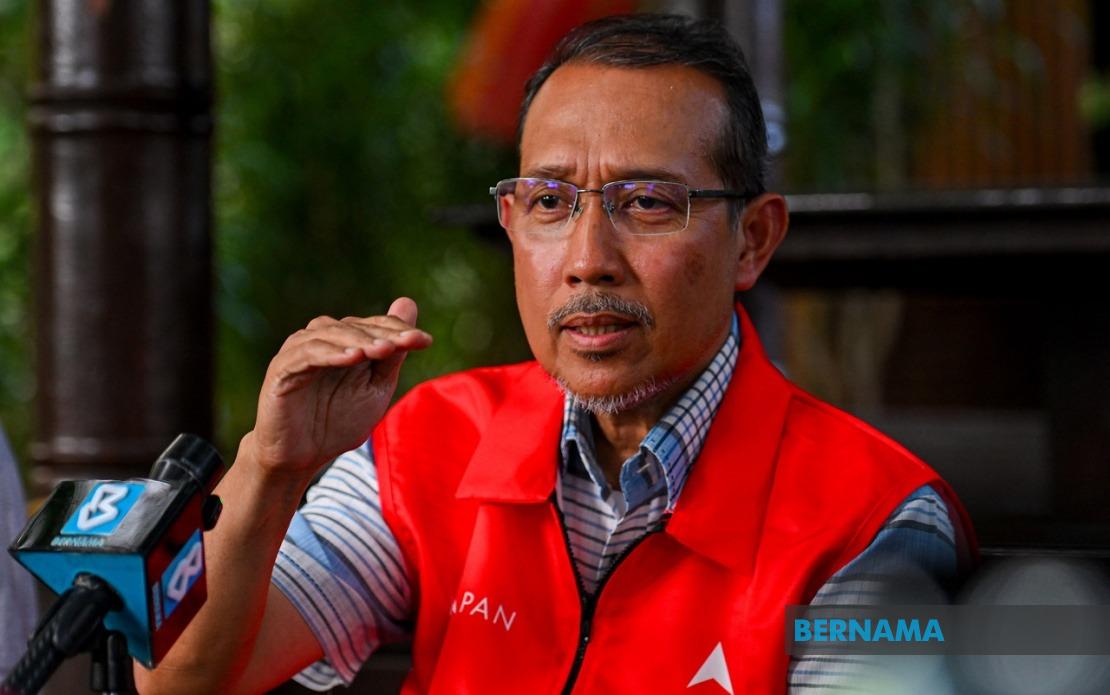
Datuk Muhammad Nazri Kassim, the Pakatan Harapan nominee for Ampangan, is positioning the state constituency as a candidate for comprehensive urban renewal centred on economic opportunity and quality-of-life improvements. Speaking during campaigning in Seremban, the candidate outlined an agenda that moves beyond conventional constituency work, proposing instead a coordinated strategy to position Ampangan as a regional economic destination within the Seremban parliamentary zone.
The Ampangan state seat, which encompasses 21,336 registered voters, sits at a geographic and administrative crossroads. Its location in central Seremban creates what Muhammad Nazri characterises as untapped potential for attracting both commerce and visitors. He envisions leveraging this positioning through targeted revitalisation of areas such as Benteng, reasoning that improved public amenities and urban aesthetics would naturally draw increased foot traffic and spending that could benefit local entrepreneurs and residents seeking supplementary income streams.
Infrastructure maintenance and flood mitigation feature prominently in his platform, a priority rooted in recent lived experience. The devastating floods of 2021 crystallised concerns about preventative management of drainage systems, waterways, and road networks. Muhammad Nazri credits collaborative river-maintenance approaches adopted by the Negeri Sembilan state government with substantially reducing flood severity over the subsequent three to four years, suggesting that continued commitment to such protocols would further stabilise conditions for businesses and households alike.
Beyond flood control, the candidate identifies recreational development as a complementary opportunity. Improved river conditions create foundations for establishing jogging trails, cycling paths, and sports facilities along waterway corridors—amenities that enhance residential amenities whilst potentially attracting wellness tourism. This represents a strategic bundling of infrastructure investment with revenue-generating activities, a framing that appeals to both urban planners concerned with liveability and small-business operators seeking clientele.
The economic argument rests on a basic proposition: cleanliness, maintenance standards, and aesthetic appeal form prerequisites for commercial vitality. Muhammad Nazri suggests that environmental quality directly influences business confidence and consumer behaviour. A constituency characterised by well-managed drainage, orderly landscaping, and accessible recreational infrastructure creates conditions conducive to informal commerce—food stalls, retail kiosks, service providers—whilst improving the daily experience of residents and workers.
The campaign methodology itself reflects broader strategic shifts within Malaysian electoral politics. Muhammad Nazri has adopted granular, door-to-door engagement rather than relying primarily on rallies or broadcast messaging. This approach aims to surface specific grievances that quantitative polling might miss, permitting candidates to construct policy platforms responsive to actual constituent priorities rather than generic party positioning. The implicit assumption is that detailed knowledge of local concerns translates into more credible and implementable commitments post-election.
The contest for Ampangan reflects the fragmented political landscape currently characterising Negeri Sembilan politics. The three-cornered race features Muhammad Nazri representing the PH coalition, Datuk Dr Mohamad Rafie Malek standing as the Perikatan Nasional nominee, and Noor'azah Harun contesting for Parti Pribumi Bersatu Malaysia. This configuration means victory may be achievable with a plurality rather than outright majority, potentially amplifying the significance of marginal voter segments and ground organisation.
The broader context involves the scheduled August 1 polling day, with early voting commencing July 28. The Negeri Sembilan state election proceeds amid national political dynamics centred on the Prime Minister Datuk Seri Anwar Ibrahim's leadership within both the PH coalition and the national government. Muhammad Nazri's presence within the PH ticket positions him to benefit from any national momentum or government performance narratives that favour the ruling coalition, though local constituency-specific factors will ultimately determine electoral outcomes.
For Malaysian observers tracking urban governance and economic development strategy, the Ampangan campaign illustrates how local electoral platforms increasingly incorporate sustainability and wellness dimensions alongside traditional infrastructure concerns. The emphasis on recreational corridors, environmental management, and small-business support reflects evolving voter expectations regarding township quality. Whether Muhammad Nazri's vision translates into implemented policy depends on securing the mandate and subsequently translating campaign commitments into budgeted action within the constraints of state finances and bureaucratic capacity.
The economic hub concept also reflects broader aspirations within Negeri Sembilan for positioning the state competitively within the Klang Valley region. Seremban's proximity to Kuala Lumpur and the greater metropolitan area creates incentive structures encouraging local leaders to develop distinctive offerings rather than competing directly with central business districts. Positioning Ampangan as a specialised economic hub—potentially emphasising heritage tourism, recreational services, and small-enterprise activity—represents one articulation of this differentiation strategy. The election outcome will indicate whether voters find such framing persuasive.

