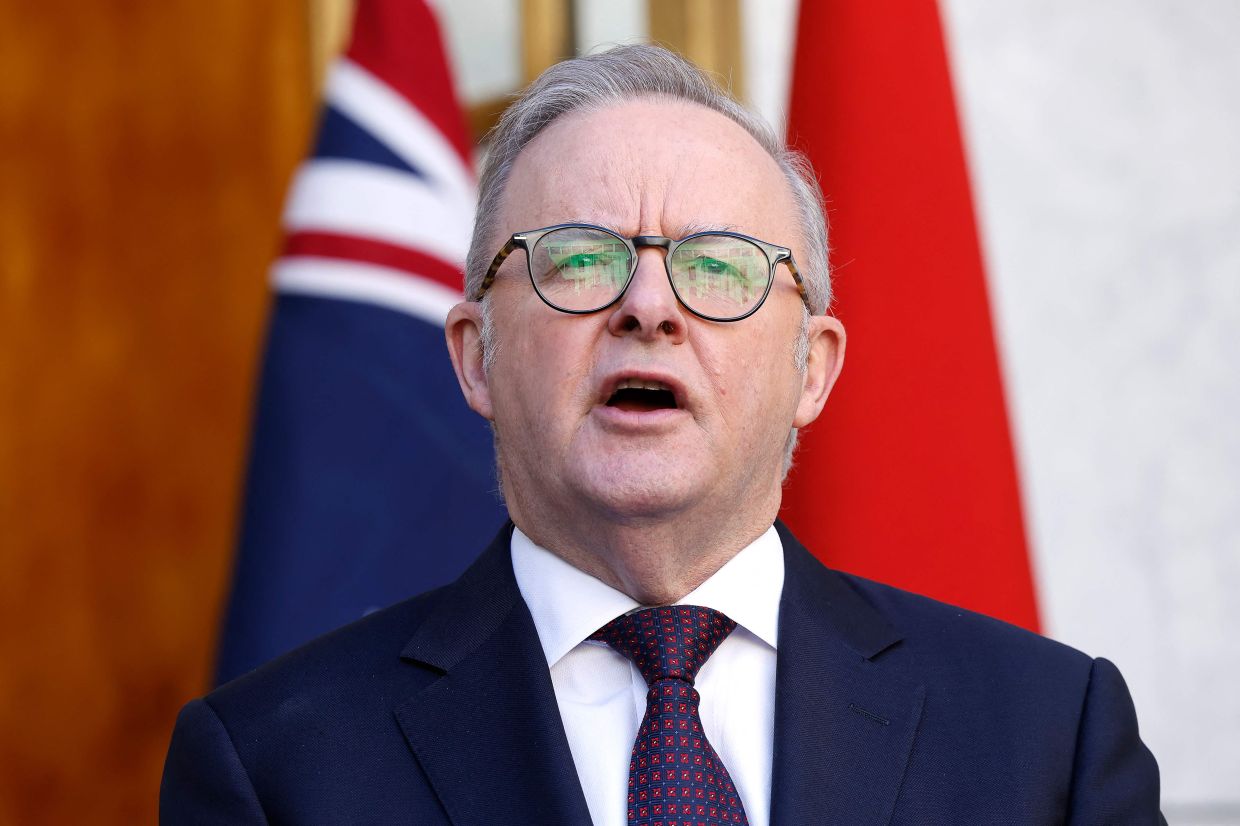
Australian Prime Minister Anthony Albanese has refused to offer an apology for remarks about a high-value gift presented by Japanese Prime Minister Sanae Takaichi, maintaining his position despite intensifying pressure from opposition lawmakers and concerns about diplomatic relations between the two nations. The controversy centres on casual banter captured during a podcast interview conducted at his official residence, where Albanese made light of receiving an expensive Japanese royal melon as a gift during Takaichi's visit to Australia in May.
The incident represents the second occasion in recent weeks where the Australian leader has faced public backlash over comments recorded during the same Bush Deep podcast conversation with host Nikki Osborne. Earlier in August, Albanese had already apologised for using crude language regarding Australian singer Kylie Minogue, acknowledging that his remarks were inappropriate and warranted a formal apology to the public.
However, when questioned in parliament on Tuesday about whether he would similarly apologise for what opposition figures characterised as disrespectful behaviour toward the Japanese Prime Minister, Albanese firmly rejected the premise. Rather than offering contrition, he responded by stating: "I reject the assertion in the question," effectively brushing aside criticism and framing the matter as a misunderstanding rather than genuine misconduct.
The context of the melon joke itself illuminates why Japanese officials and Australia's opposition have found the remarks troubling. In Japan, premium melons are extraordinarily valuable commodities, treated as luxury gifts befitting high-level diplomatic occasions. According to Japan's former ambassador to Australia, these select fruits can command prices exceeding AUS$270, or approximately US$190 per melon. By treating such a carefully chosen, culturally significant gift as the subject of crude humour, Albanese's comments risked appearing dismissive of the diplomatic gesture and the thought that had gone into the present.
During the podcast conversation, when host Osborne inquired whether Takaichi had smuggled the fruit through Australian customs regulations, Albanese responded with innuendo, gesturing and commenting: "got a couple of melons." The host then added to the inappropriate tone by making a physical comparison between Takaichi and actress Pamela Anderson, further reducing the exchange to crude banter that bore no resemblance to the respectful tone typically maintained between senior government officials.
Australia's opposition leader has seized on the incident as evidence of conduct unbecoming a Prime Minister, explicitly calling for Albanese to apologise for what was described as an "insulting" remark toward a valued international partner. The opposition's position reflects broader concerns about standards of behaviour expected of those holding the nation's highest office, particularly in matters involving diplomatic relations and international protocol.
Instead of providing the requested apology, Albanese attempted to deflect criticism by emphasising his personal relationship with the Japanese leader. He stated: "Prime Minister Takaichi is a friend of Australia and a friend of mine," implying that such friendly relations would preclude any genuine disrespect. This defence strategy seeks to reframe the controversy as a misinterpretation born of partisan opposition rather than legitimate diplomatic concern.
Australia's Foreign Minister Penny Wong reinforced this line of argument during parliamentary proceedings, asserting that the Prime Minister had made his position abundantly clear. "The prime minister has been clear that he did not mean for those comments to be interpreted in the way they have been by those opposite," Wong stated, attributing the controversy to opposition mischaracterisation rather than acknowledging any problematic aspects of the original remarks.
The incident raises significant questions about diplomatic decorum and the standards expected of Australian leaders in their international relationships. Japan remains one of Australia's most important regional allies, with deep economic, security, and cultural ties. For Malaysian observers, the controversy underscores how easily informal comments can inflame bilateral relations and create diplomatic friction, even between nations with established partnerships. The affair also highlights the risks posed by senior officials participating in casual media formats where the boundary between public persona and private humour becomes blurred, potentially compromising the dignity of high office.
The refusal to apologise, despite precedent established just weeks earlier with the Kylie Minogue comments, suggests the Prime Minister is drawing a distinction between what he views as inappropriate personal comments and remarks directed toward international counterparts. Yet this distinction may ring hollow to observers who see both sets of comments as evidence of questionable judgment and a dismissive attitude toward the serious responsibilities of high-ranking public office.
For the Australian government, the persistence of the story reflects broader challenges in managing the Prime Minister's public image following the earlier controversy. The back-to-back incidents during the same podcast conversation suggest systemic issues with how official communications are being approached, rather than isolated lapses. As the narrative continues to develop, the focus has shifted from whether an apology will materialise to whether the Prime Minister's handling of the situation will prove damaging to Australia's standing in the Indo-Pacific region and to domestic confidence in his leadership.

