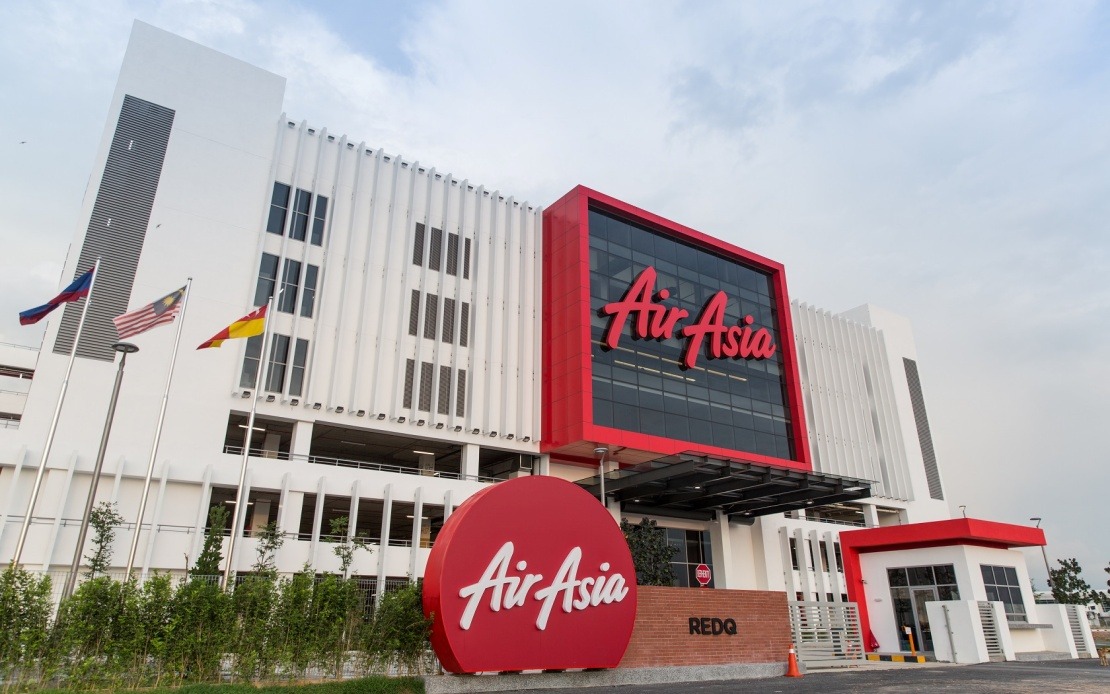
AirAsia has issued a public warning about a sophisticated recruitment fraud targeting Malaysian and regional job seekers who are interested in employment opportunities with the Malaysia-based low-cost airline. The airline disclosed that a counterfeit careers website operating under the domain http://airasiaexpress.com is actively deceiving applicants by mimicking the appearance and functionality of AirAsia's legitimate recruitment channels.
The fraudulent operation employs a common phishing strategy, creating a near-replica of AirAsia's genuine hiring platform to harvest sensitive personal information from unsuspecting candidates. Once job seekers have submitted their details through the fake portal, scammers then demand upfront "processing fees" supposedly required to complete the application and hiring procedures. This dual-layered approach—data theft combined with financial exploitation—represents a particularly insidious variant of employment fraud that has become increasingly prevalent across Southeast Asia in recent years.
AirAsia emphasised that its authentic careers portal operates exclusively through http://careers.airasia.com, and the company maintains a strict policy against charging any form of application fees, processing charges, or administrative costs from candidates. This distinction is crucial for applicants to understand, as many legitimate employers in the region have adopted zero-fee recruitment policies specifically to combat fraud. The airline stressed that applicants should never transfer money or provide sensitive financial information such as bank details or credit card numbers during any recruitment process.
The warning carries particular significance for Malaysia's vast pool of job seekers, many of whom actively pursue opportunities with well-known multinational companies like AirAsia. The airline's regional profile and status as a major employer across Southeast Asia makes it an attractive target for scammers seeking to exploit candidates' genuine interest in securing positions with a recognisable brand. Job seekers often lower their guard when dealing with established companies, creating a vulnerability that fraudsters deliberately exploit through sophisticated website cloning techniques.
Fraud specialists note that these recruitment scams operate on a scale that extends well beyond individual financial losses. When aggregated across hundreds or thousands of victims, the impact becomes substantial. Beyond monetary theft, victims often experience identity theft, unauthorised financial transactions, and psychological trauma from being targeted while in a vulnerable employment-seeking situation. Some victims have reported their stolen personal data subsequently appearing in other criminal operations, suggesting links between various fraud networks operating across the region.
AirAsia's proactive disclosure reflects a broader industry recognition that airlines and major corporate employers bear a responsibility to educate the public about fraud risks. The company encouraged all job applicants to independently verify recruitment information by directly contacting AirAsia through verified official channels—including the airline's main website, official social media accounts, and published customer service contact numbers. This advice applies whether candidates have encountered the fraudulent website or simply harbour suspicions about a recruitment opportunity they have encountered online.
The airline also indicated its commitment to ongoing monitoring of fraudulent activities perpetrated in its name. AirAsia has likely coordinated with cybersecurity specialists and law enforcement authorities to identify and report the malicious website to relevant agencies, internet service providers, and domain registrars. However, scammers frequently relocate their operations to new domains once fraudulent sites are shut down, necessitating continuous vigilance from both companies and the public.
Job seekers in Malaysia and throughout Southeast Asia should adopt several protective measures when pursuing employment opportunities online. Legitimate employers typically do not request payment upfront, do not conduct primary recruitment through unsecured email channels, and do not ask candidates to download files or access links from suspicious sources. Additionally, applicants should check website URLs carefully—fraudulent sites often employ slight variations of legitimate addresses, such as adding extra characters or changing domain extensions, that may escape casual notice.
The incident underscores the expanding threat landscape facing Malaysia's digital economy. As more recruitment processes migrate online, scammers have adapted their tactics to exploit the convenience and reach of digital platforms. The problem affects not only job seekers but also undermines trust in legitimate online recruitment systems and damages the reputations of companies whose brands are misused in fraudulent schemes.
Applicants who believe they have encountered the fraudulent website or suspect they have already fallen victim to this scam are advised to report the incident to relevant authorities including the Malaysian police's cyber crime division, the Malaysian Communications and Multimedia Commission, and the airline itself. Prompt reporting helps authorities track fraud networks and potentially prevent future victims from being deceived. Additionally, individuals who have shared personal information should monitor their financial accounts closely and consider placing fraud alerts with their banks and credit agencies.