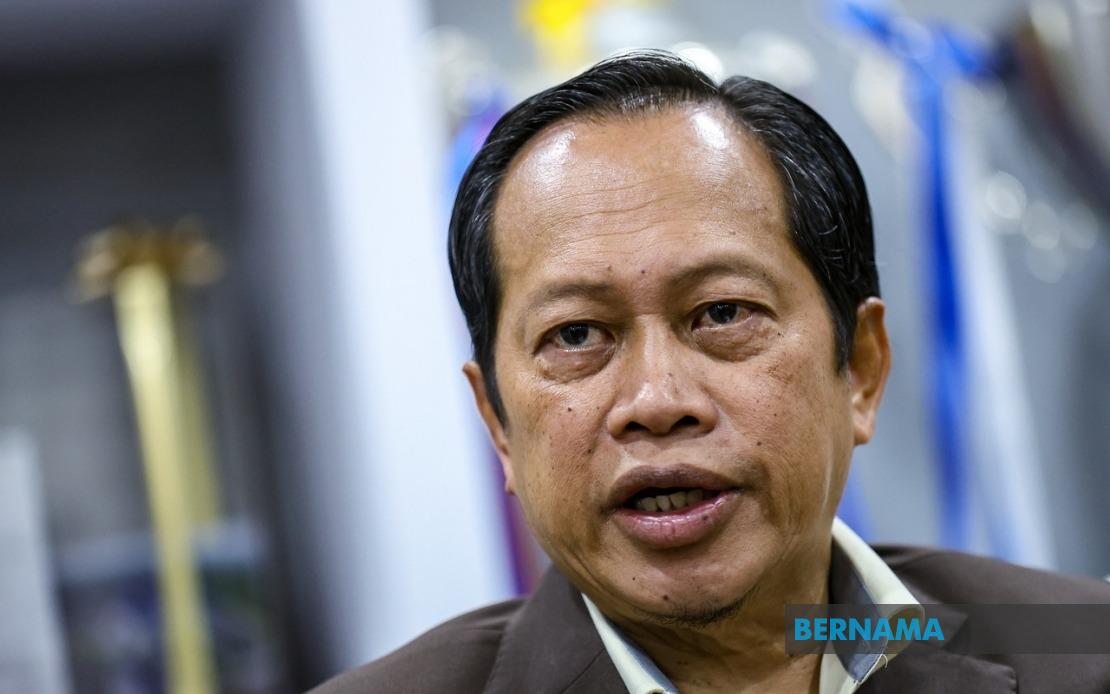
Datuk Seri Dr Ahmad Maslan, the Johor Barisan Nasional deputy chairman and Deputy Works Minister, has definitively closed the door on his participation as a candidate in the forthcoming state election, putting to rest weeks of political speculation about his electoral intentions in the peninsula's southern stronghold.
In a statement made during a visit to the Johor Public Works Department in Iskandar Puteri on June 15, Ahmad clarified that he will not be throwing his hat into the ring for either the Benut or Pulai Sebatang state seats, both of which fall within his Pontian parliamentary constituency. His decision comes after persistent rumours had linked him to multiple potential candidacies in the contest, fuelling uncertainty among party ranks and observers tracking the political manoeuvres ahead of polling day.
The rationale underpinning Ahmad's withdrawal reflects a broader strategic consideration within UMNO and Barisan Nasional circles. By voluntarily stepping aside, the senior politician argues that other candidates deserve the opportunity to contest these seats, suggesting a calculated move to distribute candidacies more equitably within the party structure. This approach carries implications for factional dynamics within UMNO Johor, potentially signalling an attempt to accommodate multiple interest groups and consolidate internal unity as the coalition prepares for a crucial test at the ballot box.
Despite his decision not to stand as a candidate, Ahmad has committed to maintaining an active presence in BN's election machinery. He indicated his intention to contribute substantially to the coalition's ground campaign, leveraging his position as Pontian MP to mobilize support across his constituency and potentially beyond. Such roles—where senior figures orchestrate campaign efforts without themselves contesting—have become increasingly common in Malaysian politics as parties seek to balance generational transitions with retaining experienced leaders in strategic capacities.
The Johor state election represents a significant battleground for Barisan Nasional, which has held sway over the state government for decades. Any indication regarding candidate selection or the withdrawal of prominent figures carries weight in understanding how the coalition intends to approach this contest. Ahmad's decision may also reflect calculations about electoral viability or internal party preferences for particular candidates in the competitive Pontian-related state seats.
The Election Commission has already mapped out the timeline for the 16th Johor state election with considerable precision. Nomination day falls on June 27, providing a formal deadline for parties to register their chosen candidates and seal their electoral strategies. Polling day itself is set for July 11, while early voting will occur on July 7, accommodating civil servants and others who may be absent on election day. This compressed schedule means parties have mere weeks to finalize their candidate lineups and launch campaign operations.
Ahmad's confirmation of his non-participation allows the Johor BN machinery to proceed without ambiguity regarding his seat, enabling party leadership to allocate these positions to alternative candidates. The process of candidate selection in Malaysian politics frequently involves delicate negotiations among competing aspirants and factional interests within parties, and such public clarifications help reduce the political friction that can arise from prolonged uncertainty.
From a broader perspective, Ahmad's choice illustrates how established politicians sometimes recalibrate their roles as electoral dynamics shift. His continued engagement in campaign activities—albeit without holding a seat himself—reflects a model where seniority and influence operate through organizational channels rather than solely through direct representation. This pattern has grown more prevalent as parties seek to harness the institutional knowledge and networks of experienced figures while creating space for newer candidates to contest.
The deputy minister's assurance of active BN participation underscores the coalition's determination to retain control of Johor in what remains a competitive political environment. While BN has traditionally dominated the state, recent electoral trends across Malaysia have demonstrated the volatility of voter preferences. Sustained mobilization by senior figures like Ahmad, whether as candidates or campaign strategists, forms part of the coalition's arsenal for maintaining its electoral position.
For UMNO specifically, Ahmad's transparent handling of his candidacy decision may also serve a public relations function. By articulating his reasoning—that other candidates merit opportunities—he frames his withdrawal as a principled gesture rather than a forced retreat, potentially enhancing his standing within party circles even as he steps back from direct electoral contestation. This narrative management aspect reflects the calculated communication strategies increasingly evident in Malaysian political circles.