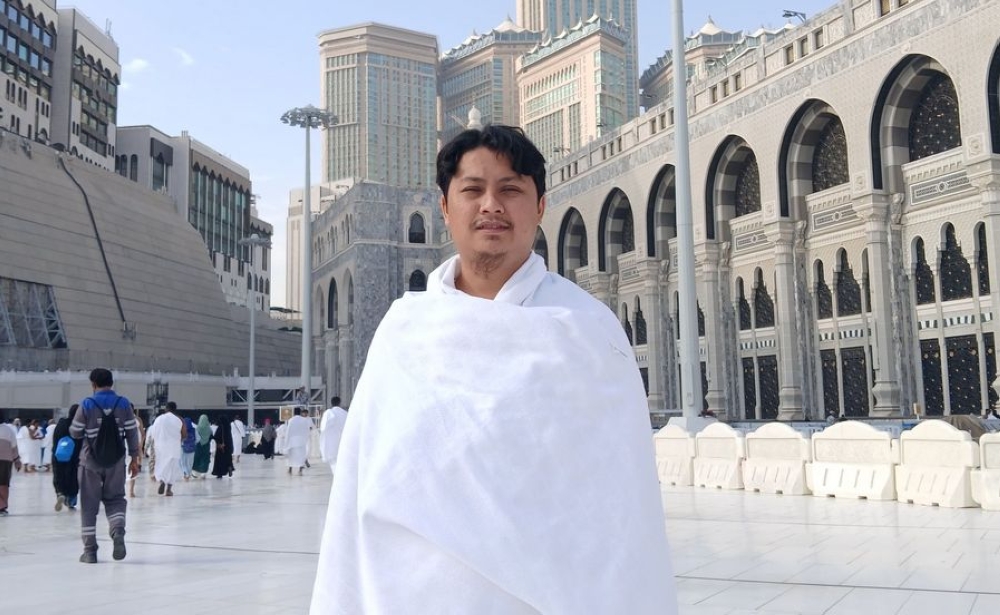
Activist Tamim Dahri Abdul Razak has been re-arrested by police in Alor Setar following the conclusion of a two-day remand period, with authorities indicating that formal charges will be filed against him in court. The sequential detention underscores the ongoing legal proceedings that have ensnared the prominent advocate, whose activism has frequently drawn scrutiny from law enforcement agencies across Malaysia.
The re-arrest marks the latest development in what appears to be an escalating investigation into Dahri's activities. The decision to remand him for two days preceded this fresh detention, suggesting that investigators required additional time to gather evidence or conduct further questioning. The transition from remand to re-arrest is a procedural step that permits authorities to continue holding him while they prepare charges for presentation before the judiciary.
Tamim Dahri has long been a polarising figure in Malaysian activism, known for his vocal positions on civil liberties, democratic governance, and social justice matters. His interventions in public discourse have occasionally put him at odds with enforcement agencies, generating considerable discussion within civil society circles and among political observers who monitor the boundaries of permitted dissent in the country.
The charging process that now looms represents a critical juncture in the case. Once charges are formally preferred in court, the nature of the allegations will become a matter of public record, allowing for greater transparency about the government's case against him. This procedural threshold also marks the point at which Dahri can formally respond to accusations through his legal counsel and the court system.
From a legal standpoint, the Malaysian criminal justice system provides for remand periods as investigative tools, typically lasting up to fourteen days with judicial approval, though shorter periods are common in practice. The two-day duration in this instance suggests either that investigators gathered their necessary information expeditiously or that the court initially limited the remand period. The subsequent re-arrest preserves police authority to continue detention while prosecution preparations advance.
The case has attracted attention from international observers concerned with press freedoms and civil liberties in Southeast Asia. Malaysia's legal framework provides various provisions through which authorities can prosecute individuals for offences ranging from sedition to breaching public order legislation, instruments that civil rights organisations have historically scrutinised for potentially chilling legitimate expression.
For Malaysian civil society, this episode reflects broader questions about the space available for activism and dissent. The arrest and remand of prominent advocates generate ripple effects throughout networks of human rights groups, journalists, and citizens who monitor judicial independence and adherence to due process standards. Such cases become barometers for assessing the practical freedom to engage in political speech and organising activities.
The involvement of Alor Setar police indicates that the alleged offence is being treated as a matter requiring investigation by state authorities rather than federal agencies, though the specific jurisdiction reflects where the incident or conduct in question occurred. Police investigations in Malaysia proceed under oversight protocols, with checkpoint measures including remand approval by magistrates, intended to prevent arbitrary detention whilst providing investigators necessary scope.
Dahri's case arrives at a moment when Malaysia continues navigating questions about democratic participation, dissent, and the permissible limits of activism. The government has periodically adjusted its approach towards civil society engagement, though tensions between security concerns and libertarian principles remain persistent features of the national legal and political landscape.
As the matter now advances toward the formal charging stage, observers will scrutinise both the specific allegations and the procedural handling of the case. The court's assessment of the evidence and charges will provide insight into prosecutorial priorities and judicial interpretation of the relevant statutes. For Dahri, the coming days will prove decisive in determining the trajectory of his legal situation and potentially his personal circumstances.
The broader implications for Malaysian activism remain consequential. High-profile cases involving prominent advocates tend to send signals throughout civil society about acceptable boundaries of conduct, influencing organisational risk calculations and individual decisions about participation in political activities. How this case ultimately resolves may therefore influence the landscape of organised dissent and advocacy in Malaysia for months ahead.

