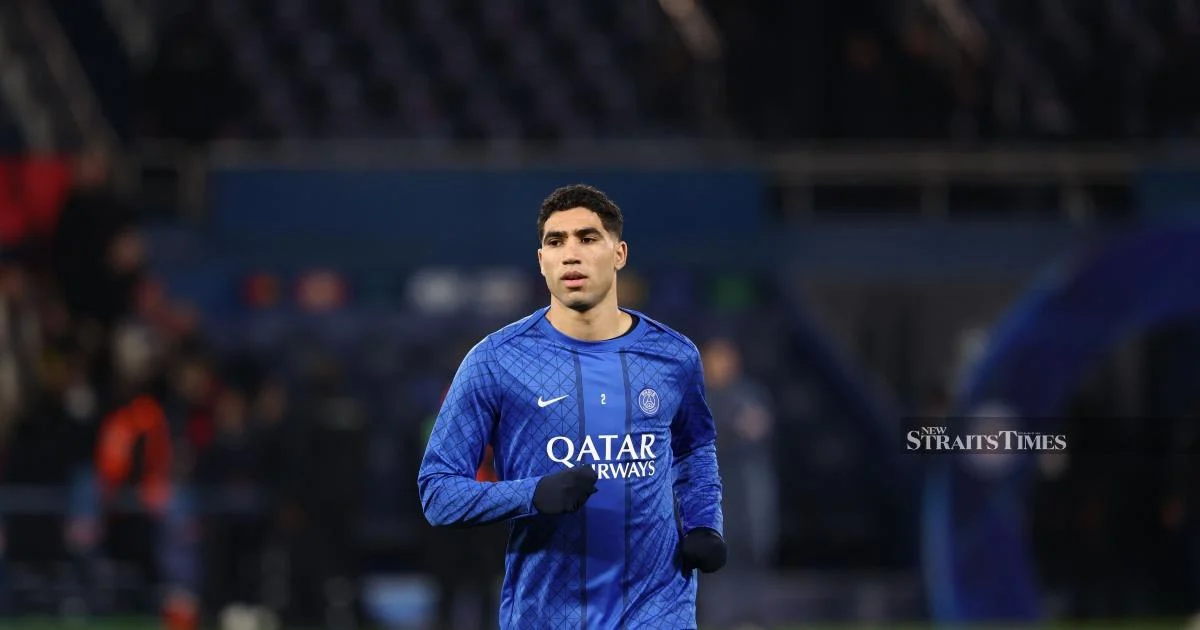
The legal proceedings against Paris Saint-Germain defender Achraf Hakimi entered a significant phase on Friday when the appeals court in Versailles formally confirmed that the Moroccan international must proceed to trial on a rape allegation. The ruling represents a substantial development in a case that has captured considerable attention across European football circles and raised questions about accountability within professional sport.
Hakimi's legal team had mounted a challenge to overturn the preliminary investigation findings, seeking to have the charge dismissed before trial. The appeals court's decision to reject this appeal means the matter will now progress toward a full judicial hearing where evidence will be tested and arguments from both the prosecution and defence will be comprehensively examined. This progression through the French legal system underscores the serious nature of the allegations and the court's assessment that sufficient grounds exist to proceed with formal proceedings.
The case has unfolded amid Hakimi's high-profile career with PSG, one of Europe's most prominent football clubs. As a defender who has represented Morocco internationally, Hakimi had established himself as one of the continent's accomplished players before these legal complications emerged. The allegations and subsequent court proceedings have cast a shadow over his professional trajectory and raised broader questions about how major sports institutions respond to serious accusations against their personnel.
France's legal framework requires that sexual assault cases undergo thorough preliminary investigation before proceeding to trial. The initial investigating authorities concluded that sufficient evidence warranted moving the case forward, leading to the charge being filed. Hakimi's subsequent appeal attempting to reverse this decision has now been rejected by the higher court, effectively clearing a significant procedural hurdle in the legal process.
The Versailles appeals court's confirmation means that trial proceedings will soon commence, where the accuser will have the opportunity to present testimony and supporting evidence before a judicial body. Similarly, Hakimi's defence will be able to present their case and challenge the prosecution's allegations. This trial phase represents a critical juncture where factual determinations will be made regarding the contested events that form the basis of the charge.
The implications of this legal development extend beyond Hakimi's individual circumstances. Major European football clubs increasingly face scrutiny regarding their protocols for addressing allegations of criminal misconduct involving players. PSG will inevitably confront questions about how the club has managed the situation and what procedures exist within professional football to handle such sensitive matters appropriately.
In the Malaysian sports context, this case resonates as a reminder that accountability mechanisms within international football operate across jurisdictions and that European legal systems treat allegations of sexual violence seriously regardless of a defendant's professional status or financial resources. It also demonstrates that high-profile athletes cannot expect their prominence to shield them from criminal prosecution when serious allegations emerge.
For Malaysian football enthusiasts and stakeholders, the case illustrates the professional and reputational consequences that can accompany serious legal accusations. The extensive media coverage and ongoing judicial proceedings have significantly impacted Hakimi's public image and professional standing, even before any trial verdict is reached. This underscores broader conversations within sport about ethical conduct and personal responsibility that extend across all countries and leagues.
The trial process in France typically involves detailed examination of evidence, witness testimony, and expert analysis before a court renders judgment. The timeframe for scheduling and completing such proceedings varies, but both the prosecution and defence will have substantial opportunities to present their respective positions comprehensively. The outcome will ultimately rest with the French judicial system to determine based on evidence presented during formal proceedings.
This development also highlights the distinction between preliminary findings and final judicial determination. While the appeals court's confirmation indicates that investigating authorities found sufficient evidence to warrant trial, this is not equivalent to a finding of guilt. The trial itself remains the appropriate forum for testing the veracity of allegations and making definitive legal conclusions about culpability.
For international football, the case contributes to an ongoing reckoning within the sport regarding player conduct and accountability. Governing bodies, clubs, and the wider football community continue grappling with how to balance due process rights with their own institutional responsibilities when serious allegations involving players surface. These tensions remain unresolved in many jurisdictions.
The confirmation that Hakimi must stand trial marks a transition from investigative and preliminary appellate phases toward substantive judicial proceedings. The trial will determine contested facts through established legal procedures designed to ensure fairness while protecting the rights of both the accused and the accuser. This progression through France's legal system will ultimately yield a judicial determination regarding the charges, and the outcome will carry significant consequences for all involved parties.

