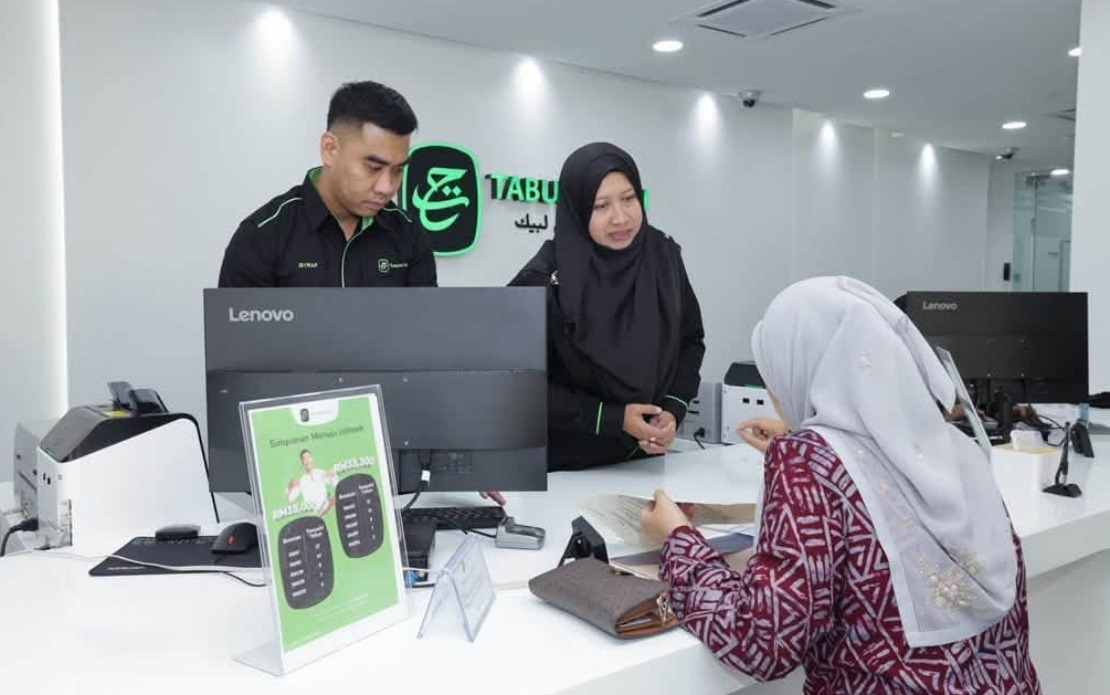
The Malaysian Islamic Youth Movement (ABIM) has intensified pressure on authorities to substantially curtail the minister's discretionary powers in overseeing Tabung Haji, arguing that excessive centralised control has historically compromised institutional decision-making and eroded public trust in one of Malaysia's most significant financial bodies serving the Muslim community.
In comments delivered during a television appearance, ABIM Secretary-General Ahmad Fawwaz Ahmad Shukri emphasised that systemic reforms must address the foundational power imbalances that have allowed ministerial influence to permeate critical operational areas. He pointed specifically to the minister's substantial say in announcements regarding hibah distributions, the allocation of hajj subsidies, and crucially, the approval of major investment decisions and fund deployment strategies—domains where independent professional judgment should theoretically predominate over political considerations.
The reform agenda extends beyond simple power redistribution. ABIM is advocating for a multi-layered governance structure incorporating robust checks and balances that would meaningfully constrain unilateral decision-making at the ministerial level. This reflects broader concerns about how concentrated authority has historically enabled problematic management practices to persist unchecked within the institution, creating vulnerabilities that stakeholders argue have compromised Tabung Haji's financial stewardship and strategic direction over extended periods.
Central to ABIM's vision is the principle that Tabung Haji's leadership must comprise not merely administrators but a carefully curated blend of financial professionals, investment specialists, religious scholars, and intellectual voices capable of providing multifaceted oversight. This requirement should extend throughout the organisation's structure, including subsidiary entities and supervised operations, ensuring that expertise and ethical grounding permeate the entire institutional ecosystem rather than concentrating at the apex.
The youth movement has also identified specific operational domains requiring immediate attention alongside structural reform. Contract management practices and the fundamental architecture of contractual agreements—the akad framework—demand comprehensive overhaul to align with international best practices. Simultaneously, investment activities and the governance of subsidiary operations must transition toward demonstrably sound principles that prioritise institutional integrity over convenience or expedience.
ABIM frames these governance enhancements as essential to rekindling and maintaining the public confidence that Tabung Haji necessarily requires as an institution entrusted with stewarding the accumulated financial resources of Malaysia's Muslim population. Ahmad Fawwaz articulated a clear causal chain: when substantive structural changes begin at leadership level and are accompanied by credible checks and balances alongside competent management, this cascades into tangible restoration of public confidence—a prerequisite for the fund's long-term viability and legitimacy.
Paralleling its structural reform agenda, ABIM has emphasised the necessity for swift legal prosecution against individuals determined to bear responsibility for documented damage or losses inflicted upon Tabung Haji. This accountability mechanism, advocated in a memorandum submitted during the Tabung Haji Royal Commission of Inquiry Solidarity Peace Gathering at Menara TH, serves a dual purpose: it signals institutional resolve to remedy past transgressions whilst simultaneously deterring future misconduct through demonstrable consequences for culpability.
The organisation's engagement extends beyond advocacy into active monitoring and public accountability. ABIM representatives met directly with Tabung Haji's Chief Executive Officer following the memorandum submission, positioning the youth movement as a constructive institutional watchdog committed to transparent scrutiny of emerging developments. This bilateral engagement reflects ABIM's conviction that non-governmental organisations bear a societal responsibility to monitor transformations at major public institutions whilst ensuring the broader community receives regular, candid updates on progress and challenges.
ABIM has welcomed the scheduled parliamentary sitting on August 11, during which the National Assembly will debate the Royal Commission of Inquiry's findings regarding Tabung Haji's governance history. The organisation views this legislative forum as a critical opportunity for transparent examination of systemic weaknesses, provided that lawmakers approach the inquiry with genuine commitment to transparency rather than subordinating institutional interests to partisan political calculations. Ahmad Fawwaz articulated an explicit expectation that parliamentarians transcend narrow political interests and evaluate findings through the lens of maqasid—the broader public interest that transcends factional advantage.
The 100 per cent transparency that ABIM demands from the parliamentary debate reflects an underlying conviction that Tabung Haji's governance challenges cannot be resolved through opaque decision-making or technical fixes isolated from public scrutiny. Rather, comprehensive reform demands sustained openness about both historical failures and forward-looking structural changes, enabling the Muslim community—Tabung Haji's ultimate stakeholder population—to assess whether institutional transformation addresses root causes rather than merely addressing symptoms.
ABIM's intervention positions the youth movement alongside broader civil society in demanding accountability and structural change at an institution whose significance extends beyond financial management into the spiritual and practical dimension of hajj accessibility for ordinary Malaysian Muslims. The organisation's emphasis on professional competence married with religious and intellectual grounding reflects understanding that Tabung Haji governance demands technical sophistication alongside ethical foundations rooted in Islamic principles, ensuring that the institution fulfils its mission with integrity befitting its status as a trust managing resources designated for Islamic pilgrimage.

