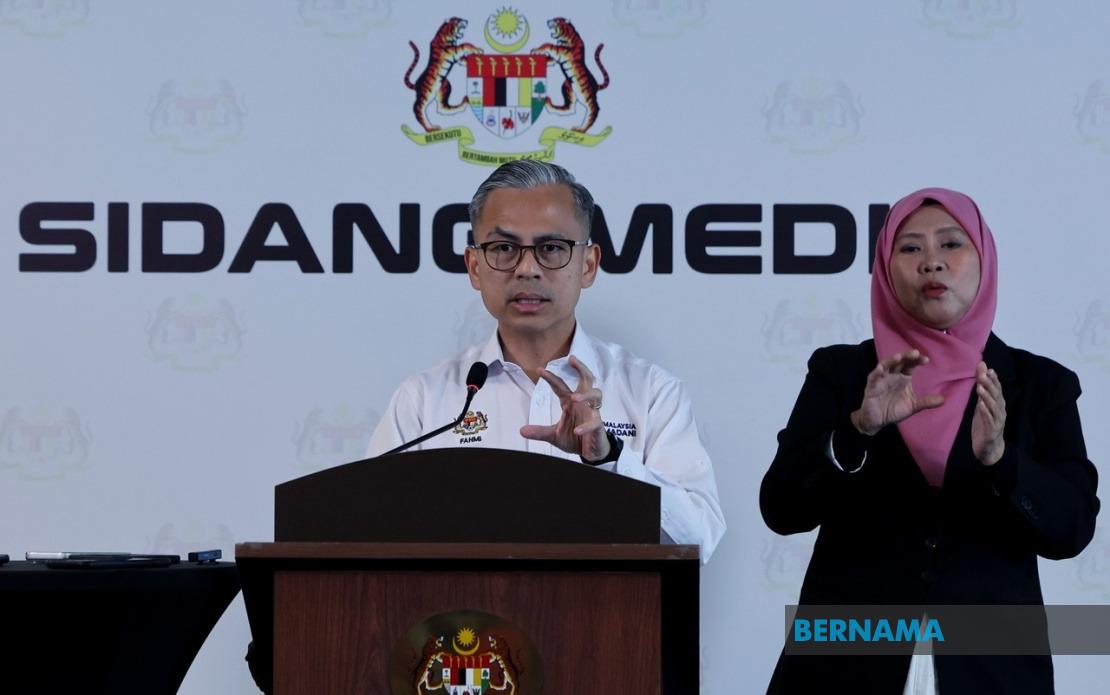
Between 35 and 40 Members of Parliament have signalled their intention to participate in an extraordinary parliamentary session devoted to discussing the Royal Commission of Inquiry findings on Tabung Haji, Communications Minister Datuk Seri Fahmi Fadzil announced at a press briefing in Putrajaya. The special sitting is scheduled for August 11, marking a significant commitment by the government to publicly deliberate the contentious issues unearthed by the commission's investigation into the Islamic pilgrimage fund's operations.
The parliamentary sitting will proceed continuously throughout the day without scheduled breaks, having secured the agreement of Dewan Rakyat Speaker Tan Sri Johari Abdul. This format reflects the gravity with which the government views the inquiry's conclusions and the need for thorough parliamentary examination of the matters involved. Prime Minister Datuk Seri Anwar Ibrahim previously indicated that proceedings would commence at 10 am and extend into the afternoon, providing extended opportunity for detailed discussion of the findings.
The Royal Commission's report, released on July 29 through the Department of Islamic Development Malaysia's official portal, presents a sobering assessment of Tabung Haji's financial trajectory. The inquiry specifically recommended conducting forensic audits into past investment decisions, with particular emphasis on transactions that precipitated the sharp erosion of the fund's asset base. These recommendations signal recognition among decision-makers of the necessity for granular technical examination of how institutional resources were deployed and subsequently diminished.
The commission's investigation encompassed Tabung Haji's management and operational practices across the 2014 to 2020 period, a six-year window capturing significant market fluctuations and institutional evolution. During this timeframe, the fund encountered deteriorating financial circumstances that have become a matter of public concern and parliamentary scrutiny. By focusing on this specific period, the inquiry sought to establish the precise junctures at which decisions diverted from prudent stewardship.
Among the commission's principal findings were identifications of multiple investments that appeared fundamentally questionable and therefore demanded specialized forensic examination. These were not isolated instances of modest misjudgement but rather systematic patterns suggesting either profound lapses in due diligence or intentional deviation from sound financial practice. The fact that the commission deemed these worthy of forensic analysis underscores the severity of the discrepancies identified.
The inquiry also documented evidence pointing toward transactions executed under suspicious circumstances and instances in which information was deliberately obscured or withheld. Such findings carry implications extending beyond mere financial mismanagement into potential breaches of institutional governance standards and fiduciary responsibilities. The commission's willingness to document these patterns reflects confidence that the evidence substantiates such serious characterizations.
For Malaysian taxpayers and Tabung Haji account holders, the parliamentary debate represents a critical opportunity to obtain public accountability regarding how institutional assets were managed and where systemic failures occurred. The pilgrimage fund serves millions of Malaysian Muslims, making its financial health a matter of nationwide importance. The special sitting transforms what might otherwise remain an administrative matter into a public forum where elected representatives can interrogate officials and demand explanations.
The decision to broadcast proceedings live through official parliamentary media channels amplifies the democratic significance of the sitting. Rather than allowing debate to occur behind closed procedural doors, the government has opted for public transparency, enabling citizens and media outlets to witness directly how their representatives engage with the commission's findings. This openness aligns with contemporary expectations regarding institutional accountability and public access to parliamentary deliberations on matters affecting substantial segments of the population.
The participation of between 35 and 40 MPs indicates substantial cross-party interest in the proceedings, though the specific breakdown between government and opposition benches was not disclosed. This level of engagement suggests the issue transcends partisan boundaries and reflects recognition across the political spectrum that Tabung Haji's circumstances warrant serious legislative attention. The duration of debate will likely determine how comprehensively individual members can articulate concerns or ask questions of responsible ministers and officials.
Regionally, the Tabung Haji situation carries implications for how other Southeast Asian nations manage large-scale Islamic financial institutions and sovereign wealth vehicles. Malaysia's experience with the fund's difficulties and subsequent commitment to transparent parliamentary review may influence governance practices elsewhere in the region, particularly among Muslim-majority nations wrestling with similar institutional oversight challenges. The willingness to commission an independent inquiry and then facilitate parliamentary debate demonstrates institutional maturity in confronting governance failures.
Looking forward, the forensic audits recommended by the commission will determine whether the identified problematic investments resulted from inadequate expertise, insufficient oversight mechanisms, or deliberate malfeasance. These determinations will shape not only remedial actions but also institutional reforms to prevent recurrence. The parliamentary debate serves as a necessary intermediate step between the commission's findings and the implementation of forensic examinations and subsequent remedial measures.
The Tabung Haji episode reflects broader questions about institutional governance in Malaysia, particularly regarding how large funds entrusted with public resources balance investment returns with fiduciary prudence. The debate on August 11 will likely address not merely what went wrong but why existing safeguards failed to prevent such deterioration. This forward-looking dimension may prove as important as the backward-looking accountability focus for ensuring that Tabung Haji and comparable institutions establish robust governance frameworks resistant to future failures.

