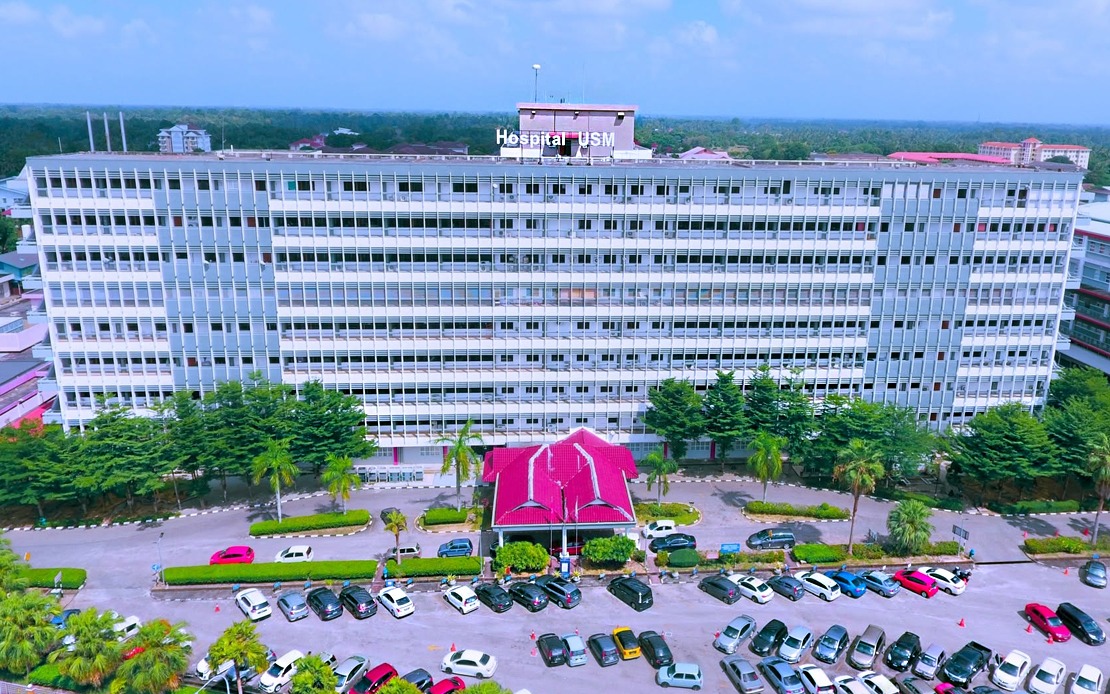
Twenty-three students aged between seven and 19 years old will undergo corrective eye surgery at Universiti Sains Malaysia Specialist Hospital (HPUSM) in Kota Bharu as part of a dedicated five-day surgical programme running from August 16 to August 20. The initiative represents a significant breakthrough for young patients in Kelantan who have endured extended waits for strabismus treatment, with some delays stretching from several months to multiple years. HPUSM director Datuk Dr Ab Rahman Izani Ghani @ Ab Ghani described the effort as a meaningful step forward in addressing the surgical backlog that has long plagued eye care services in the state.
The surgeries are being conducted during the second Strabismus Surgery Carnival, which convenes ophthalmology consultants specialising in eye misalignment procedures, practising ophthalmologists, and postgraduate students undertaking specialist training. This collaborative model maximises surgical capacity whilst simultaneously advancing professional education in a tertiary teaching hospital environment. The concentration of expertise and resources during these designated carnival periods allows HPUSM to process multiple cases efficiently, creating dedicated pathways for patients who might otherwise remain on waiting lists indefinitely.
Identification of these 23 candidates stems from HPUSM's Short-sightedness and Strabismus Eye Intervention Programme, a systematic school-based screening initiative that has operated across Kelantan institutions over the past three years. Through this comprehensive outreach effort, hospital ophthalmologists have identified approximately 300 students exhibiting various eye conditions, with strabismus being a significant proportion. The programme demonstrates how proactive public health screening can uncover unmet surgical needs within the student population, translating clinical detection into actual treatment opportunities.
Strabismus, commonly known as eye misalignment or crossed eyes, extends far beyond cosmetic concerns, according to Prof Dr Shatriah Ismail, a paediatric ophthalmology consultant at USM School of Medical Sciences. The condition directly impairs visual function and disrupts the eye coordination mechanisms essential for normal sight development, particularly during childhood when the visual system remains plastic and developing. Untreated strabismus can compromise depth perception and binocular vision, affecting educational performance and spatial awareness during formative years.
Beyond the physiological impacts, strabismus carries substantial psychological consequences for affected children. Young patients with visible eye misalignment frequently experience diminished self-confidence and social stigma, affecting their willingness to engage with peers and participate in classroom activities. Prof Dr Shatriah emphasised that the psychological and emotional toll frequently outweighs the visual deficits, with many children developing anxiety around their appearance and social interactions. Surgical correction thus addresses not merely optical function but also the psychological well-being and developmental trajectory of affected youth.
Financial barriers typically obstruct access to strabismus surgery, positioning the cost-free arrangement as transformative for Kelantan families. The Kelantan Islamic Religious and Malay Customs Council (MAIK) has underwritten surgical expenses in partnership with multiple non-governmental organisations, removing the economic obstacles that would otherwise prevent treatment. This funding model acknowledges the fundamental equity principle that correctable eye conditions should not condemn children to permanent functional and psychological impairment based on family income.
The timing and scale of this surgical carnival reflect broader healthcare system challenges in Malaysia's state hospitals. Extended waiting periods for specialist ophthalmological procedures remain endemic across the public sector, particularly in Kelantan where tertiary eye care resources concentrate at HPUSM. The carnival approach, whilst valuable, also underscores systemic capacity limitations that cannot be adequately addressed through periodic intensive efforts alone. Sustainable resolution would require permanent expansion of strabismus surgical capacity, additional trained ophthalmologists, and institutional commitment to routine caseload management.
For Southeast Asian context, Kelantan's experience mirrors broader regional patterns where public hospital eye care services struggle to meet demand from lower-income populations. Malaysia's combination of systematic school screening and surgical camps represents an innovative middle path, yet such initiatives require reliable funding and recurring institutional participation. Other ASEAN nations with comparable resource constraints increasingly look to Malaysia's school-screening models as replicable frameworks for identifying and addressing preventable paediatric vision impairment.
The 300 students identified through three years of screening represent a latent surgical demand previously unmeasured within the state's healthcare planning. Beyond the 23 students receiving surgery during this carnival, approximately 277 others require ongoing assessment and eventual treatment. This substantial identified population strengthens the case for sustained, expanded eye care investment in Kelantan, transforming episodic surgical campaigns into predictable annual programming. USM hospital administration must confront the reality that current carnival-based provision, whilst commendable, cannot address cumulative need within realistic timeframes.
The participation of postgraduate ophthalmology trainees in the carnival structure serves a critical capacity-building function within Malaysian medical education. Young specialists gain hands-on strabismus surgical experience under consultant supervision, accelerating their professional development and ultimately expanding the national pool of skilled ophthalmologists. Teaching hospitals fundamentally advance specialist training through caseload volume; dedicating carnival periods to complex cases provides concentrated educational opportunity that routine outpatient scheduling cannot match.
Community engagement through NGO partnerships amplifies the social reach of HPUSM's eye care mission. These organisations identify vulnerable families, facilitate transport and accommodation logistics, and provide psychosocial support surrounding surgical episodes. Their involvement transforms hospital-centred clinical episodes into holistic community health interventions, recognising that surgical access requires navigating multiple non-medical barriers. For future initiatives, expanding NGO engagement and formalising partnership structures could enhance programme sustainability.

