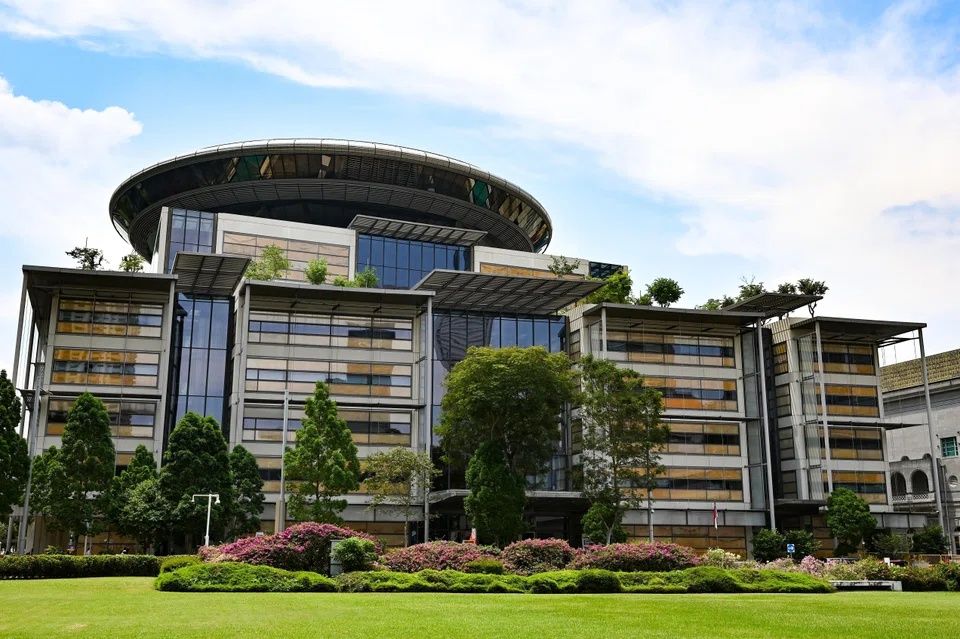
The long-running battle to recover stolen 1MDB funds has advanced significantly with Singapore's High Court rejecting Standard Chartered Bank's bid to halt legal proceedings, paving the way for a full trial on allegations that the financial institution facilitated one of the world's largest fraud schemes. Court-appointed liquidators announced the development on Wednesday, marking a pivotal moment in efforts to hold the bank accountable for its role in enabling the movement of misappropriated assets through its systems.
The stakes in this dispute are substantial. Liquidators representing three former 1MDB subsidiaries—Alsen Chance Holdings Ltd, Blackstone Asia Real Estate Partners Ltd and Brightstone Jewellery Ltd—are pursuing a claim valued at US$2.7 billion. This figure underscores the enormous sums that authorities believe were diverted through sophisticated financial schemes involving multiple banking channels and jurisdictions across the globe.
The timeline of legal manoeuvres reveals Standard Chartered's determination to avoid trial. The bank first attempted to have the case dismissed in November 2025, when the Singapore High Court rejected that application. Rather than accepting defeat, the institution appealed the decision, prompting the latest ruling that once again denied its request. Such persistence in pursuing dismissals, while understandable from a corporate risk-management perspective, also signals the bank's anxiety about what might emerge during cross-examination and document discovery.
At the heart of the allegations lies a damning accusation: Standard Chartered allegedly authorised more than 100 intra-bank transfers that systematically concealed misappropriated funds while maintaining what the liquidators characterise as willful blindness to mounting red flags. This pattern suggests something beyond mere procedural oversight—it indicates a potential institutional failure to apply appropriate scrutiny to transactions, particularly given the high-profile nature of 1MDB and the international attention its activities had already attracted by the time these transfers occurred.
The lawsuit was formally initiated in June 2025 by liquidators Angela Barkhouse and Toni Shukla, acting on behalf of the three subsidiary entities. The choice to pursue the case in Singapore reflects strategic thinking about jurisdictional advantage and the practicality of litigating against major financial institutions in a sophisticated common-law system. Singapore's courts have earned respect for their rigorous handling of complex commercial disputes, and the decision to site the proceedings there enhances the legitimacy and enforceability of any eventual judgment.
For Malaysia, this development represents continued progress in the mammoth task of recovering assets scattered across multiple continents and concealed through complex corporate structures. The 1MDB scandal fundamentally damaged Malaysia's international reputation, making asset recovery not merely a financial imperative but also a matter of national honour and justice. The liquidators' unwavering pursuit of accountability sends a message that Malaysian authorities remain committed to pursuing wrongdoers wherever they operate, even when those wrongdoers are multinational banking institutions.
The legal representation assembled for this case reflects its complexity and importance. Lead counsel Lok Vi Ming SC, partnered with Joseph Lee, Mohd Haireez, Tan Kah Wai and Koo Jin Rong of LVM Law Chambers LLC, bring substantial expertise in commercial litigation. Supporting this effort is Lim Chee Wee Partnership of Kuala Lumpur, which coordinates all 1MDB-related asset recovery efforts globally, ensuring consistency in strategy across multiple jurisdictions and legal systems.
Standard Chartered's announcement that it will seek permission to file a further appeal suggests the legal battle will continue at least into the intermediate appellate stage. This predictability—that each adverse ruling will be contested—means the final resolution of this dispute may take years. However, from the liquidators' perspective, each successful defence of their claim at successive court levels strengthens their position and increases the likelihood that a trial will eventually occur.
The implications extend beyond the specific facts of this case. Financial institutions across Southeast Asia and globally are watching how courts treat allegations of complicity in enabling cross-border fraud. If Standard Chartered is ultimately found liable for facilitating 1MDB transfers, it could establish important precedent regarding banks' obligations to detect and prevent transactions connected to known financial crimes, even when those crimes occurred in foreign jurisdictions.
For Malaysian citizens and taxpayers, whose sovereign wealth was allegedly stolen in one of the most elaborate embezzlement schemes in modern history, this court victory represents vindication of their government's determination to pursue justice relentlessly. The funds targeted for recovery ultimately belong to Malaysia's people, and each successful step in litigation brings closer the possibility of returning misappropriated wealth to productive use for national development.
The Singapore High Court's decision reflects judicial confidence that the liquidators have presented sufficient evidence to warrant full trial proceedings. This is no small matter—courts do dismiss cases at the pleading stage when they believe claims are entirely without merit. The fact that this claim survived two separate dismissal attempts suggests the allegations against Standard Chartered possess sufficient substance to warrant examination before a fact finder.
What happens next remains subject to Standard Chartered's appeal strategy and the Singapore courts' response to any further applications. Yet regardless of these procedural manoeuvres, the fundamental direction is clear: this matter will eventually proceed to trial, allowing both sides to present their evidence fully and allowing judicial scrutiny of the bank's conduct during the critical period when 1MDB funds were being diverted. For those committed to recovering stolen Malaysian assets and holding accountable the financial institutions that facilitated their theft, Tuesday's court order represented a significant step forward in a long and complex journey toward justice.

