The 1MDB scandal continues to dominate Malaysia's political and legal landscape as the country navigates an intricate web of civil litigation, criminal investigations, and governance accountability. A pivotal development emerged regarding a US$346 million suit against former First Lady Rosmah Mansor, with the full trial now scheduled to commence in June 2027, while a separate Mareva hearing—a critical procedural step determining asset freezes—is set for September 28. This drawn-out judicial process underscores the complexity of unravelling the disputed financial transactions that have occupied Malaysian courts and international attention for years.
The government has categorically refuted accusations that fugitive financier Jho Low has entered Malaysian territory for discussions related to 1MDB repayment arrangements. Such denials carry particular weight given Malaysia's extradition complications and the broader question of how authorities would manage Low's potential return. The claim itself, whether substantiated or speculative, reflects persistent speculation about backroom negotiations and possible settlements that could affect the nation's financial obligations. The Ministry of Finance has placed Malaysia's total 1MDB obligation at RM51.4 billion, a staggering figure that contextualizes the stakes involved in any litigation or settlement considerations.
Prime Minister Anwar Ibrahim also dismissed recent allegations that he had purchased a new BMW vehicle for personal use, characterizing such claims as baseless. These periodic accusations regarding ministerial conduct and personal expenditures form part of a broader pattern of scrutiny facing government leadership. Malaysian citizens and international observers closely monitor official behaviour as the nation seeks to rebuild institutional trust following years of high-profile corruption scandals. The frequency of such allegations, whether substantiated or not, creates a climate of suspicion that officials must repeatedly navigate and counter.
A separate court revelation highlighted connections between a firm linked to Muhyiddin Yassin, the former Prime Minister and current Bersatu chairman, and a RM141 million government contract. The disclosure during legal proceedings raises questions about the intersection of political influence and procurement decisions, a sensitive area in Malaysian governance. Muhyiddin's continued prominence in opposition politics adds another layer to these revelations, as the Bersatu party positions itself as a significant player in coming electoral contests, particularly the Johor state elections.
Significant personnel shifts occurred within Bersatu's leadership structure, as the Perlis Menteri Besar and an exco representative stepped down from the party's supreme council to concentrate on state-level responsibilities. This move suggests growing tension between managing national party obligations and addressing regional political demands, a challenge facing many Malaysian political organizations. The decision may also reflect broader realignments within Bersatu as the party navigates its complicated relationship with other coalition components.
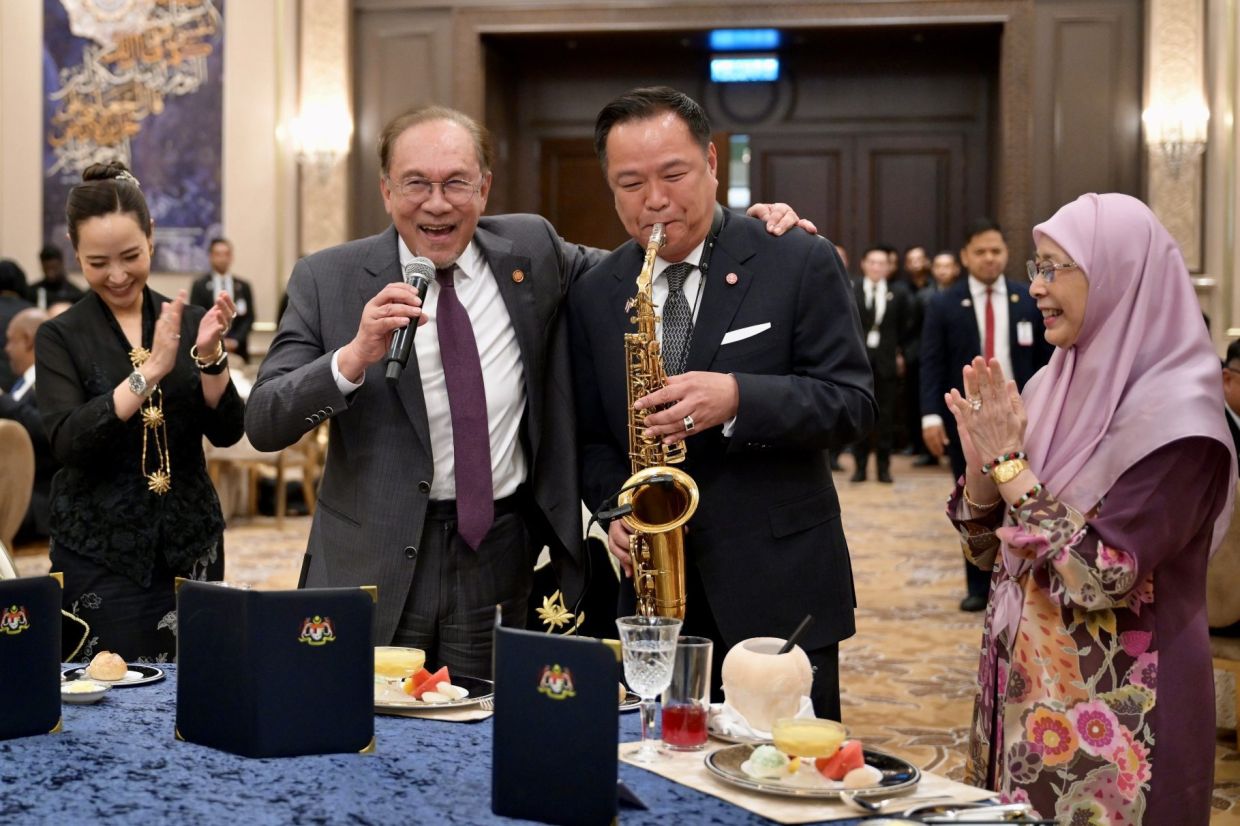
Anwar extended diplomatic courtesies to Thai Deputy Prime Minister Anutin Chanvalit regarding the Johor state elections, wishing him well in the electoral contest. This gesture, while seemingly ceremonial, underscores the interconnected nature of Malaysian and Thai political considerations, particularly in border regions. The upcoming Johor polls have emerged as a crucial test of political trajectories, with the Barisan Nasional, Pakatan Harapan, and Bersatu all positioning aggressively for advantage. Opposition figures have actively campaigned, with Onn Hafiz calling for clear messaging against Pakatan and Khairy Jamaluddin attacking what he characterizes as fear-based tactics employed by government-aligned coalitions.
Bersatu has argued that preventing the Barisan Nasional from securing a two-thirds majority remains essential for maintaining adequate parliamentary checks and balances, a reasoning that reflects both strategic positioning and genuine concerns about executive overreach. The party's assertion that nominated PAS assemblymen would be excluded if BN returns to power signals the complex calculations and mutual suspicions animating Malaysia's multi-party system. These electoral dynamics carry implications extending beyond Johor, potentially reshaping national coalitions and policy directions.
Government services demonstrated notable activity across multiple domains. The Prime Minister reiterated that the government distributes assistance equitably regardless of state political affiliation, addressing persistent claims of discriminatory resource allocation based on ruling party representation. Over 96,000 Form Six students were approved to receive Early School Aid, demonstrating ongoing investment in education despite broader fiscal pressures. Authorities confirmed that fuel supply poses no concerns through December, and a tax concession valued at ten years' duration was honoured following intervention by Dr Wee Ka Siong, highlighting how executive action can facilitate specific economic arrangements.
Law enforcement agencies pursued multiple investigations with varying implications. The Commercial Crime Investigation Department dismantled a World Cup betting operation based in Kuala Lumpur, apprehending eleven individuals during the operation. Police also arrested an individual for threatening an online influencer during a live broadcast, reflecting evolving dimensions of public order concerns in the digital age. Most notably, the Malaysian Anti-Corruption Commission identified 69 cases involving fraudulent PERKESO grant applications and indicated its intention to recommend charges, while a separate probe into elephant transfer allegations involving a former minister yielded no substantive connections to RM53 million graft allegations.
Transportation and commerce concerns received attention as well. The Public Accounts Committee urged revisions to the Spanco vehicle procurement arrangement following persistent delivery delays, indicating ongoing supply chain vulnerabilities. For the Johor elections, non-governmental organizations offered free bus transportation while KTMB doubled train capacity, facilitating voter participation. These logistical initiatives suggest genuine commitment to ensuring electoral accessibility across social strata, though questions remain about their adequacy given Malaysia's geographic diversity and transportation infrastructure challenges.
International relations showed progress regarding outstanding maritime issues. Prime Minister Anwar reported that outstanding fishery disputes between Malaysia and Thailand have been satisfactorily resolved, contributing to regional stability and bilateral cooperation. Meanwhile, the MACC's examination of elephant transfer matters concluded without establishing links to previous corruption allegations, potentially clearing a contentious chapter in recent administrative history.

