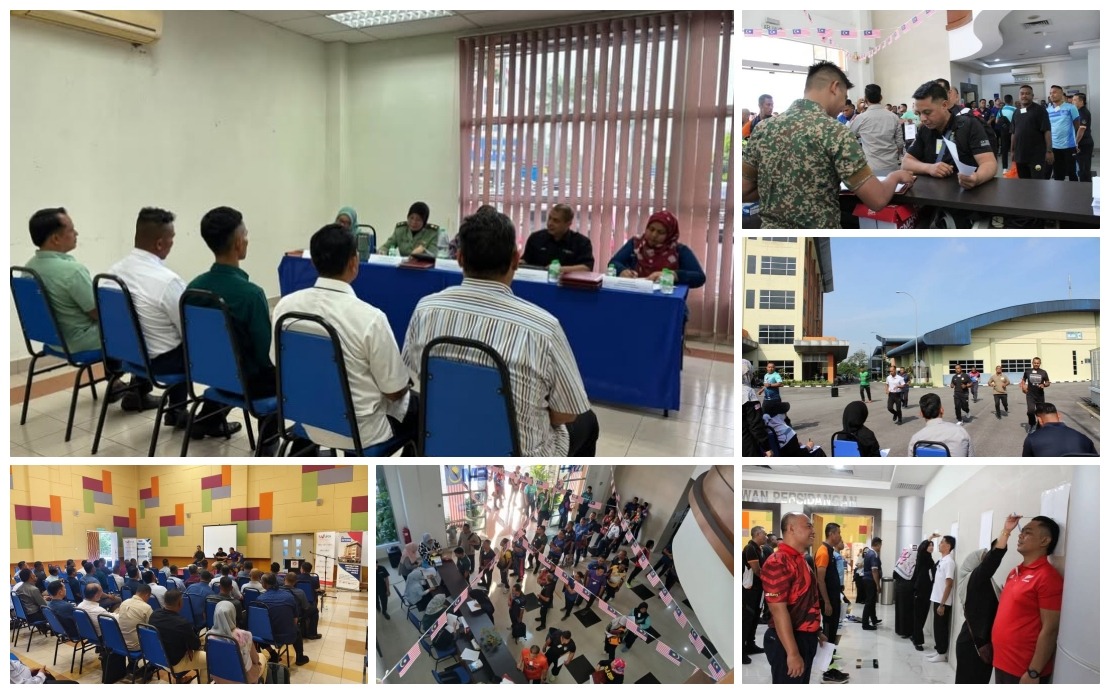
MARA has progressed with its recruitment of full-time external wardens for the MARA Junior Science Colleges (MRSM) network, with 147 former military personnel completing physical interview sessions at the MARA Food Technology Incubator in Kepong during the past week. The comprehensive selection process, which unfolded across two consecutive days, represents a significant staffing initiative aimed at strengthening residential college management across Malaysia's premier science education institutions.
According to MARA Chairman Datuk Dr Asyraf Wajdi Dusuki, the candidates who participated in last week's interviews had already survived an intensive screening pipeline. Each prospective warden had previously cleared two phases of online assessment before earning an invitation to the in-person evaluation stage. This multi-tiered approach ensures that only the most qualified candidates progress through the recruitment funnel, reflecting MARA's commitment to appointing personnel capable of managing complex residential environments.
The physical interview component required participants to demonstrate competency across three distinct assessment areas. Candidates underwent Body Mass Index screening to establish baseline health metrics, completed the Bleep Test—a standardised fitness evaluation designed to measure aerobic capacity—and participated in face-to-face interviews that allowed evaluators to assess interpersonal skills, leadership qualities, and alignment with institutional values. This holistic evaluation methodology goes beyond traditional qualification-based hiring, recognising that warden positions demand both physical resilience and emotional intelligence.
The timing of the recruitment cycle reflects operational urgency, with successful candidates scheduled to commence their roles on July 1. This coordinated start date suggests that MARA has been experiencing capacity constraints in residential management or has identified deficiencies in current warden-student ratios that new appointments will address. The July commencement allows new staff members a brief preparation window before students return for the new academic term, though the compressed timeline indicates that final selection and onboarding processes will proceed rapidly once interviews conclude.
Warden roles within the MRSM ecosystem carry responsibilities that extend well beyond conventional disciplinary functions. Datuk Dr Asyraf Wajdi emphasised that effective wardens must internalise and actively promote MARA's educational philosophy while serving as mentors and parental figures to resident students. This expanded conception of the warden position recognises that young scholars living away from home require guidance across academic, social, and personal dimensions. Wardens thus operate as intermediaries between institutional structures and individual student development, shaping the residential experience that complements formal classroom instruction.
A particularly significant dimension of the warden appointment strategy concerns institutional culture and student welfare. The MARA chairman indicated that strengthening warden capacity directly supports efforts to combat bullying, disciplinary infractions, and broader social problems within student populations. These objectives acknowledge that residential colleges represent concentrated environments where interpersonal conflicts can escalate rapidly if inadequately managed. By recruiting dedicated, trained wardens, MARA aims to establish preventive mechanisms that address behavioural issues before they compromise the educational experience or student safety.
The initiative to create what MARA characterises as safer and more conducive residential environments carries particular relevance for Malaysia's education sector. Bullying in boarding schools has attracted increasing public attention, with parents and policymakers recognising that residential institutions must implement robust pastoral care systems. By explicitly linking warden recruitment to anti-bullying objectives, MARA signals institutional commitment to addressing this persistent challenge. The quality of warden-student relationships fundamentally influences whether students feel secure and supported during vulnerable adolescent years spent away from home.
The ongoing recruitment process extends beyond the 147 candidates who recently completed interviews. An additional 162 female former military personnel are scheduled to undergo identical physical assessment procedures in the coming week, indicating that MARA is pursuing proportional gender representation within its warden workforce. This concurrent recruitment of male and female candidates suggests institutional recognition that diverse wardens better serve diverse student populations and that gender-balanced residential staff creates more inclusive institutional environments.
The recruitment strategy's emphasis on former military personnel warrants analytical attention. Veterans bring discipline, hierarchical understanding, and often experience in managing groups and crisis situations. However, military backgrounds do not automatically translate into effective pastoral care or therapeutic sensitivity toward adolescents. MARA's screening methodology—which includes face-to-face interviews alongside fitness assessments—presumably evaluates whether military-experienced candidates possess the interpersonal flexibility and emotional awareness that residential college management increasingly demands. This selection approach attempts to leverage military discipline while filtering for candidates capable of supportive, non-authoritarian engagement with students.
The appointment of full-time external wardens represents a structural choice about MARA residential management. The designation "external" suggests these individuals will reside within college facilities but may not hold concurrent teaching or administrative positions. This distinction differs from some boarding school models where faculty members combine instructional duties with residential responsibilities. Full-time dedicated wardens potentially allow for more intensive, responsive residential management, though they require proportionally higher institutional funding commitments.
For Malaysian parents and prospective MRSM students, this recruitment initiative carries tangible implications regarding residential college conditions. Enhanced warden presence and capacity should correlate with improved student safety monitoring, faster response to welfare concerns, and more consistent enforcement of residential regulations. The explicit institutional focus on creating thriving, supportive environments suggests that MARA leadership recognises competitive pressures within Malaysia's education market and the importance of residential experience quality in attracting talented students.
The broader Southeast Asian context adds relevance to MARA's initiatives. Across the region, elite residential science colleges compete for talented students and increasingly emphasise pastoral care and holistic development alongside academic achievement. Singapore's residential institutions, for instance, have substantially invested in residential staff quality and training. MARA's warden recruitment programme reflects comparable regional trends toward professionalising residential management and recognising that boarding school excellence depends on staffing quality across all institutional functions. Success in this recruitment cycle may position MARA favourably within regional competition for students and institutional reputation.

